
Corporate events help companies communicate with customers, employees, partners and industry professionals. Alongside the presentations and networking, companies usually offer merchandise that attendees can use after the event. Reusable products are a viable option because they last longer and reduce the volume of disposable items.
Companies in Singapore can showcase their brand at conferences, gatherings, exhibitions, seminars and other corporate events. Products such as tote bags, drinkware and office supplies can leave a lasting impression when they are chosen to suit the needs of event attendees.
Why Choose Reusable Merchandise for Corporate Events?
Reusable merchandise combines daily usefulness with brand recognition. Businesses do not have to offer items people can easily discard and can opt instead for items that fit naturally into daily life. For a wider look at how this works across a whole event programme, see this guide to reusable branded merchandise.
A reusable product can be taken to the office, home, meetings and out in town. It may also introduce the brand to people beyond the original recipient when it carries a company logo.
Sustainability can also be achieved through these products. Companies can be more considerate by buying long-lasting products, avoiding unnecessary wrapping and ordering a quantity that matches anticipated demand. The National Environment Agency makes the same point in reverse, noting that disposables carry an environmental cost through their production, transport and disposal.
Not all the best merchandise is high-priced. The best product is one that has a real purpose, suits the audience and reflects the organisation’s identity.
Reusable Tote Bags for Everyday Activities
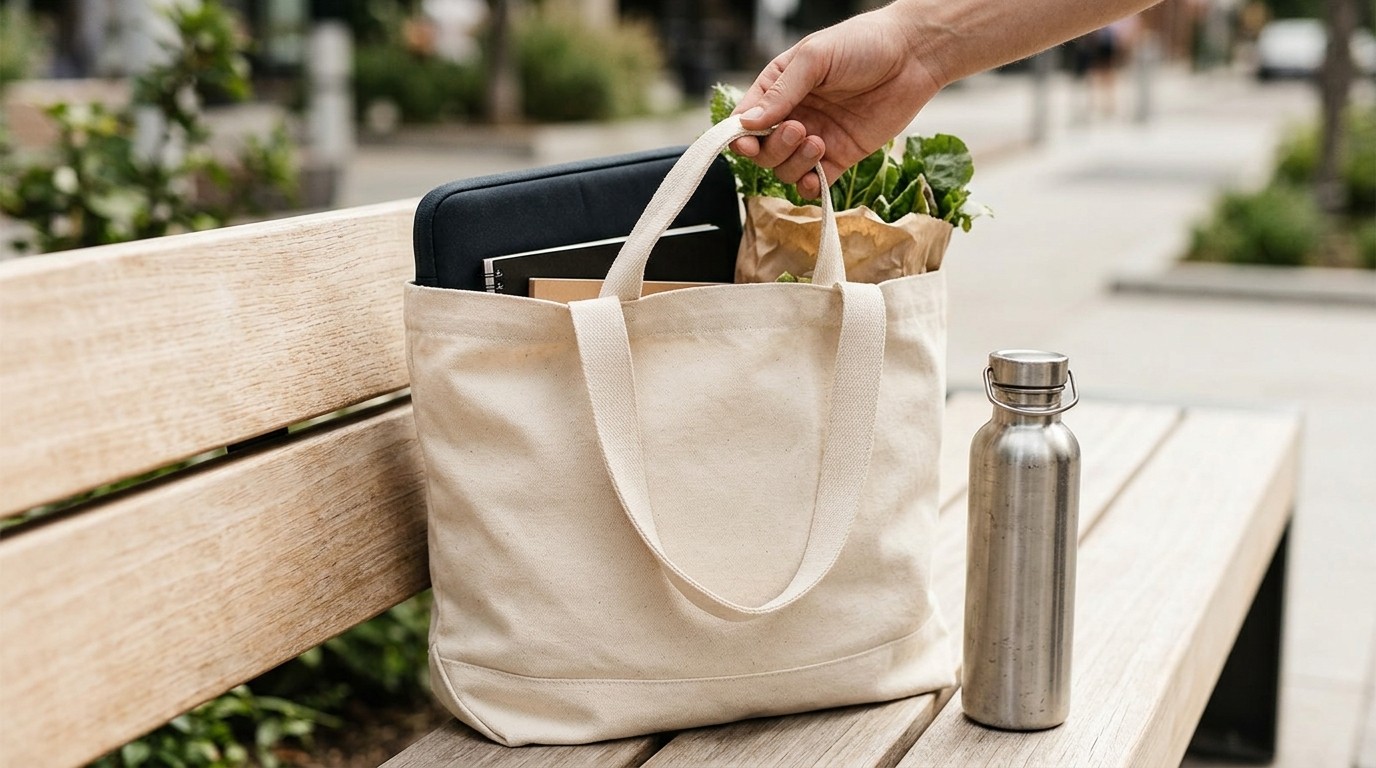
Tote bags are versatile for conferences, trade shows, seminars and customer appreciation programme gifts. Attendees can use them to carry documents, personal items, groceries or daily needs.
Businesses can explore different custom tote bags to find styles that match their event requirements. Before deciding on a design, consider the size of the bag, the material used, the length of the handle, and the carrying capacity.
A lightweight tote bag works well for conferences where guests need to carry brochures and small gifts. Larger bags are more useful for shopping, commuting or everyday activities.
Keep the branding simple. The bag can be appealing without overloading the graphics: a well-placed logo, short text or recognisable graphic is enough. Solid colours are appropriate in a work environment, whereas more vibrant colours can make a campaign stand out.
Reusable Drinkware for Work and Travel
Water bottles and reusable cups can also be handy items to give employees, conference guests and business partners. Recipients can use them at their desks, on the commute or while travelling.
Select drinkware based on how people will use it. A lightweight bottle may suit active participants better, whereas a reusable cup may appeal to office workers who drink coffee or tea regularly.
Test the capacity, material, lid design and cleaning requirements before ordering. Products that are awkward to carry or clean may be used less often.
Branding should not be more conspicuous than the product itself. Brand recognition can be enhanced by a small logo and an appropriate colour combination, while leaving the item suitable for daily use.
Practical Office Accessories
At trainings, seminars and workshops, office accessories can be especially effective. Notebooks, document folders, stationery cases and desk organisers help attendees manage their daily work.
Choose products that suit the purpose of the event. Notebooks are useful during workshops, while document folders help conference attendees organise printed materials.
For employee events, think about items that supplement what staff already have. An inexpensive yet long-lasting item can be more valuable than a large gift box of products with little usefulness.
Reusable Lunch and Travel Accessories
Food containers, reusable cutlery, travel organisers and lunch bags are other strong merchandising options. These products can suit employee wellness initiatives, corporate get-togethers and charitable events.
Check product specifications and care instructions before ordering food-related items. Make sure recipients know whether the products are suitable for hot or cold food and whether they are dishwasher-safe and reusable.
Conference attendees may also be interested in travel accessories as they prepare for their trip. Select small, lightweight items that are easy to transport and to use after the event. Where one event needs several categories at once, ordering from a single supplier often keeps things simpler. Singapore-based corporate merchandise suppliers such as CUSTA cover tote bags, drinkware and office accessories.
Match Merchandise to the Event
The best merchandise varies with the audience, event format and budget.
Conferences and Trade Shows
Select light items that attendees can carry between sessions and exhibition booths. Tote bags, notebooks and reusable bottles can come in handy. Make the branding clear and recognisable.
Employee Training and Workshops
Focus on products that support participation and daily work. Learning material can be supplemented by notebooks, drinkware and stationery organisers that can be used after the learning session.
Client Appreciation Events
Select considerate gifts appropriate to the business relationship. The quality of products, their presentation and usability in everyday life are more important than the number of products in a pack.
Outdoor and Community Events
Focus on portability, comfort and easy maintenance. Water bottles, reusable bags and useful accessories work well for activities that take attendees outside their offices.
Plan Your Budget and Quantities
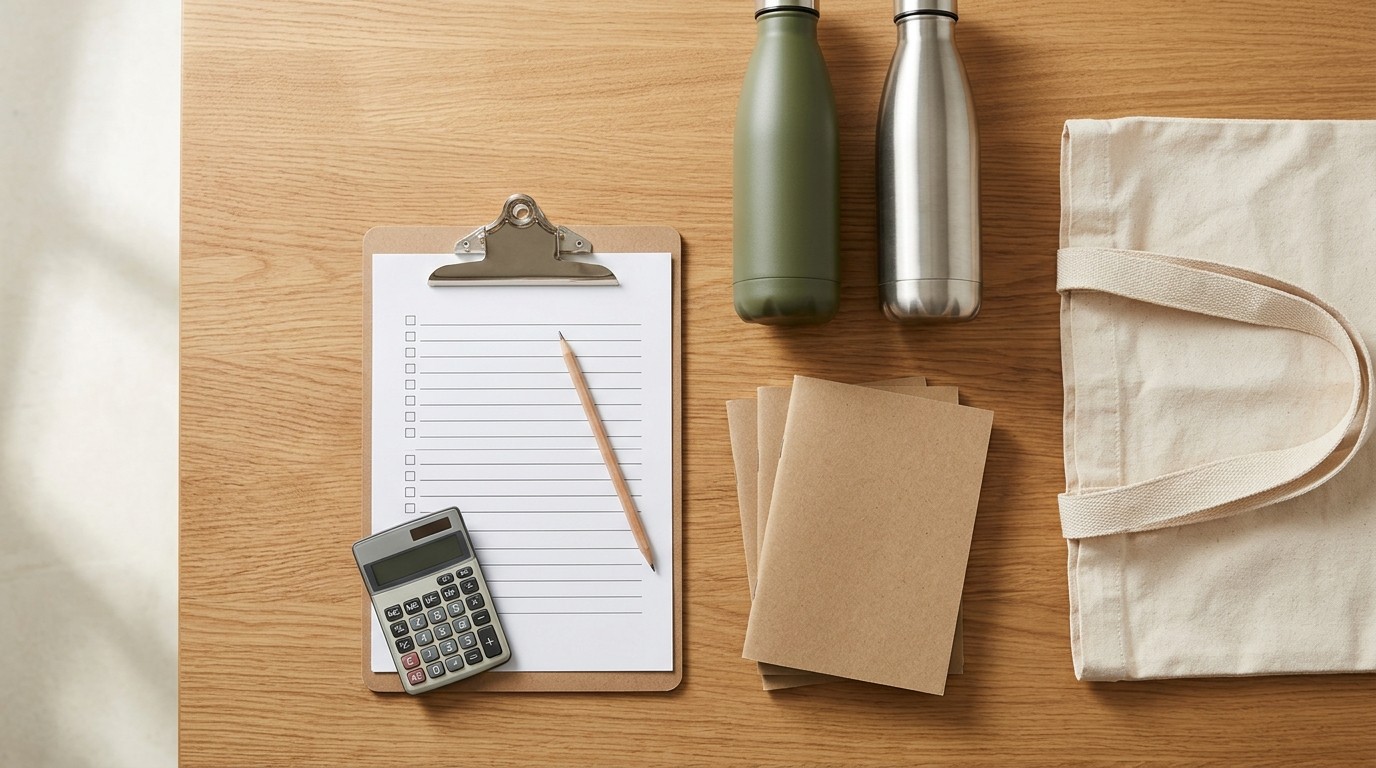
Begin by establishing a budget and estimating the number of attendees. Determine whether merchandise will be distributed to all or reserved for speakers, clients, employees or special guests.
Estimate demand using registration numbers and past attendance at events. Limiting the number of items can create shortages, while ordering more may result in wastage.
Build printing, packaging, delivery and design preparation into your calculations. These extra costs may affect the final budget.
Book production in advance, particularly for major events or made-to-order items that require approval. Review design, quantity and delivery specifications before approving production.
Conclusion
Branded merchandise can be used to enhance corporate events by providing products that attendees can use long after the event is over. Tote bags, drinkware, office accessories and travel items each offer practical benefits to different audiences.
Emphasise functionality, longevity, considerate branding and sensible order quantities. Through planning, companies can choose the merchandise that best reflects their brand and that genuinely benefits employees, customers and event attendees.

