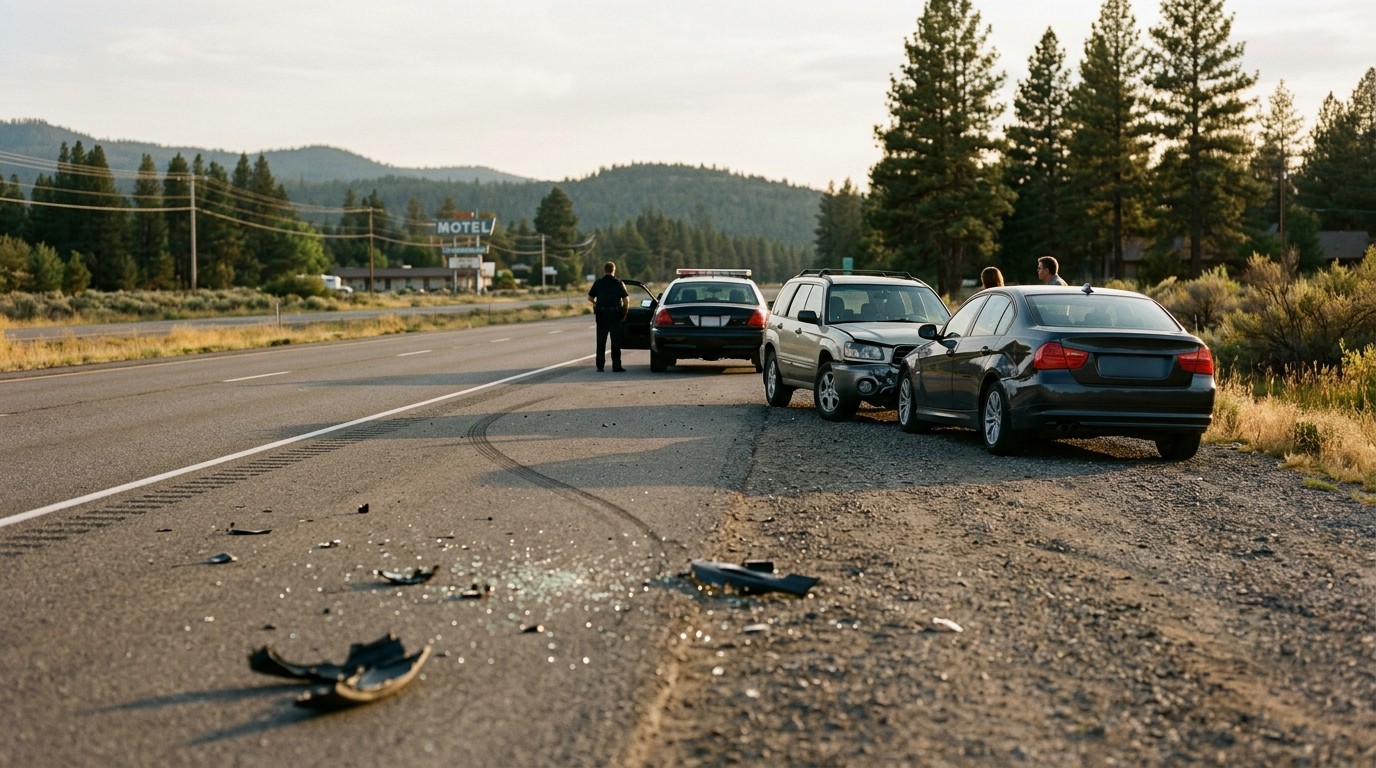
If you’re in a car accident while on vacation, you may face injuries, insurance claims, and unexpected travel expenses. You generally have the right to seek compensation when another driver causes your injuries, but filing a claim away from home can complicate things.
Imagine being halfway through your weeklong vacation when another driver runs a red light or stop sign and crashes into your vehicle. Suddenly, you’re dealing with a damaged car in another state or unfamiliar city, and you might not even know where the closest hospital is. Learn how to handle this situation to avoid mistakes that make an already stressful experience even worse.
Handling the Immediate Aftermath of an Out-of-Town Accident
After any collision, your first priority is everyone’s physical safety. Check yourself and your passengers for injuries before assessing your vehicle’s damage.
When someone needs emergency assistance, call 911. Follow all local accident-reporting requirements. If your car is still operational, move it out of traffic to prevent another collision; otherwise, find a safe place to wait for help.
You may be tempted to skip medical treatment if your injuries seem minor or you feel okay, particularly when you’ve already paid for vacation activities. This can be a potentially costly mistake. Some injuries don’t become obvious until later, such as certain neck and back complications. Visit a nearby emergency room or urgent care facility to identify problems before they worsen.
Once you’ve addressed everyone’s immediate medical needs, start gathering accident information. If you can do so safely, photograph all vehicles involved before they move them. Get the other driver’s insurance information and contact details, as well as the names of any witnesses. Since returning to the accident scene might be impossible after your vacation, document as much as you reasonably can while you’re still there.
Your insurance company needs to hear about the collision promptly. Explain what happened without guessing about details you’re unsure of, and always avoid prematurely accepting responsibility. If you’re driving a rental car, notify the rental agency as outlined in your agreement. Some companies have specific reporting procedures, and not following them could create additional complications.
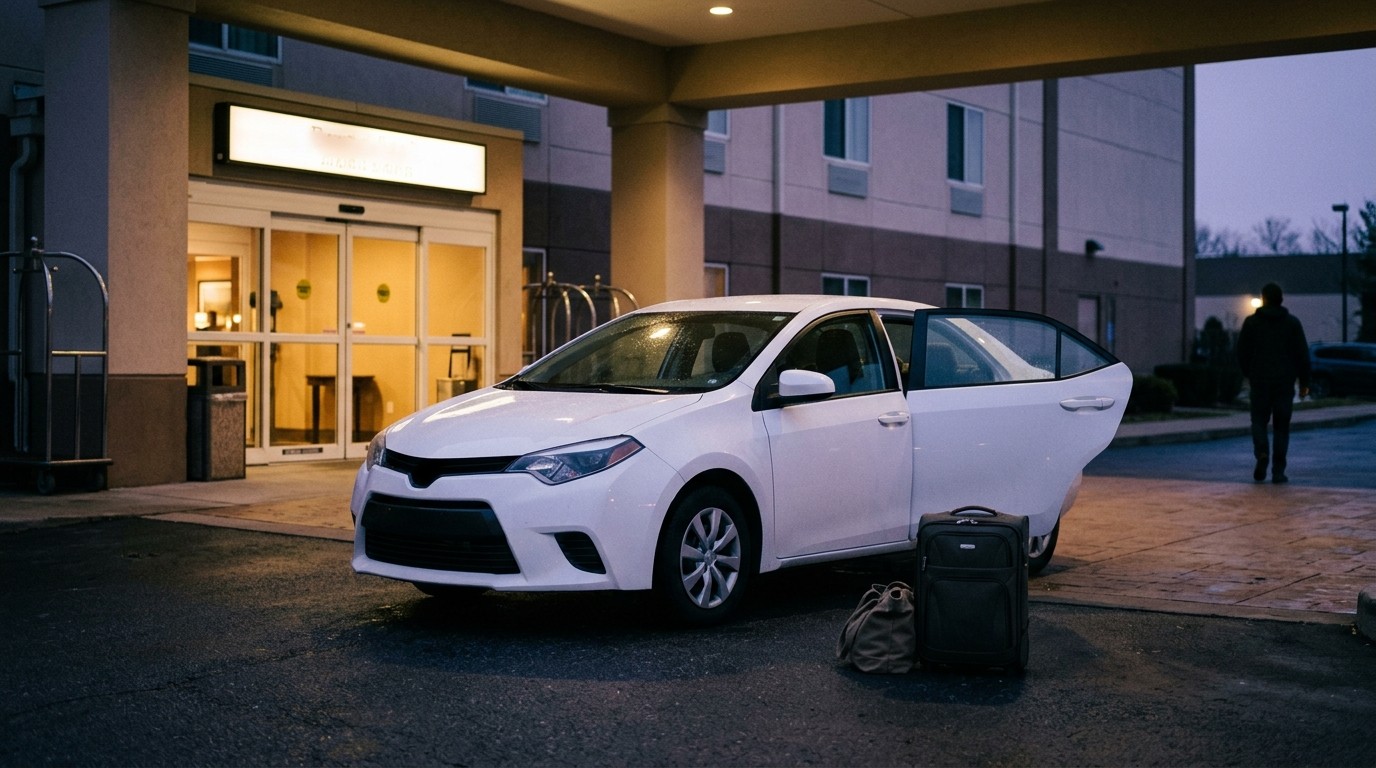
Then, there’s the issue of continuing your vacation. What happens when your car is undrivable and your hotel is 50 miles away? You might need another rental, an unexpected overnight stay, or even replacement transportation home. Save any and all receipts for reasonable expenses stemming from the accident. Depending on your coverage and the situation, you may be able to have some of those costs reimbursed later.
Why State Laws and Insurance Rules Can Complicate Your Claim
Crossing state lines can change the legal rules that apply to accidents. These differences can affect how you seek compensation and which insurance company covers certain expenses.
For instance, some states use no-fault insurance systems that typically require you to cover certain medical expenses through personal injury protection benefits. No-fault systems work differently from fault-based liability claims, which other states primarily rely on.
You also need to consider how different states handle shared fault. In some states, you can recover reduced damages, even if you’re partially responsible for a collision. Other states have stricter rules that can prevent recovery under certain circumstances. Filing deadlines are also variable. A car accident lawyer familiar with the applicable laws like those at Bey & Associates can explain how these differences influence your options.

Fortunately, personal auto insurance generally provides protection when you’re driving in a different state. That said, the details vary by each policy.
Some policies adjust their liability coverage to meet another state’s minimum requirements. However, don’t assume that every benefit works the same way in every state. Medical payments coverage, deductibles, and other provisions all warrant a closer look.
Rental vehicles introduce a whole new set of questions. Imagine a scenario where another driver damages your rental car, and the rental company charges you for repairs before the insurance companies settle the claim. You might face an immediate financial obligation, even though you didn’t personally cause the crash. Personal insurance, optional rental protection, and credit card benefits may cover different losses. Review these arrangements to clarify who pays what.
Which state’s laws govern a vacation accident can get complicated. Your home address might not matter. If the collision involves an out-of-state driver or a rental vehicle registered elsewhere, sorting out a claim with out-of-state drivers takes on a different set of questions, from which policy responds first to where a dispute would be heard.
Dealing With Injuries and Expenses After Your Vacation Ends
Getting home can be a relief. However, it doesn’t automatically resolve the issues your accident caused.
You might need more medical treatment, especially if your injuries require specialist appointments or physical therapy. Get copies from any of the out-of-state facilities that treated you. Share them with your regular healthcare providers to help maintain consistent care and document your recovery.
Repairing your vehicle can be one thing; missing several weeks of work can create even bigger problems. You might also lose prepaid hotel reservations or spend extra money changing flights.
Depending on the circumstances and applicable laws, compensation might include eligible medical expenses, lost earnings, and other accident-related losses. Some claims may even permit recovery for pain and suffering.
Insurance negotiations can be particularly inconvenient for accidents that happened hundreds or thousands of miles away. Adjusters might question your treatment expenses or request information from a multitude of medical providers. If you’re unsure whether to file a lawsuit, a car accident lawyer can help you review the evidence and decide how to proceed.
Moving Forward After an Accident Far From Home
Getting injured during your vacation can create challenges you may never face after a collision closer to home. You may find yourself navigating another state’s legal system, arranging medical care, and juggling unexpected travel costs at the same time.
The basic principles of personal injury claims are similar in each state, but insurance requirements and liability rules vary significantly. Protect your interests by taking the right steps. Document the accident. Obtain appropriate treatment. Keep track of your expenses. Where the collision happened can impact how your claim proceeds, but being away from home doesn’t automatically mean you can’t seek compensation.