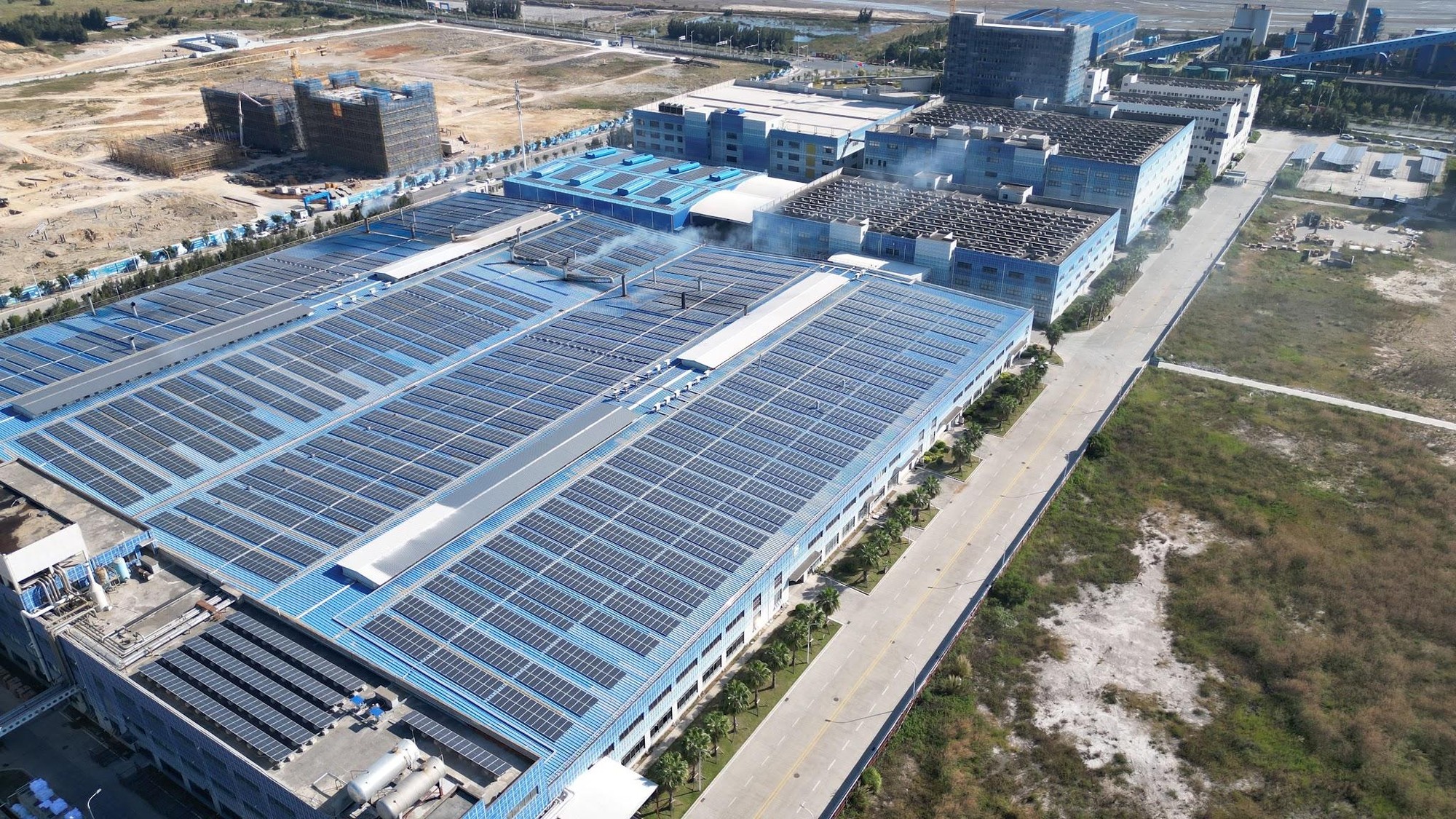
Your distribution center commands hundreds of thousands of square feet under a single roof, and running automated sorting lines alongside industrial refrigeration drains massive amounts of grid power every single hour. You look at that sprawling roof footprint and see an obvious platform to harvest clean power right where your facility consumes it.
Coordinating roof membrane restoration with photovoltaic installation solves two massive capital challenges at once. You protect your structural envelope while generating on-site electricity that slashes operating costs across your supply chain.
Why Do Facilities Pair Roof Replacements With Clean Energy?
Roof membranes on fulfillment centers commonly carry warranties in the region of 15 to 20 years, although terms vary by manufacturer and system, whereas modern photovoltaic modules typically keep producing for 25 years or more. Installing solar racks on a 12-year-old single-ply membrane creates an expensive operational headache down the road. Research published by CREDA Global highlights that solar panels typically last longer than 20 years, making it wise to replace aging membranes before mounting an array.
You need an accurate baseline of your building envelope before drafting any energy transition timeline. Investing in commercial clean power infrastructure delivers the greatest financial return when you coordinate structural reinforcements alongside equipment procurement.
When you install the systems together, you align their lifecycles into a single project plan. Roofing manufacturers often offer warranties extending up to 25 years, some of them non-prorated, when certified roofing contractors oversee the mechanical attachment points, though the terms depend on the membrane system and the installer’s accreditation.
How Do You Assess Structural Weight Capacity and Dead Loads?
Commercial warehouses often feature lightweight steel trusses and wide purlin spans engineered with minimal excess capacity. Adding hundreds of crystalline silicon modules, racking systems, concrete ballast blocks, and heavy electrical conduit introduces substantial dead loads across your deck.
Solar Love’s warehouse guide notes that older warehouse roofs may need strengthening before they can safely carry an array, and that a chartered engineer’s appraisal is the most common reason a system is resized. You must retain a licensed structural engineer to calculate whether your roof joists can carry the added dead load of modules, racking and ballast under continuous environmental stress, and to confirm the allowable load bay by bay rather than as a single figure for the whole roof.
Early structural assessments help your team identify localized weaknesses across individual bays. By pinpointing undersized purlins or sagging decking ahead of time, you can schedule targeted reinforcements without pausing your fulfillment schedules.
Calculating Snow Drifts and Ballast Distributions
Engineers must evaluate combined loading scenarios that account for localized snow drifts and wind uplift along the roof perimeter. Preparing your facility for commercial solar for warehouses requires structural modeling that balances dead weight against weather variables. Ballasted arrays avoid membrane penetrations, but they concentrate heavy ballast pavers directly above joist connections. Mechanically attached systems reduce ballast weight, though they require structural fasteners that anchor straight into the decking. Your engineering team must balance fastener density against your membrane’s waterproof integrity.
Before signing off on installation drawings, verify the following primary structural components with your engineering contractor:
- Inspect joist connections: Verify that truss gusset plates and deck welds show zero fatigue or rust.
- Evaluate uplift zones: Calculate corner and edge wind pressure thresholds to size ballast blocks correctly.
- Reinforce weak bays: Add sister beams or steel plates beneath designated high-density inverter zones.
- Confirm slope integrity: Check that added equipment weight will not cause deck sagging that traps water.
What Drainage Clearances Keep Rooftop HVAC Units Safe?
Massive industrial properties rely on dozens of rooftop HVAC units, make-up air systems, and exhaust fans to regulate internal climate. Many mechanical units require frequent maintenance, filter swaps, and compressor overhauls throughout the year.
Placing solar arrays too close to mechanical equipment restricts airflow and limits technician access. You must maintain clear access pathways around each mechanical curb so facility maintenance crews can maneuver heavy service tools without stepping on glass panels.
Designing Overflow Waterways and Equipment Buffers
Rooftop HVAC condensation lines and industrial scuppers must shed stormwater rapidly during heavy downpours. Dense rows of tilted photovoltaic racks can act like unintended dams if you position them perpendicular to the natural roof slope.
Directing runoff through unobstructed drainage corridors prevents standing water from degrading the roof membrane beneath your array. As a rule of thumb, designers keep at least 4 feet of clearance around roof drains and scuppers so debris can be cleared during seasonal inspections.
Planning dedicated walk pads around high-traffic mechanical zones protects the surrounding roof surface from foot punctures. Durable walkways guide maintenance technicians safely between units without risking damage to sensitive module wiring.
How Do You Maintain Loading Dock Continuity During Installation?
A successful distribution center thrives on relentless throughput, handling hundreds of tractor-trailers across active bays each shift. Halting shipping operations to stage heavy cranes or store delivery crates disrupts your logistics schedule.
Professional solar and roofing contractors build phased mobilization plans that segregate construction traffic from active yard routes. Securing laydown yards at the far perimeter of your property keeps flatbed trucks and lifting cranes away from your busy trailer staging zones.
Clear communication between your logistics directors and construction foremen maintains predictable yard circulation. Daily shift briefings help transport dispatchers redirect incoming carriers away from active rigging sectors.
Managing Crane Lifts Around Fleet Movements
Hoisting heavy pallets of modules and roofing insulation requires mobile cranes with substantial swing radii. Scheduling major hoisting operations during low-volume overnight hours or weekend shifts prevents dock congestion.
Dedicated safety barriers and spotters protect transport drivers while workers move materials from the ground to the parapet. Clear yard signage keeps third-party freight carriers away from temporary lifting drop zones.
Yard Staging and Safety Protocols
Implement the following tactical measures to keep truck movements completely unimpeded throughout the project:
- Isolate material delivery: Route supply flatbeds through secondary perimeter gates away from main dock aprons.
- Schedule off-peak lifts: Lift heavy pallets to the roof before the morning delivery rush begins.
- Establish safety perimeters: Erect temporary barricades around crane outriggers and electrical ground vaults.
- Maintain clear paths: Keep fire lanes and emergency dock doors completely open at all times.
Navigating Regional Power Tariffs and Demand Charges
Industrial electric utility bills consist of two primary parts: volumetric consumption charges and heavy peak demand fees. Distribution facilities with high-speed conveyors, automated retrieval systems, and commercial cold storage run high continuous power demands.
Generating solar electricity during peak daytime hours directly lowers the expensive demand spikes that utility providers penalize so heavily. Pairing your array with smart energy management software allows your warehouse to consume solar output during the highest price tiers.
Peak shaving delivers dramatic utility bill savings across regions with steep time-of-use rate multipliers, and it pairs naturally with broader efforts to improve energy efficiency in commercial buildings. Lowering your baseline demand charge creates compounding savings across every quarter of your fiscal year.
Streamlining Interconnection and Grid Approvals
Connecting a multi-megawatt rooftop system to the regional utility grid requires thorough engineering reviews and interconnection studies. Utility providers evaluate local substation capacity to determine whether your clean power export triggers grid infrastructure upgrades.
Submitting complete electrical one-line diagrams and structural certifications early prevents lengthy regulatory delays. Working closely with your regional utility engineer helps your team clear technical hurdles before hardware arrives on your roof.
Securing your net metering or clean power export agreements early protects your project payback model. That proactive coordination helps ensure that your facility can energize the system immediately following final municipal electrical inspections.

Evaluating roof condition before finalizing module layouts protects your building and preserves manufacturer warranties. Combining structural restoration with solar installation protects your physical assets while delivering predictable energy savings for decades. When you align your capital maintenance with clean energy goals, your distribution center gains resilience, lower operating overhead, and an enduring platform for sustainable logistics growth.