
A frightening incident can stay with a person long after the danger has passed. A noise, a place, or an image can bring the event back and trigger tension, panic, or unwanted thoughts. Eye movement desensitization and reprocessing (EMDR) is a psychotherapy used to treat people with post-traumatic stress disorder (PTSD). It is also being studied as a treatment for anxiety and other mental health conditions. Understanding how the therapy works helps people make informed decisions about their care.
What Happens During EMDR?
EMDR is made up of several phases, from taking a history through to ending treatment and follow-up evaluation. The pace is set by the client’s needs rather than a fixed schedule. The stages below outline the general approach to assessment, memory processing, and follow-up.
Assessment and Preparation
The therapist first discusses the person’s history, current symptoms, and treatment goals. They also explain the procedure and teach coping skills before any distressing memories are addressed. Those considering EMDR therapy in North Bay can ask about this preparation, as well as the clinician’s professional registration and EMDR training.
Choosing a Memory to Work On
The therapist helps the client bring a specific memory to mind, along with the negative beliefs attached to it and any accompanying emotions or physical sensations. The therapist also helps the client identify a more adaptive belief about the memory, such as recognizing that the danger had passed.
Using Bilateral Stimulation
While briefly holding the memory in mind, the person either moves their eyes from side to side or up and down, or follows alternating taps or tones provided by the therapist. This is known as bilateral stimulation. The therapist pauses after each set to ask what the person noticed. The person remains awake and alert throughout and can say at any point if they want to stop.
Checking Feelings and Bodily Reactions
As processing continues, the therapist guides the person to focus on the positive belief and to reinforce it through action. The therapist also asks whether any other physical discomfort remains attached to the memory.

Processing unfolds differently for everyone, and more than one session may be needed to work through a single memory.
Closing Sessions and Reviewing Progress
At the end of each session, the therapist works with the person to make sure they feel settled and are able to manage any disturbing thoughts or feelings that arise between sessions. At the start of the next session, the therapist reviews any changes and works with the person to decide what to do next.
How Might Memory Processing Change?
EMDR aims to help people recover from emotionally disturbing memories of unpleasant events. One hypothesis is that the therapy helps process memories of traumatic experiences by linking them with less disturbing memories.
An alternative hypothesis rests on the concept of working memory. Recalling a distressing memory while performing eye movements ties up working memory resources, and this reduces the memory’s vividness and intensity.
How EMDR works, and whether bilateral stimulation is essential to its effect, remains unresolved and requires further research.
What Does Research Say About PTSD?
Most of the evidence supporting EMDR concerns PTSD. The World Health Organization’s guidance, updated in 2023, lists EMDR among the psychological interventions that should be considered for adults with PTSD. The 2023 US Department of Veterans Affairs and Department of Defense guideline also recommends it, alongside cognitive processing therapy and prolonged exposure.
All three are psychotherapies that depend on a clinician’s expertise, and their shared success does not in itself show that eye movements are the active ingredient or are therapeutically effective. EMDR is a treatment that has been found to be beneficial. At the same time, a patient’s preferences and circumstances matter when choosing the most appropriate method.
What About Anxiety?
The evidence for EMDR in anxiety is growing, though it is far less conclusive than the evidence for PTSD. A 2020 meta-analysis published in the Journal of Psychiatric Research pooled 17 randomized controlled trials involving 647 participants.
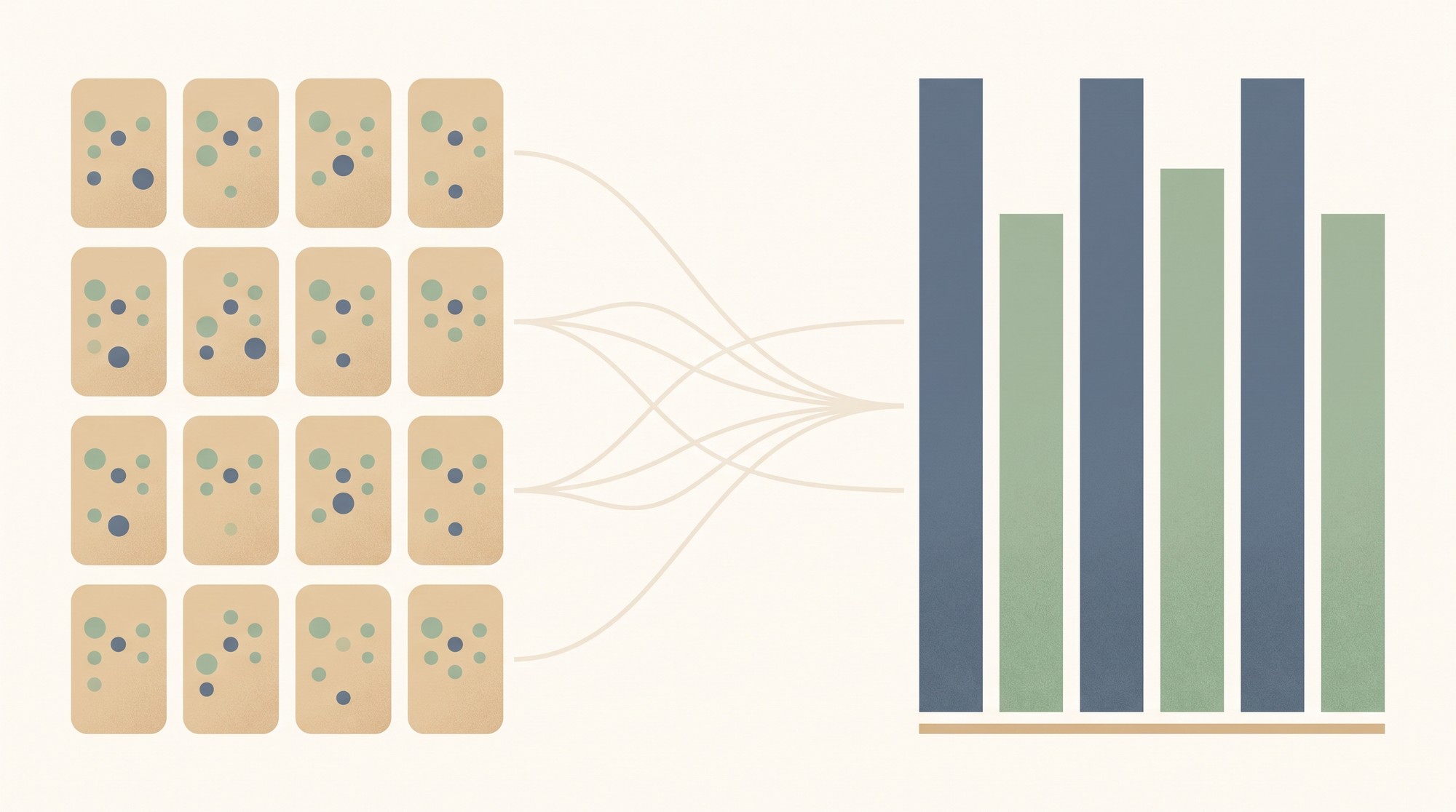
Across the included studies, EMDR was associated with significantly reduced anxiety symptoms compared with control conditions. The researchers noted that further research is needed to explore EMDR’s longer-term efficacy for anxiety disorders.
Much of the anxiety studied was tied to traumatic memories rather than to a standalone anxiety diagnosis. The results therefore should not be generalized to anxiety disorders unrelated to trauma or PTSD. That distinction matters, because EMDR is also used for problems well beyond trauma, as an overview of the benefits of EMDR therapy shows.
Considering Treatment
Talk to a qualified mental health professional about your symptoms and treatment options. Ask about the evidence for each approach, the alternatives, and how progress will be measured. Working through painful memories can be unsettling, so it helps to prepare, pace yourself, and seek support when needed. The goal is to reduce the emotional charge the memory carries. Healing takes time for everyone, and treatment should be shaped around individual needs.


