
Living with chronic back pain changes how you move through your day. When every step brings sharp discomfort, simple tasks like tying your shoes or lifting a grocery bag feel overwhelming. As biomechanical engineering and surgical imaging advance, clinicians are perfecting permanent stabilization methods to treat severe vertebral misalignment, degenerative instability, and chronic neuropathic trauma. Modern surgical solutions offer a reliable path away from constant pain and toward a restored sense of physical freedom.
Why Do Structural Problems Require Definitive Bony Stabilization?
Persistent structural instability affects the spine when everyday wear or sudden trauma compromises the vertebrae. Your body relies on a delicate balance of bones, discs, and ligaments to maintain posture and protect the spinal cord, and much of that wear accumulates through everyday activities that harm the spine. When mechanical integrity fails, chronic pain sets in and disrupts your usual daily routine.
Conservative treatments like physical therapy and medication often help manage early spinal discomfort, but they fall short when structural integrity breaks down completely. When vertebrae slip out of alignment or degenerate to the point of nerve compression, non-surgical methods cannot restore the necessary physical support. Permanent stabilization steps in to halt further progression and protect delicate nerve pathways from ongoing damage.
Deciding to move forward with surgery involves looking closely at your specific pain patterns and diagnostic imaging. Surgeons evaluate how much your daily movement suffers and whether your spine can maintain load-bearing tasks on its own. When mechanical instability threatens your baseline function, locking the affected segments together provides the permanent foundation your body needs to heal.
How Do Modern Screw-Rod Fixation Techniques Work?
Surgeons rely on advanced hardware to immobilize damaged spinal segments and create a rigid framework during the healing phase. Titanium screws anchor securely into the pedicles of the vertebrae, acting as sturdy attachment points for contoured metal rods. This internal scaffolding holds your spine in the correct anatomical alignment while your body goes to work fusing the bones.
- Stabilize damaged vertebrae: Surgeons place titanium instrumentation to lock the painful motion segments securely in place.
- Restore natural alignment: Metal rods correct structural curves and relieve dangerous pressure points on nearby nerves.
- Promote bone fusion: Biologic grafting materials encourage natural bone growth across the instrumented space over time.
What Role Does Biologic Bone Grafting Play in Healing?
Hardware alone cannot achieve permanent stability, because living bone must bridge the gap to create a solid, unified structure. Surgeons pack biologic bone graft material around the instrumented vertebrae to jump-start this natural fusion process. Your body accepts the material and remodels it into strong, continuous bone over the coming months.
Clinical approaches that enhance bone density and support structural integration significantly improve patient outcomes during recovery. According to clinical data published on PubMed, perioperative therapies that raise vertebral bone density help secure the hardware more effectively.
- Encourage cellular growth: Graft materials stimulate osteoblasts to build new, living bone tissue across the fused segments.
- Enhance structural density: Advanced perioperative therapies improve local bone quality so the hardware holds more firmly.
- Prevent future shifting: Successful biological integration locks the vertebrae permanently, stopping abnormal movement at the source.
How Do Retrospective Patient Reviews Shape Clinical Expectations?
Evaluating historical data helps medical teams refine how they approach long-term recovery and post-operative milestones for patients living with chronic pain. A retrospective analysis published in the CME Journal of Geriatric Medicine examined clinical trajectories for 45 patients who underwent stabilization procedures between 2024 and 2025. Radiological fusion was successful in 84.4% of cases, while 22.2% of patients experienced post-operative complications and 11.1% required further surgery.
Looking closely at past patient outcomes allows clinicians to set realistic expectations for your personal rehabilitation journey. Reviewing recovery timelines also gives an orthopedic team valuable insight into how factors such as age, existing health conditions, and the number of levels fused influence overall surgical success.
What Steps Support Long-Term Functional Recovery?
Recovering from major vertebral stabilization demands patience, consistency, and adherence to a carefully planned rehabilitation regimen. Bone healing takes months, and patients are usually encouraged to start walking within a day of surgery to promote healthy circulation and prevent stiffness. Exploring options like spinal fusion surgery provides a clear framework for discussing definitive procedural solutions with your orthopedic specialist, and working alongside physical therapists helps you protect your surgical site while gradually rebuilding foundational core strength.
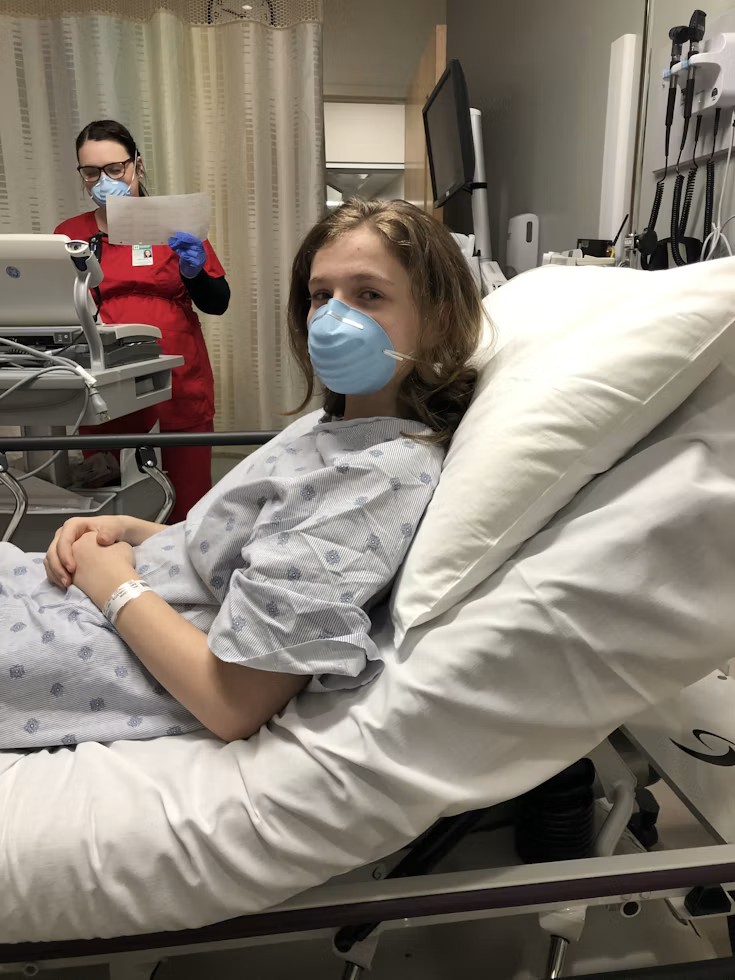
Preparation also begins well before the operation itself. Stopping smoking, improving nutrition, and strengthening your core in the weeks beforehand give your bone graft the best possible environment in which to mature. After surgery, you follow a structured therapy plan that protects the new fusion while rebuilding the muscles around it.
- Prioritize early mobility: Short, frequent strolls boost blood flow and support your early rehabilitation.
- Respect lifting restrictions: Avoiding heavy loads protects the maturing bone graft from excessive mechanical stress.
- Commit to physical therapy: Targeted exercises strengthen the muscles that support your newly stabilized spine.
Understanding these surgical alternatives, and the recovery work they demand, makes it easier to take control of your long-term health. By committing to post-operative milestones and the lifestyle adaptations required for full bone consolidation, you lay the groundwork for a mobile, active future free from the constant burden of mechanical back pain.


