
Sponsored by FavoriteBikes.
When comparing electric bikes, top speed is one of the easiest specifications to notice. It is a single number, usually displayed beside motor power and estimated range. Yet it tells you surprisingly little about whether a bike will suit your commute, shopping trips, or weekend errands.
A good electric bike buying guide starts with the journey rather than the highest number on a specification sheet. Understanding how assistance works and what affects comfort, control, and battery use makes it easier to compare bikes on practical terms.
Understand What the Speed Figure Means
An assistance cutoff is the speed at which the motor stops helping. It is not necessarily the highest speed the bicycle can physically reach through pedalling or gravity. Nor is it the average speed you should expect over a complete trip.
Before comparing models, check whether the advertised figure describes pedal assistance, throttle operation, or performance intended for off-road use. These are different capabilities, and they may carry different legal requirements.
Rules also depend on location. A bike’s marketing label does not establish where it may be ridden. Check the current requirements for your country, state, or province, along with any local restrictions on roads, paths, and trails.
The wording varies between jurisdictions, but the best-known frameworks share a similar structure. In the United States, Class 1 and Class 2 e-bikes stop assisting at 20 mph (32 km/h), while Class 3 models assist up to 28 mph (45 km/h). In the European Union and the United Kingdom, the cutoff is 25 km/h (15.5 mph). The U.S. Bureau of Land Management publishes the official class definitions in full.
Plan Around the Route, Not Just the Distance
Two commutes of the same length can place very different demands on a bike. One might follow a flat, continuous cycle route. Another might involve steep climbs, frequent junctions, rough surfaces, and several stops.
Consider where you will ride, what you will carry, and where the bike will be stored. A comfortable riding position, suitable gearing, and predictable assistance may matter more than a higher assistance cutoff. A practical framework for choosing an e-bike can help you weigh those trade-offs against each other.
Storage deserves particular attention. If the bike must be carried upstairs or lifted onto a rack, check its weight and dimensions before buying. For errands, verify the rated load limits of both the bike and any luggage rack rather than assuming they are interchangeable.
Treat Range Claims as Conditional Estimates
A battery’s watt-hour rating describes its nominal energy capacity, not a guaranteed distance. Actual range depends on assistance level, rider input, terrain, wind, temperature, load, tires, and battery condition. The same battery can therefore deliver very different distances on two different days.
Higher sustained speeds can increase energy demand, particularly through aerodynamic resistance. Because drag rises with the square of speed, the power needed to overcome it climbs faster still. However, there is no single percentage reduction in range that applies to every bike and rider.
When comparing advertised range figures, look for the conditions behind them. Were the tests conducted with light assistance, on level ground, and with a particular rider weight? A maximum-range claim under favorable conditions may not represent a demanding commute.
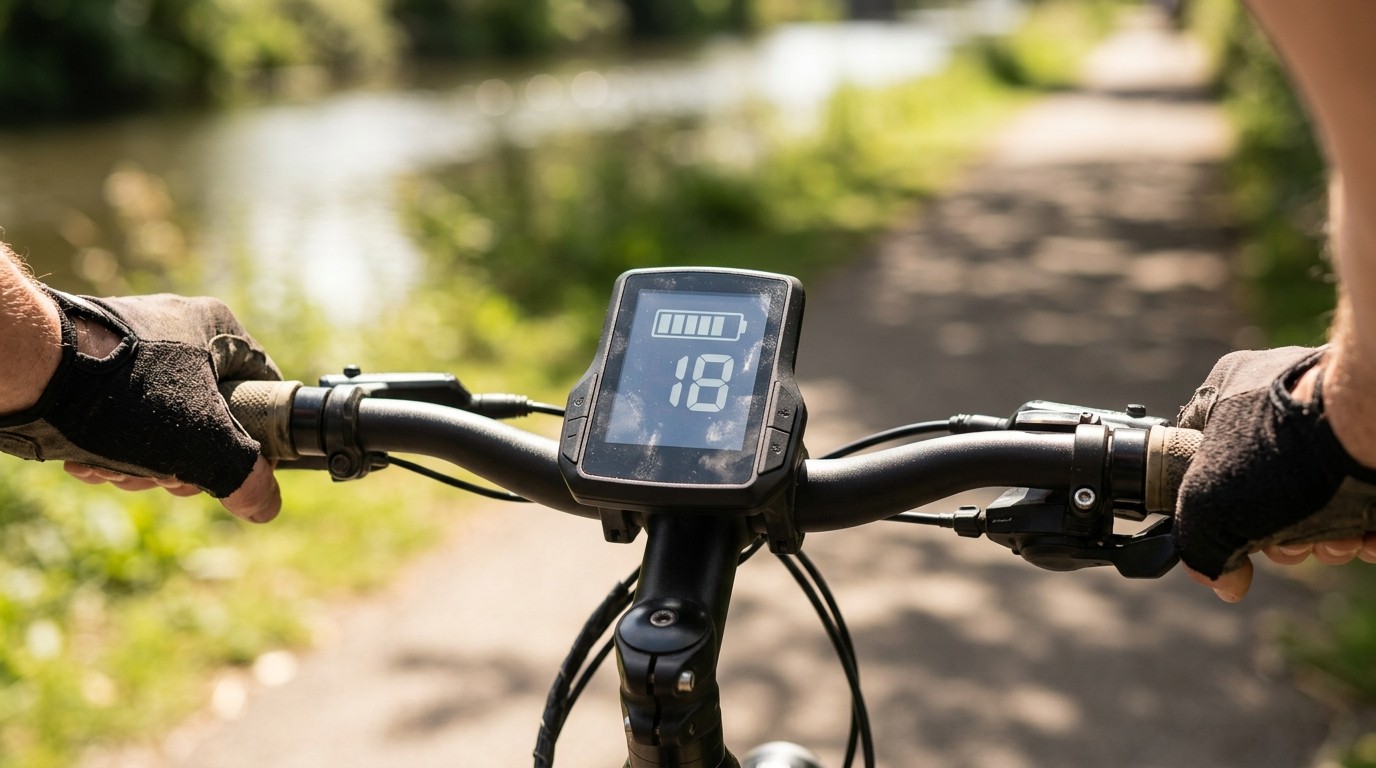
Plan for the full return journey and leave a reserve. If charging away from home is essential, confirm that a suitable charging location is available and follow the manufacturer’s battery and charger instructions.
Look Beyond the Motor’s Wattage
Motor power is only one part of the riding experience. Controller settings, gearing, sensor behavior, and the way assistance starts and stops also affect how a bike feels.
A torque sensor responds to pedalling force, while a cadence sensor detects pedal rotation. How either system behaves depends on its implementation and tuning; the sensor label alone does not establish ride quality.
During a test ride, pay attention to starting from a stop, climbing at a comfortable cadence, and making low-speed turns. Check whether assistance feels predictable and whether the available settings suit your riding preferences.
These everyday interactions often reveal more than comparing headline wattage figures alone.
Evaluate Comfort and Braking Together
A bike should feel manageable at the speeds and loads you expect to use. Check reach to the handlebars, saddle adjustment, mounting and dismounting, and whether the controls are easy to operate.
Braking performance depends on the complete system, including its condition, setup, tires, load, and riding surface. A brake-type label is not a substitute for proper adjustment and maintenance.
Before riding, become familiar with the controls and braking response in a suitable, low-risk area. Allow more space when conditions reduce grip or visibility, and use appropriate lights and protective equipment.
Include Ownership Costs in the Decision
The purchase price is only part of the budget. Depending on your needs, you may also require a helmet, lock, luggage equipment, replacement tires, and routine servicing.
Check warranty terms, replacement-battery availability, and access to compatible parts. Ask who can service the electrical system as well as the bicycle components. A model that looks attractive on paper may be less convenient if support is difficult to obtain locally.
Use Speed Comparisons as a Starting Point
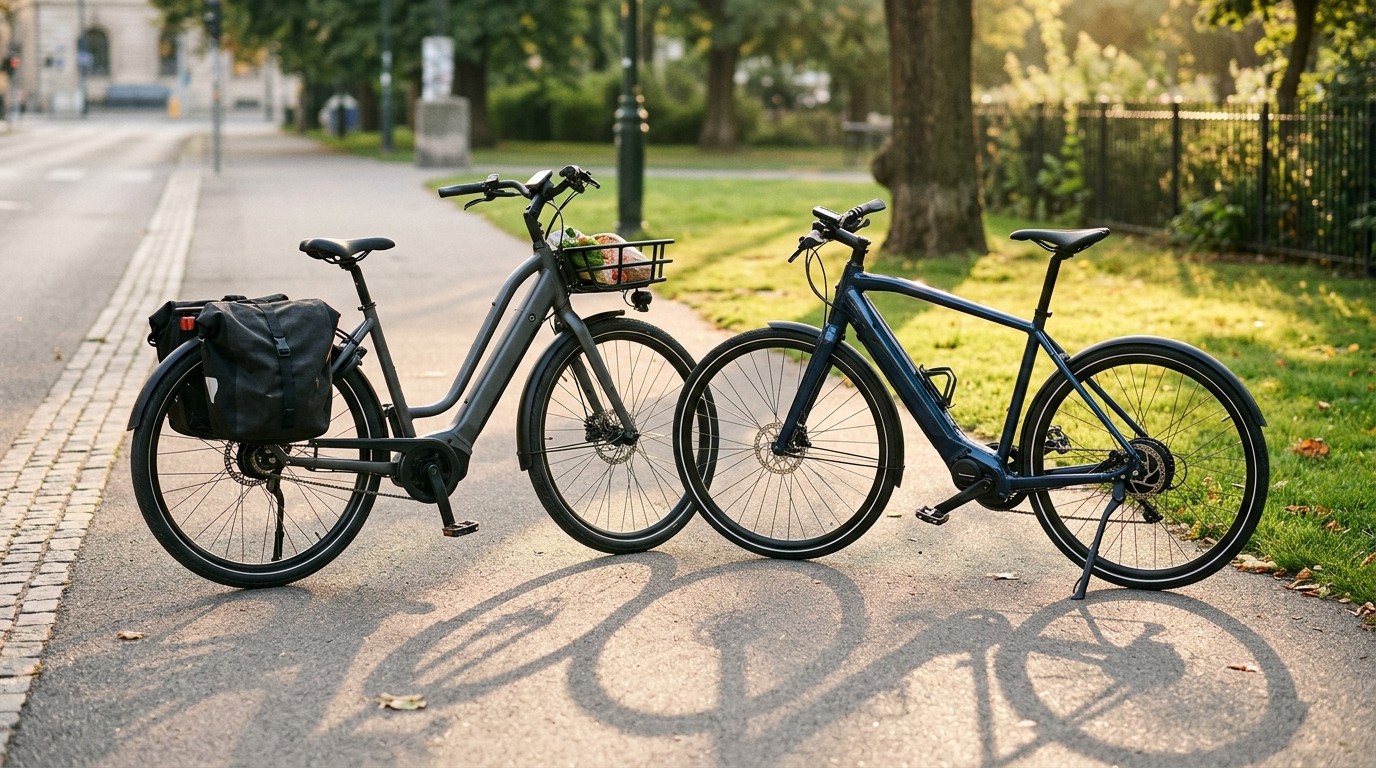
Speed comparisons can help explain the differences between everyday commuter bikes and higher-performance machines, but they work best alongside route planning and practical checks.
For additional background, FavoriteBikes’ guide to e-bike speeds can introduce the terminology used in speed comparisons. Confirm model specifications with the manufacturer and legal requirements with the relevant authorities.
The most useful e-bike is not automatically the one with the highest advertised speed. It is the one that fits your journeys, remains manageable in everyday conditions, and gives you clear expectations about assistance, range, and ownership.


