
Dry skin needs more than a quick layer of moisture. Its surface loses water faster when the barrier lacks enough lipids, leaving tightness, rough patches, and visible flaking. A lightweight lotion can feel comfortable, yet its thin film often disappears before dry areas get lasting support. A richer cream uses a denser blend of emollient and occlusive ingredients to slow water loss and soften texture. The difference becomes clearer when daily conditions keep stressing the skin barrier.
For dry or very dry skin, texture matters because hydration depends on the barrier holding water in. A face cream for dry skin gives those areas a thicker protective layer, so the skin stays comfortable longer after cleansing. That added weight suits evening routines, colder weather, and faces that feel tight soon after applying a lighter moisturizer.
Why Dry Skin Needs More Coverage
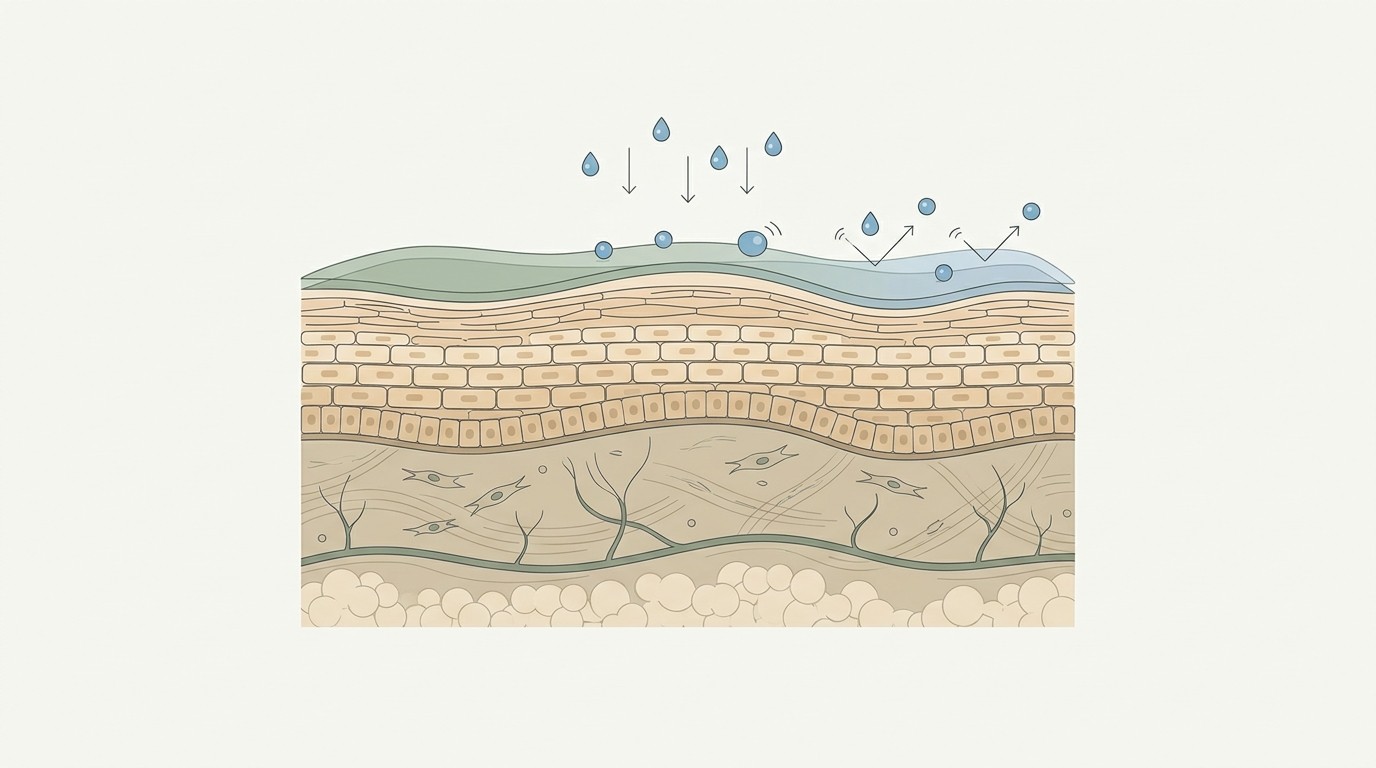
The outer skin barrier contains lipids that limit water loss. When that barrier becomes depleted, moisture escapes quickly, and the surface develops roughness or small flakes. A lightweight cream can add water-based hydration, but it often leaves less protective residue behind.
Dry skin also needs help maintaining softness between applications. A denser moisturizer spreads a more substantial layer across the surface, filling uneven areas and reducing the friction that makes rough skin feel uncomfortable. This effect matters after cleansing, when water and cleanser residue can leave the face feeling tight.
What a Richer Texture Changes
A rich cream contains more emollient and occlusive material than a light lotion. Emollients soften and smooth the skin surface, while occlusive ingredients create a film that slows evaporation. Together, these actions help the skin hold onto moisture longer.
Texture also changes how the product behaves throughout the day. A light formula absorbs quickly and leaves little residue, which suits normal or combination skin. A richer formula remains noticeable on the surface, making it better suited to dry to very dry skin that needs continued protection.
A rich cream may be formulated for dry to very dry skin and described as an anti-aging and nourishing moisturizer. These details point to its intended role: adding comfort and nourishment where a lighter texture feels insufficient. Its richer finish suits areas that become tight soon after application.
When a Rich Cream Makes More Sense
Cold air, indoor heating, and frequent cleansing increase moisture loss from the skin surface. These conditions often make a light moisturizer feel effective for a short time, followed by renewed tightness. A richer cream addresses that short wear time by leaving more protective coverage behind.
Nighttime also suits a denser texture because the face does not need to feel weightless during sleep. Applying the cream after cleansing gives the skin a longer period without makeup, sweat, or repeated washing. The product can remain in place while the surface settles.
Dry patches need targeted application rather than excessive product everywhere. A thin, even layer across the face, followed by a small amount on visibly rough areas, keeps the routine comfortable. The right amount leaves the skin cushioned without creating unnecessary heaviness.
How to Choose Between Textures
Skin type provides the clearest starting point. A light texture suits normal to combination skin, while a rich texture suits dry to very dry skin. Making that distinction helps match the finish to the skin’s actual moisture needs.
Seasonal changes also affect the decision. Someone with normal skin may prefer a light texture during humid months but need more coverage during winter. Someone with persistent dryness can use the richer option whenever tightness returns soon after moisturizing.
Application results provide another practical guide. If the face feels comfortable for several hours, the current texture likely offers enough coverage. If tightness, flaking, or roughness returns quickly, a denser cream deserves consideration.
Conclusion
Dry skin usually needs a cream that stays present long enough to reduce water loss and improve comfort. A rich texture matches the needs of dry to very dry skin, especially after cleansing or during cold, dry weather. The practical next step is simple: apply a rich cream to clean, slightly damp skin, then watch how long tightness takes to return. That response helps determine whether a denser moisturizer suits the routine. Readers building a routine over the long term can also compare textures against broader guidance on building a skincare routine that lasts.


