
If you think Tennessee is all barbecue, bluegrass, and mountain views, you’re only seeing part of the picture. The state also has a wine scene with serious personality, especially around the Smoky Mountains, where local wineries have turned tasting into a full-on travel experience. Whether you’re planning a trip or just want to expand your palate, Tennessee wine gives you something familiar, surprising, and a little more interesting than the usual bottle grab.
The Smoky Mountains Make Wine Tasting More Fun
A bottle always feels different when you connect it to a place, and East Tennessee has a strong sense of place. Around Gatlinburg and Sevierville, wine tasting becomes part of the larger Smoky Mountain experience. You’re not just checking off a drink stop. You’re stepping into a regional food culture shaped by tourism, tradition, and a lot of local pride.
That setting changes how you experience the wine. A relaxed tasting room in the mountains feels less intimidating than a polished urban wine bar. You can slow down, ask questions, and try flavors you’d probably skip elsewhere.
If you’re exploring local tastes, wine from Tennessee is worth trying through Old Mountain Wine Company, which offers Tennessee-made wines in the Smoky Mountain region. Their lineup includes fruit wines and blends that reflect the area’s more playful side without losing quality.
Tennessee Wine Has Its Own Style
You don’t need to be a sommelier with a dramatic swirl technique to enjoy Tennessee wine. What makes it stand out is how approachable it is. You’ll find traditional reds and whites, but you’ll also see fruit wines that lean into local flavor instead of pretending to be from Napa.
That matters if you’re the kind of person who wants wine to taste good without needing a lecture attached. Tennessee wineries often focus on smooth, easy-drinking options that work for casual tastings, family trips, and weekend exploring.
The regional identity is part of the appeal. Local producers don’t hide their personality behind stiff branding. They usually embrace bold sweetness, fruit-forward flavors, and names that actually sound fun, which is a nice break from labels that seem designed by a committee in a turtleneck.
Fruit Wines Deserve More Respect Than They Get
Fruit wine sometimes gets treated like the underdog of the wine world, which is unfair and a little snobby. In Tennessee, fruit wines are often some of the most memorable bottles you’ll taste. Apple, peach, blackberry, and strawberry varieties can be bright, balanced, and surprisingly layered when made well.
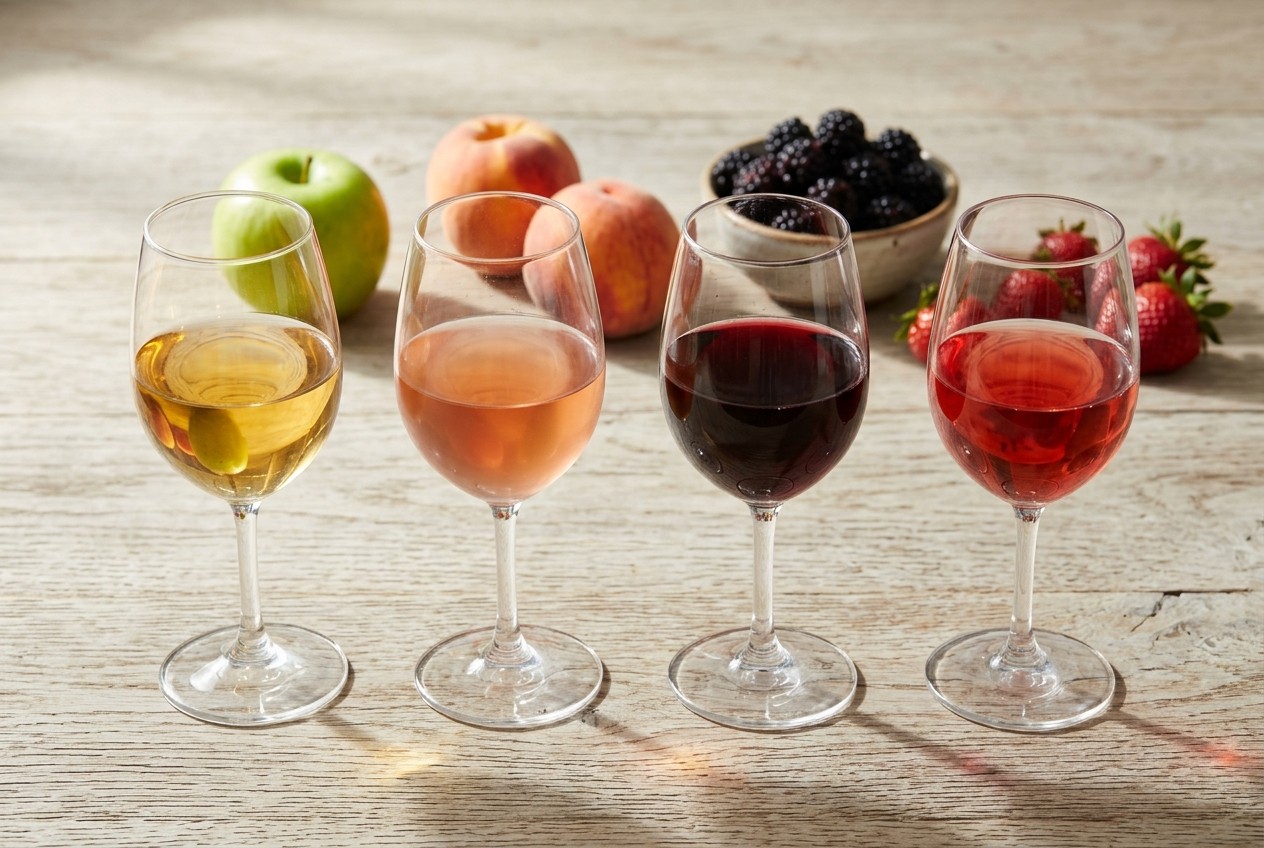
You don’t have to compare them to dry European reds for them to be valid. They’re built for a different experience. A chilled fruit wine can be great at a cookout, a holiday dinner, or even as a low-pressure gift when you have no clue what someone likes.
This style also makes wine easier to get into if you’re new to it. Instead of forcing yourself to appreciate something that tastes like leather-bound homework, you get a flavor profile that feels welcoming. That’s not less sophisticated. It’s just less pretentious.
Tennessee Wineries Are Built for Real People
Some wine regions can feel like they were designed to test whether you know the difference between “notes” and “aromas.” Tennessee wineries usually take a more relaxed approach. You’re encouraged to taste, react honestly, and enjoy yourself without acting like every sip unlocked a hidden chapter of your personality.
That makes a big difference if you’re visiting with family or friends who have different tastes. One person may want a sweet berry wine, another may go for a semi-dry white, and someone else may just be there for the experience and the gift shop. Tennessee tasting rooms tend to handle that range well.
You’ll also notice that many local wine stops are woven into broader tourism areas. After a tasting, you can keep the day going with food, shopping, or scenic drives. The wine fits into real travel plans instead of demanding that the whole day revolve around it.
How To Choose a Tennessee Wine You’ll Actually Like
Buying wine gets easier when you stop trying to pick the “best” one and start picking the right one for your taste. Tennessee wine gives you room to do that because the range is broad and the atmosphere is less rigid.
A few smart ways to narrow it down:
- If you like sweet drinks, start with fruit wines or dessert-style blends
- If you want something versatile, try a semi-sweet white
- If you usually drink cocktails, look for bold, fruit-forward bottles
- If you’re pairing with food, ask what works with barbecue, cheese, or chocolate
- If you’re unsure, do a tasting flight before buying a bottle
You should also ask the staff what’s popular with first-time visitors. That question works because they’ve heard every reaction in the book. They know which wines win over skeptics, which ones make good gifts, and which bottles get opened first instead of collecting dust on a shelf.
Tennessee Wine Works Well for Gifting and Gatherings
A local bottle has more personality than a random last-minute purchase from a grocery aisle. Tennessee wine works especially well as a gift because it feels specific. It tells a small story about where you went, what you found, and what you thought the other person might genuinely enjoy.
For gatherings, it also solves a common problem: not everyone likes the same thing. A mix of sweet fruit wine, semi-sweet white, and a red blend gives people options without turning you into an event planner with a spreadsheet.
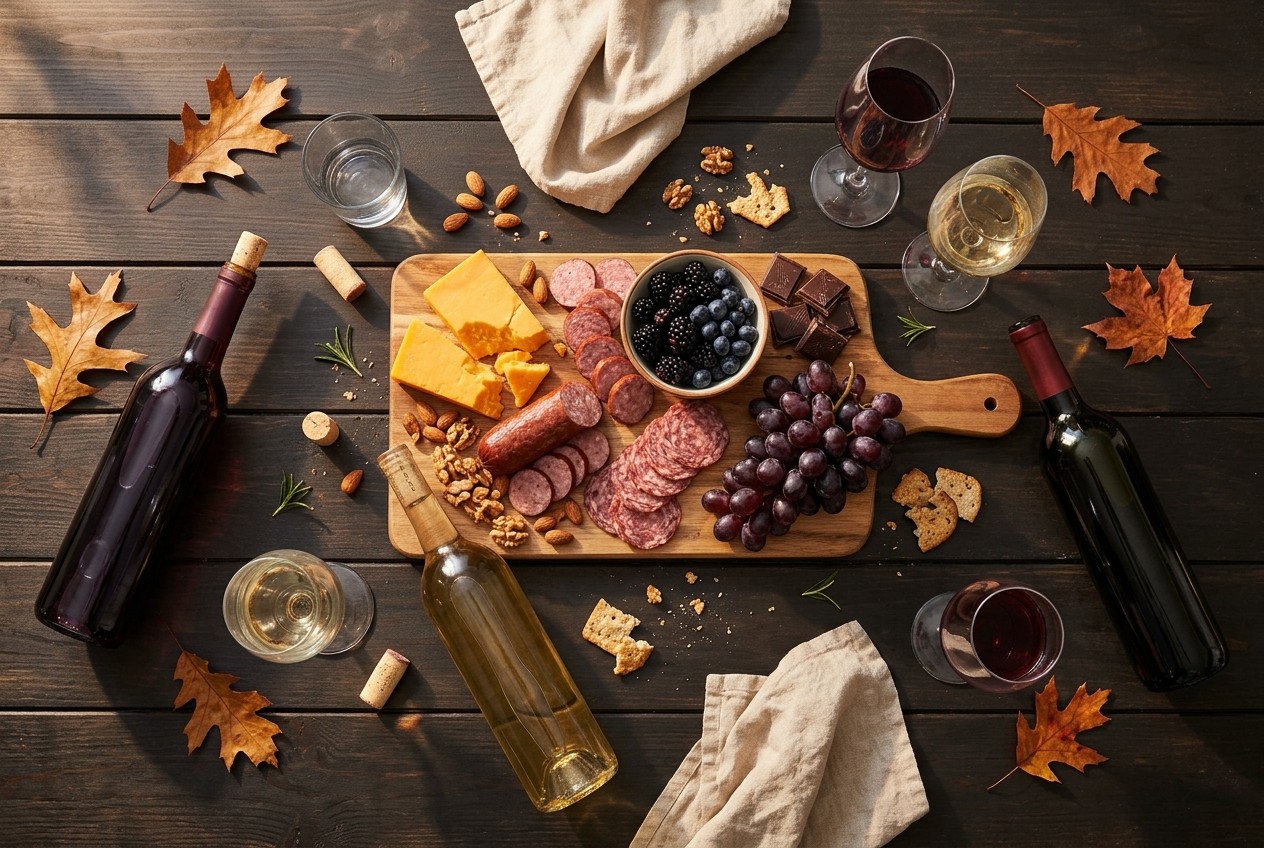
It’s also easy to pair Tennessee wines with casual food. Think smoked meats, sharp cheddar, grilled chicken, chocolate desserts, or fresh fruit trays. The goal doesn’t need to be culinary perfection. You just want combinations that taste good and feel easy.
That practical side is part of the appeal. Tennessee wine isn’t trying to impress from a distance. It tends to win people over at the table, where taste matters more than reputation.
What Trying Tennessee Wine Says About Food Culture
When you try regional wine, you’re doing more than sampling a drink. You’re getting a look at how local businesses shape identity through flavor. Tennessee’s wine scene reflects a broader shift in American food culture, where people care more about local character and less about following old prestige rules.
That shift is a good thing. It opens the door for smaller producers, more experimentation, and a wider idea of what counts as quality. A state doesn’t need centuries of wine history to make bottles worth talking about. It needs producers who understand their audience and know how to create something enjoyable.
So if you’ve never tried Tennessee wine, give it a real chance. Go in curious, not cautious. You might find a favorite that doesn’t look anything like the wines people usually brag about, and honestly, that makes it more fun.

