
As localized severe convective storms, microbursts, and heavy hail hit residential neighborhoods more frequently, minor exterior damage quickly turns into major structural issues. Subtle shingle bruising or displaced metal flashing quietly opens pathways for hidden rot across your roof deck when repairs face delays.
Taking action right after a storm shields your home against compounding structural failures. Addressing subtle exterior damage early preserves your property value and prevents costly interior restoration.
How Do Hidden Hail Fractures Weaken Shingle Barriers?
Hail impacts shatter the internal fiberglass mats within composite shingles without leaving obvious surface holes. Strike zones lose protective mineral granules, exposing raw asphalt layers to direct sunlight and rainwater penetration.
Unseen damage slowly destabilizes roof decking during subsequent rainy days. Scheduling professional exterior repairs after severe weather stops hidden leaks before dampness migrates into attic insulation. Early stabilization protects your home structure while preserving total property value. Homeowners who inspect their roofs right after severe storms avoid costly frame restoration down the road.
Micro-cracks in damaged shingles expand during regular freeze-thaw cycles. Temperature shifts widen small gaps, allowing rain to trickle directly onto vulnerable roof underlayment.
Unchecked water penetration weakens structural adhesive layers beneath composite shingles. Standing water on exposed underlayment gradually seeps into tongue-and-groove decking, causing wood fibers to swell and split.
What Happens When High Winds Break Factory Adhesive Seals?
High-velocity wind uplift exerts intense lifting pressure across roof edges, eaves, and ridge lines. Strong gusts pry up shingle tabs, breaking the thermal adhesive bond that locks individual shingles together into a solid protective shield.
Data from the National Weather Service indicates that localized microbursts and severe downbursts often generate straight-line winds ranging between 70 and 80 mph. Wind forces of this magnitude peel shingle edges upward without completely tearing them away, leaving roofs looking intact from ground level while exposing underlayment underneath.
Wind-driven rain easily slides beneath compromised shingle flaps during passing storms. Water pools in concealed areas, saturating wood decking and rusting structural fasteners hidden from plain view.
Ripped seal strips cannot re-bond automatically, even during hot summer days. Defective seals leave your roof vulnerable to subsequent rainstorms, accelerating wood decay across upper roof trusses.
Why Does Delayed Remediation Accelerate Internal Rot?
Trapped water beneath damaged roofing components creates an environment where wood-destroying fungi thrive. Plywood decking softens within weeks of continuous dampness, reducing load capacity across structural rafters.
Water spreads horizontally along roof rafters and ceiling joists before dripping through interior drywall. What starts as a small roof gap quickly ruins ceiling boards, warps wall frames, and compromises room insulation.
- Inspect attic spaces: Check dark corners for damp insulation, dripping roof nails, or heavy odors after severe storms.
- Monitor ceiling surfaces: Watch for subtle paint discoloration, bubbling texture, or dark rings near exterior walls.
- Track roofline changes: Scan your roofline from ground level to spot dipping sheathing or sagging rafters early.
Ignoring early signs of structural dampness allows mold spores to multiply inside wall cavities. Removing contaminated materials later increases repair bills significantly compared to simple surface fixes.
How Do You Execute Emergency Triage After Severe Weather?
Professional emergency stabilization halts ongoing water intrusion immediately after severe weather clears. Swift response teams secure temporary protection over vulnerable sections before permanent repairs begin.
Restoration specialists install commercial tarps anchored with wooden furring strips to prevent wind uplift. Professional tarping shields exposed decking, torn underlayment, and broken flashing from sudden rainstorms.
Internal water extraction removes trapped condensation from attic spaces before structural framing warps. Industrial air movers and dehumidifiers dry ceiling joists quickly, protecting indoor air quality.
Quick triage measures buy precious time for thorough insurance evaluations. Securing the structure immediately fulfills your homeowner policy requirement to mitigate secondary property damage.
How Should You Document Exterior Damage for Immediate Proof?
Detailed photographic evidence captured right after a storm establishes clear proof of sudden storm damage. Documenting exterior components systematically helps build a clear timeline for your repair strategy.
Research published by NDSU Agriculture points out that severe wind forces generate pressure strong enough to lift or push major structural components across a building. Documenting shifted fascia boards, lifted gutters, torn shingles, and dented metal vents immediately captures the full scope of structural displacement.
Clear photos taken from multiple angles show the exact condition of roof components before weather exposure worsens initial damage. Preserving loose shingle fragments or fallen hail guard pieces provides supporting physical evidence.
Organizing photos by location creates a simple reference guide for adjuster meetings. Date-stamped images prove that damage resulted from a specific storm event rather than age-related wear.
How Do Licensed Contractors Streamline Insurance Restoration Workflows?
Partnering with licensed exterior restoration teams simplifies the insurance claims process. Experienced contractors understand how to translate complex structural damage into precise documentation required by insurance carriers.
Professional restoration experts perform detailed multi-point inspections that uncover subtle structural issues. Certified inspectors identify hidden shingle mat fractures and lifted flashing that insurance adjusters might miss during brief ground assessments.
Detailed line-item estimates built with standard industry software match insurance requirements accurately. Clear scope documentation minimizes claim delays, helping homeowners secure approval for complete structural restoration.
- Schedule joint inspections: Arrange for your restoration contractor to walk the property alongside the insurance adjuster.
- Review scope documentation: Verify that repair estimates cover all necessary underlayment, drip edge, and flashing materials.
- File detailed supplements: Submit photographic proof if hidden structural decay appears during full teardown.
Collaborating with licensed contractors protects you from out-of-pocket pricing surprises. Experienced teams negotiate directly with claim representatives to align repair scopes with actual market restoration costs.
How Does Prompt Restoration Protect Long-Term Home Equity?
Restoring exterior components quickly maintains structural soundness and protects property value. Complete exterior protection preserves architectural stability against future storm seasons.
Preventing structural decay keeps home systems functioning properly. Proactive property maintenance preserves resale valuation and protects family safety.
Rapid structural repairs maintain buyer confidence when you decide to sell your property. Clean inspection reports prove that your roof frame remains free from hidden decay or past water intrusion.
Investing in prompt repairs safeguards your financial investment against severe weather escalation. Maintaining strong exterior defenses keeps your living spaces dry, safe, and resilient year after year.
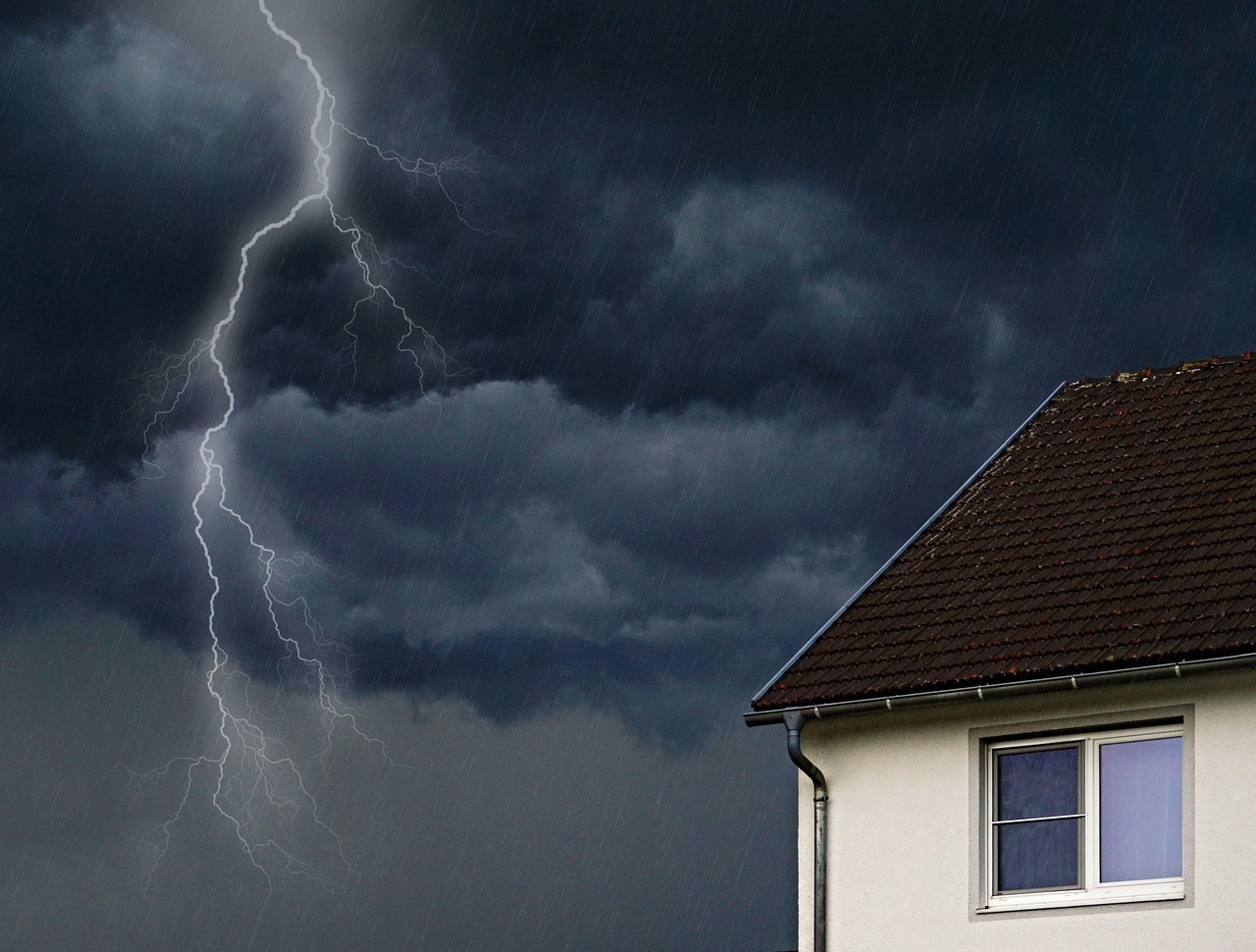
Protecting your home after severe weather comes down to acting fast when early warning signs appear. Immediate stabilization stops hidden water pathways, preserving ceiling framing, insulation, and roof decking. Working with experienced restoration professionals safeguards your property equity and gives you lasting peace of mind.

