
Technical crews stationed at your energy well sites and remote construction complexes operate under intense physical and mental strain every day. Food quality directly governs site safety, daily operational output, and crew retention across long rotational deployments.
Well-planned daily meal programs transform demanding off-grid camps into safe, high-performing industrial hubs. Investing in proper nutritional infrastructure protects your workforce while keeping your project schedule moving forward.
How Do You Manage Off-Grid Cold-Chain Logistics?
Transporting fresh ingredients across hundreds of remote miles requires disciplined supply chain controls. Temperature monitoring systems verify that perishable meats, dairy, and produce remain safe during long highway and dirt road journeys.
Field superintendents depend on mobile kitchen compounds to feed large crews without operational interruptions. Partnering with a skilled logistical catering team allows your leadership team to maintain high culinary standards in isolated field locations. These self-contained trailer units utilize industrial generators and water filtration setups to serve fresh meals every day.
Safety standards established by the U.S. Food and Drug Administration require keeping cold perishable food at 40 degrees Fahrenheit or below until serving time. Adhering strictly to cold-chain regulations protects your site personnel from preventable foodborne illnesses.
Heavy-duty mobile kitchen trailers deliver commercial food preparation facilities directly to your project location. Modular designs allow rapid assembly near living quarters without requiring heavy civil foundation work.
Commercial refrigeration units preserve raw ingredients despite extreme summer heat or freezing winter storms. Secondary generator connections prevent costly inventory spoilage during unexpected main power cuts at remote wellsites.
How Does Shift Nutrition Fuel Field Operations?
Rotational 12-hour shifts demand continuous physical stamina and sharp focus from your field personnel. Hard physical labor rapidly drains glycogen reserves in muscles, causing mental fatigue that increases site accident risks.
Servings of complex carbohydrates and lean proteins deliver steady fuel across long working shifts. Research published by NutritionEd shows that complex carbohydrates and lean proteins maintain focus, while even 2% dehydration impairs cognitive performance.
Data from the Food and Agriculture Organization highlights that improved worker nutrition increases human capital and labor productivity through better health outcomes. Providing clean hydration stations alongside wholesome meals keeps energy levels stable throughout demanding shift rotations.
Balancing Complex Carbs and Lean Proteins for Shift Stamina
Selecting whole grains, lean meats, and vegetables prevents mid-afternoon energy crashes across your worksite. Industrial teams maintain physical vigilance when meal schedules deliver steady nourishment rather than quick sugar spikes.
Offering healthy mid-shift snacks helps technicians sustain alertness during critical heavy machinery operations. Hydration initiatives combined with warm, nutrient-rich meals keep physical performance consistent across 12-hour shifts.
What Procurement Strategies Cut Food Waste in Basecamps?
Managing basecamp inventory demands accurate headcount tracking to eliminate costly food spoilage and unnecessary freight expenses. Daily headcount updates allow kitchen managers to align meal preparation volume with actual site attendance.
Ordering precise ingredient quantities reduces freight expenses while optimizing cooler space in mobile trailers. Disciplined inventory rotation keeps stock fresh while holding camp operational costs within budget projections.
Streamlining Procurement Protocols
Purchasing managers coordinate weekly delivery schedules around planned crew rotation cycles to preserve peak ingredient freshness. Matching delivery timing with headcount shifts reduces waste and simplifies inventory tracking along off-grid transport routes.
Recording daily consumption trends helps culinary teams refine future bulk orders accurately. Systemic ordering practices prevent excess food accumulation in remote storage facilities.
- Track daily headcounts: Site supervisors send updated headcount reports every morning to match meal prep with attendance.
- Rotate perishable inventory: Kitchen personnel practice strict first-in, first-out rotation so older stock gets prepared first.
- Inspect incoming loads: Logistics leads check shipping temperature logs before accepting raw ingredient shipments.
- Audit waste logs: Culinary staff log unused portions after every shift to refine future bulk orders.
How Do Certified Safety Standards Protect Camp Health?
Rigorous kitchen sanitation procedures prevent foodborne illness outbreaks among isolated field personnel. Standardized sanitation routines protect prep surfaces, cooking utensils, and dining areas every single day.
Research from the USDA Food Safety and Inspection Service indicates that disease-causing bacteria multiply rapidly between 40 degrees and 140 degrees Fahrenheit. Maintaining strict hot and cold holding temperatures prevents bacterial growth in prep stations.
Regulations enforced by the Occupational Safety and Health Administration state that temporary labor camps must provide clean, sanitary food storage and preparation facilities. Following regulatory frameworks preserves worker wellness across long industrial assignments.
Enforcing Sanitation Protocols in Camp Facilities
Color-coded cutting boards and dedicated utensils eliminate cross-contamination risks during large-scale cooking operations. Daily kitchen walk-throughs verify culinary personnel adhere to established safety rules continuously.
Guidelines from the UMass Center for Agriculture, Food and the Environment state that enforcing personal cleanliness and proper handwashing prevents food contamination in field facilities.
Safety reviews by the American Federation of Teachers show that periodic equipment inspections and clear walkways prevent physical hazards and heat-related injuries in commercial kitchens.
- Verify cooking temperatures: Culinary workers measure internal meat temperatures using digital probes before serving meals.
- Sanitize preparation tables: Cooks disinfect food preparation surfaces between prep shifts using approved chemical sanitizers.
- Isolate cleaning supplies: Maintenance crews store cleaning chemicals in locked cabinets away from raw ingredients.
- Maintain handwashing stations: Staff wash hands thoroughly at dedicated sanitation stations before touching food items.
How Do Quality Meals Improve Field Crew Retention?
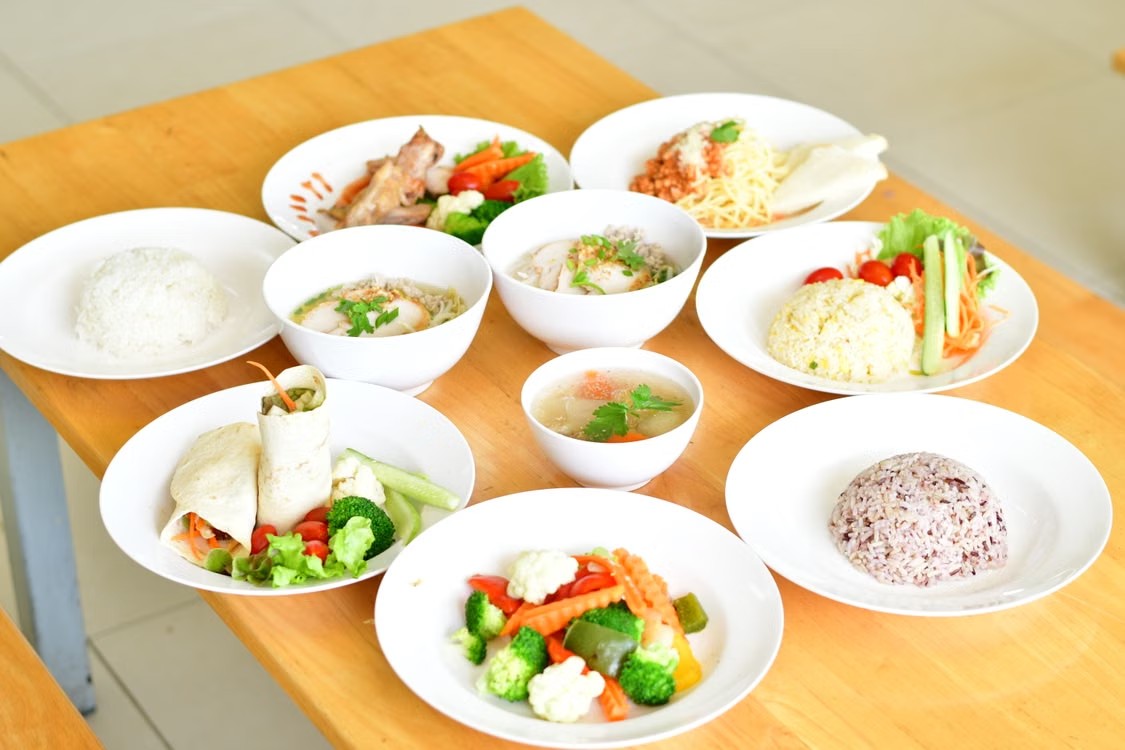
Serving hot, nutritious, and appetizing meals offers personal comfort after grueling shifts in isolated, harsh environments. Thoughtful menu variety eases mental stress and boosts crew morale during extended rotation cycles.
Field managers observe higher crew retention rates when base camps prioritize high-quality dining programs. Retaining experienced technicians lowers expensive recruitment costs and maintains operational continuity on key job sites.
What Infrastructure Supports Off-Grid Kitchen Operations?
Autonomous utility connections keep camp kitchens operating reliably without municipal power or water networks. Industrial power generators, potable water tanks, and waste collection systems maintain steady food preparation workflows.
Backup generator systems protect food storage units against unexpected power outages in remote geographical zones. Filtration systems supply clean water for cooking, dishwashing, and daily facility sanitation tasks.
How Can Site Managers Optimize Camp Dining Programs?
Collecting regular feedback from field personnel helps kitchen teams adjust menus based on taste preferences and dietary requirements. Continuous menu variation prevents meal fatigue during long industrial assignments.
Close coordination between site supervisors and catering staff maintains smooth dining schedules during peak shift changes. Well-designed dining facilities provide spaces where workers recharge and build strong team camaraderie.
Turnkey camp operations require specialized field service providers capable of delivering consistent nutrition despite geographical hurdles. Prioritizing nutritious meals, reliable cold-chain logistics, and certified safety protocols protects worker health while maintaining daily site output.
Investing in robust dining infrastructure establishes a safer, more productive basecamp environment where your workforce excels every single day.

