
It is not only where you pitch a tent that matters, but also what you sleep in. Synthetic sleeping bags can feel clammy when damp, while natural fiber bags breathe more easily and suit outdoor use. Choosing linen and hemp for a natural fiber sleeping bag means opting for durable materials with a lower impact on the environment.
Why Natural Fibers Work for Eco-Friendly Camping
The linen shell fabric and hemp fiber filling combine a breathable outer layer with a soft, insulating fill. While an organic sleeping bag can help limit the use of synthetic materials, it is still worth considering the full environmental footprint of the product.
When selecting a sleeping bag for your next camping trip, consider natural materials for eco-friendly sleeping bags.
Some of the main advantages to consider are:
- Moisture-managing overnight fabric.
- Stitching and filling built to last through regular use.
- Undyed linen for a natural look.
- A sleeping bag with straightforward cleaning instructions.
Hemp Sleeping Bag: Breathability, Comfort, and Seasonal Use
For spring, summer, and early fall camping, a linen sleeping bag can be a good option depending on the rest of the sleep system and the weather. Linen feels comfortable against the skin because it is breathable and softens with washing. Laboratory testing by the European Flax-Linen and Hemp Alliance found that linen allows more airflow and water vapor through than cotton, polyester, or viscose, which helps explain why it feels cooler in warm conditions (European Flax-Linen and Hemp Alliance). On cooler evenings, add a blanket or appropriate clothing. A quilt-style camping quilt is another option for warm nights when full enclosure feels like too much. Linen shells also suit glamping, camper vans, and cabins.
Eco-friendly sleeping bags are suitable for:
- Warm-weather camping and outdoor festivals.
- Upgrading a cot or raised bed to a glamping-level setup.
- Camper van and cabin stays.
- Layering with blankets on cooler evenings.
Campers who want plant fiber inside and out may prefer a hemp sleeping bag filled with natural plant fibers as well. A similar preference for plant-based comfort at home is one reason many people choose natural bedding materials for everyday sleep.

Choosing a Sleeping Bag for Group Camping
A family sleeping bag is large enough for two people or for parents and a young child. It can simplify bedding and reduce the number of items to pack, particularly for car camping. A larger bag makes sense for family trips where convenience matters more than pack size and there is room in the vehicle.
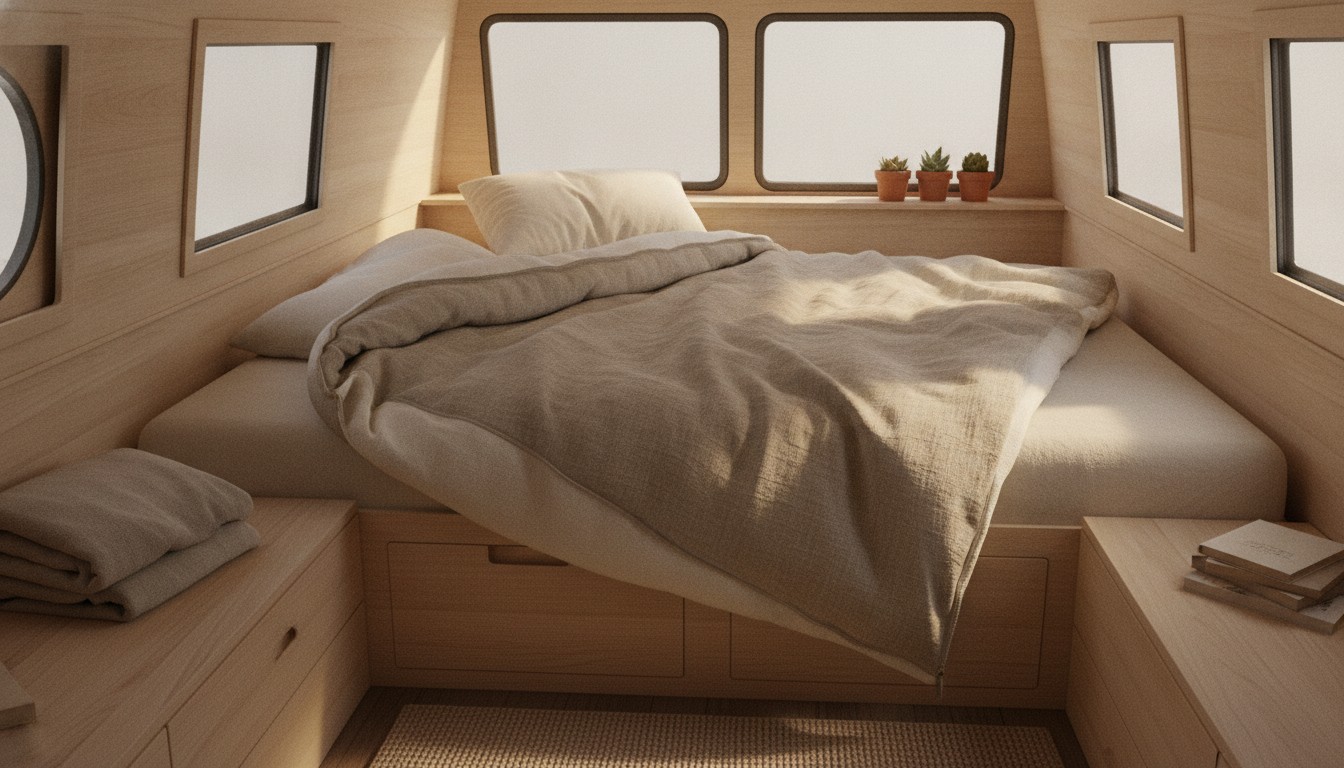
Before choosing, consider:
- Measure the tent floor and confirm the bag fits.
- Decide between one shared-size bag or two separate bags that zip together.
- Check any special cleaning needs for the shell and filling.
- Check the packed size against the car storage space.
“The best camping gear disappears: You don’t think about the bag anymore, you just see the stars.”
FAQ
1. What Makes Sleeping Bags Green?
Instead of synthetic textiles, shoppers can look for natural options such as linen shells and hemp filling. Always check the full material composition and care instructions before buying.
2. Will a Linen Sleeping Bag Keep You Warm Enough for Camping?
It can suit mild spring-to-fall conditions, depending on construction. On cooler evenings, layer up and check the product guidance for its intended temperature range.
3. Should a Family Share One Family-Size Sleeping Bag or Use Two Individual Bags?
One shared bag can simplify packing. Two separate bags allow for individual temperature preferences and sleep styles.
4. Does a Washable Sleeping Bag Need Special Care?
Follow the care label. Where machine washing is allowed, use the recommended cycle and make sure the filling dries completely before storage.
Conclusion
In the end, the choice comes down to season, group size, and available packing space. Whether comparing linen and hemp options or deciding between shared and individual bags, match the materials, construction, and care needs to the trip. The right natural fiber setup can make camping more comfortable and last through many outdoor stays.


