
Every house shows its age eventually. Windows start to stick, siding fades and cracks, doors let in drafts, and fixtures that once felt new begin to look tired. For homeowners in Boulder, the changing seasons add extra wear to the outside of a home, which makes these choices come up more often than many people expect.
The real challenge is deciding whether a fix will be enough or whether it is time to start over with something new. Making the right call protects your budget, your comfort, and the long-term value of your property.
Protecting the Part of the House That Shields Everything Else
Some parts of a home matter more than others because they guard everything underneath them. A roof that has been patched many times may still keep out water for now, but loose shingles, worn flashing, and repeated leaks are signs that the whole system is wearing out.
At that stage, full roofing work usually gives better protection than another round of small fixes. Before deciding, many homeowners hire a local Boulder roofing company to inspect the surface and explain clearly whether the wear is limited to just a few small spots or has spread across the whole structure. That honest assessment turns a stressful guess into a clear decision, so you only pay for the work your house truly needs.
Signs That a Simple Fix Will Do the Job
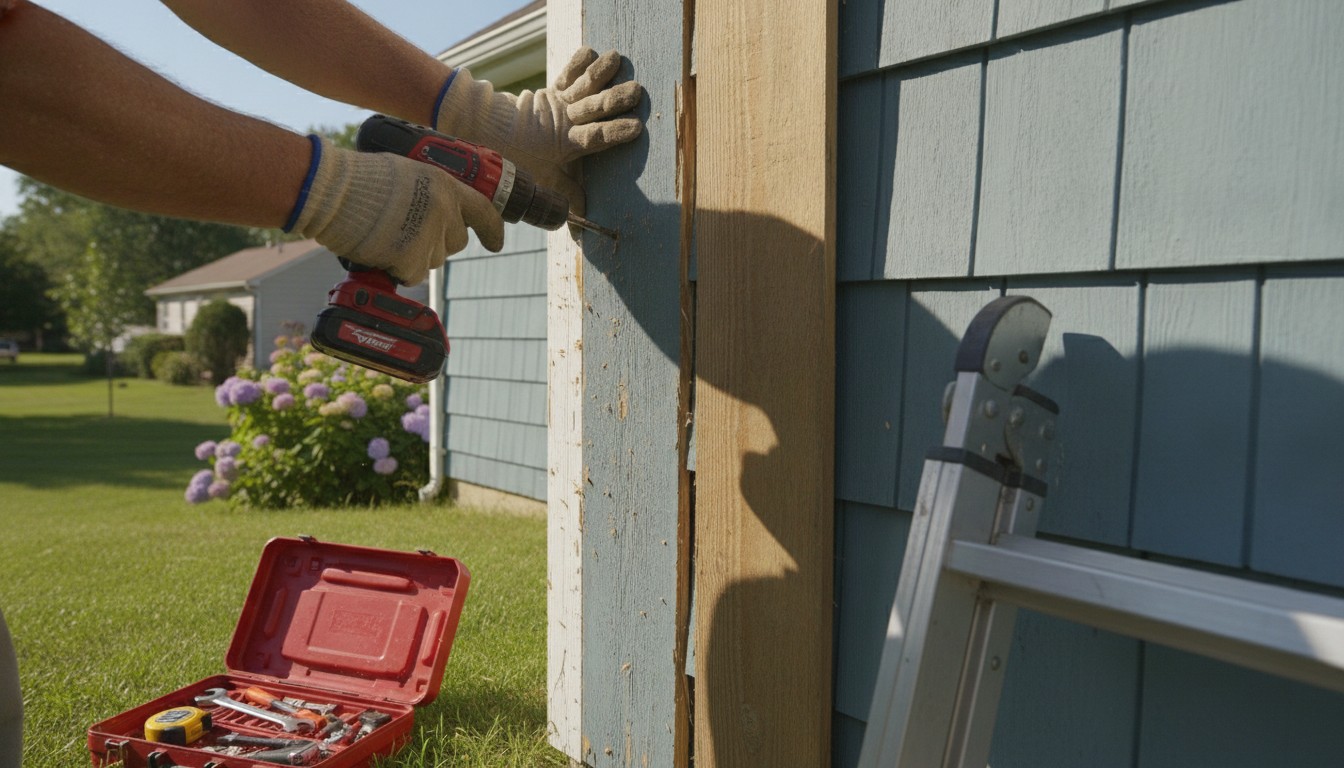
Not every problem calls for a major project. Many issues around the house are small, isolated, and easy to correct. A single cracked board of siding, a window with a worn seal, or a door that needs new weatherstripping can often be handled quickly and at a modest cost. When the damage is limited to one spot and the rest of the feature is in good shape, a fix is usually the sensible choice.
Age also matters. A feature that is still fairly young has plenty of life left in it, so spending a little to keep it working makes good sense.
Another good sign is when the problem has a clear cause. A gutter that overflows because it is clogged needs cleaning, not removal. When you can point to one simple reason for the trouble, a simple answer often follows.
Warning Signs That Point Toward Starting Over
The clearest sign is when the same problem keeps coming back. If you have fixed the same window or the same section of siding several times, the underlying material is likely failing, and each fix only buys a little more time.
Widespread damage is another strong signal. When cracks, rot, warping, or fading appear across a large area rather than in one spot, the feature has usually reached the end of its useful life. Patching many small areas can end up costing nearly as much as a full replacement, without the same lasting result.
Hidden damage deserves attention too. Soft wood, mold, or moisture stains on interior walls can mean water has been getting in for some time. A surface fix may hide the problem while the damage keeps spreading.
Weighing the True Cost Over Time
The price of a repair often looks small compared with the price of something new, but the upfront number does not tell the whole story. A fair comparison looks at how much you will spend over the next several years, not just this month.
Start by adding up what you have already spent on the same feature. Small bills can quietly grow into a large total.
A new feature, on the other hand, usually comes with a fresh warranty and years of reliable use. Many homeowners find that once they look at the full picture, replacement turns out to be the more affordable path in the long run, even though it costs more on day one.
How Energy Efficiency Shapes the Decision
Older windows, doors, and siding often let heat escape in winter and let warm air in during summer. This forces heating and cooling systems to work harder, which raises monthly bills and adds wear to that equipment.
Fresh caulk and new weatherstripping can close small gaps and reduce drafts. However, they rarely bring an older feature up to the standard of modern products, which are designed to hold indoor temperatures more steadily. For a broader look at which fixes cut energy waste and emissions most effectively, see our guide to green home upkeep and environmental impact.
If your home feels drafty, if certain rooms are always too hot or too cold, or if your energy bills keep climbing, upgrading the worst offenders may pay for itself over time through lower costs and better comfort throughout the year.
The Impact on Home Value and Curb Appeal
The outside of a home is the first thing buyers and neighbors see. Faded siding, worn doors, and cloudy windows can make an otherwise solid house look neglected.
If you plan to sell in the next few years, updating tired exterior features can make your home more attractive and help it stand out. Buyers often prefer a house that is ready to move into, without a list of projects waiting for them.
If you plan to stay for a long time, the same updates make daily life at home more pleasant.
Matching the Choice to Your Long-Term Plans
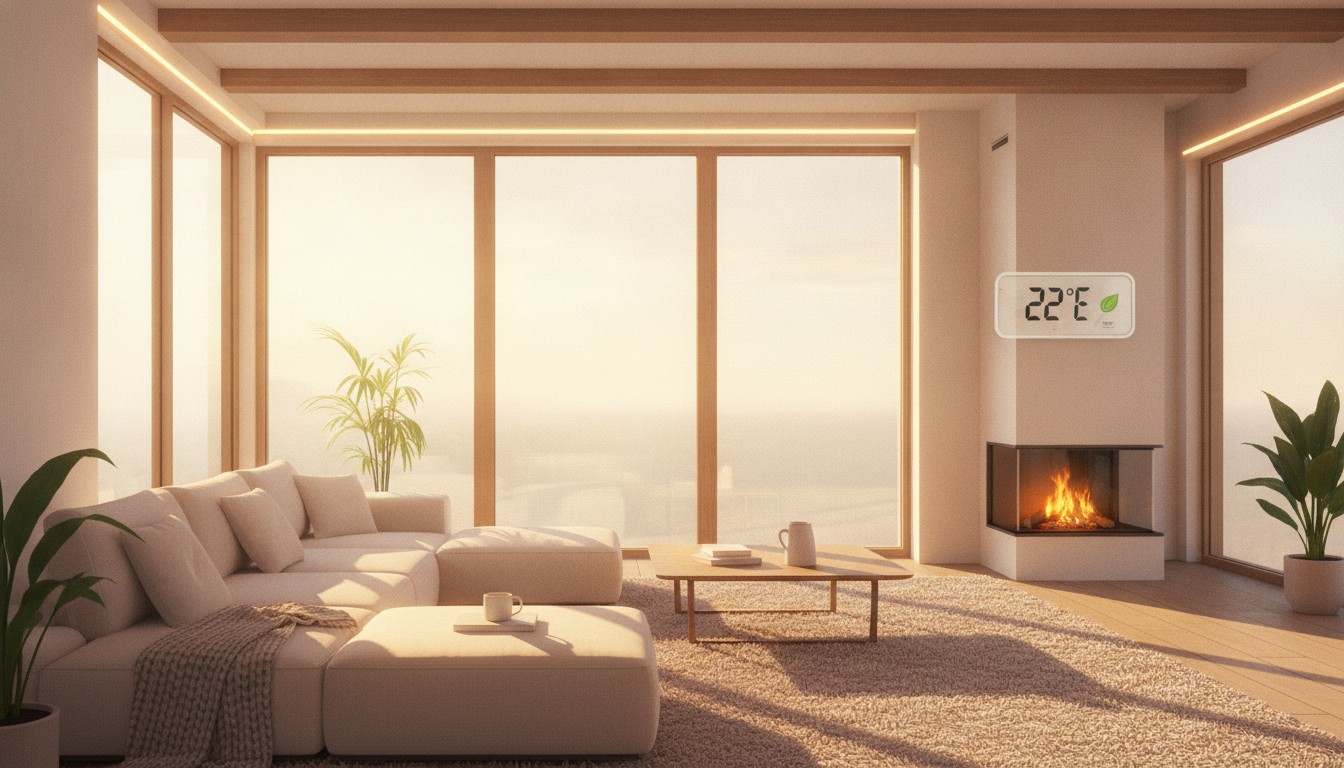
Your plans for the future should guide every decision. If you expect to move soon, a reliable repair may be enough to keep things in good order without a large investment. If you intend to stay for many years, putting money into lasting upgrades usually delivers more value and fewer headaches.
Walk around your home once or twice a year and note which features are showing their age. Ranking them by urgency lets you budget calmly.
Finally, trust what your home is telling you. Small, isolated issues on newer features usually deserve a fix. Repeated, widespread, or hidden problems on older features usually deserve a fresh start. Paying attention to these patterns helps you spend wisely and keep your home safe, comfortable, and valuable for years to come.

