
Electric vehicles, phones, and grid storage all run on lithium, but pulling that lithium out of salty water is slow, thirsty, and chemically messy. Researchers at The University of Texas at Austin have now built a biological shortcut: artificial nano-channels that work like the selective doors in living cells, letting lithium slip through while holding back sodium, potassium, magnesium, and calcium.
Published in the Journal of the American Chemical Society, the new UT Austin lithium channel study reports channels that are two to five times more selective for lithium than other recently reported artificial transporters. The goal is a continuous membrane process that replaces chemical guesswork with precise physical filtering, whether the feed is brine, produced water, or even recycled batteries. The full selectivity figures, including how many times better lithium is than each rival ion, are broken down in the chart below.
Why Lithium Extraction Is Still Slow and Messy
Most lithium starts in underground salty water called brine, in hard rock, or in spent batteries. In brine it sits mixed with look-alike ions, especially sodium, potassium, magnesium, and calcium, that are similar in size or charge and hard to separate.
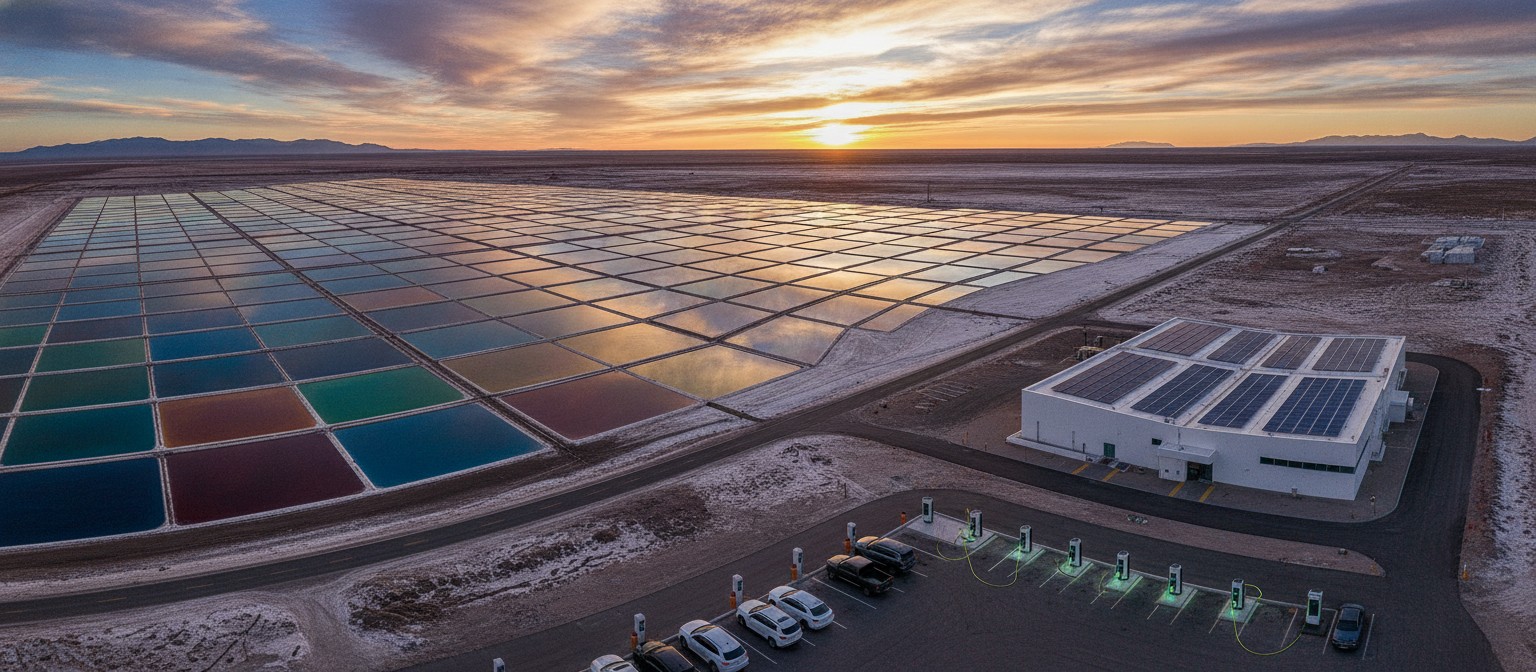
Conventional evaporation ponds pump brine into huge shallow basins and wait for the sun to concentrate it over many months. The method is cheap where land is flat and dry, but it typically recovers only 30 to 50 percent of the lithium and loses most of the water to the sky. Research on salar basins warns that large-volume pumping can draw down groundwater that supports wetlands and lagoons, with about 89 percent of water extraction in the Atacama Salt Flat basin linked to mining in one synthesis of hydrological studies.
Hard-rock mining avoids ponds but brings its own footprint in land, crushing, heating, and refining. Newer direct lithium extraction routes use sorbents, solvents, membranes, or electric fields to pull lithium out in hours instead of months. They recover far more lithium, yet many still need acids, bases, fresh wash water, or complex pretreatment. That tradeoff is why selectivity matters so much: every magnesium or sodium ion that slips through wastes chemicals, energy, and capacity.
How Cell-Inspired Nano-Channels Pick Lithium
Living cells solved this filtering problem long ago with protein pores that admit one ion and turn away the rest. The Texas team copied that idea with supramolecular chemistry rather than biology.
Each channel starts with a ring-shaped pillar[5]arene molecule, a symmetrical hoop roughly one nanometer across. The researchers added specialized chemical handles based on diphenyl phosphine oxide around the entrance. Those handles act like a precise bouncer, offering lithium a favorable chemical handshake right where it enters the pore.
Under an electric field, ions drift toward the membrane and must partly shed the shell of water molecules they carry everywhere in solution. Lithium gives up that shell relatively easily and accepts the channel entrance as a substitute partner. Magnesium and calcium grip their water almost four times more tightly, so stripping them costs far more energy. Too large, too tightly hydrated, or wrongly coordinated, those rival ions stall outside while lithium glides through the confined interior.
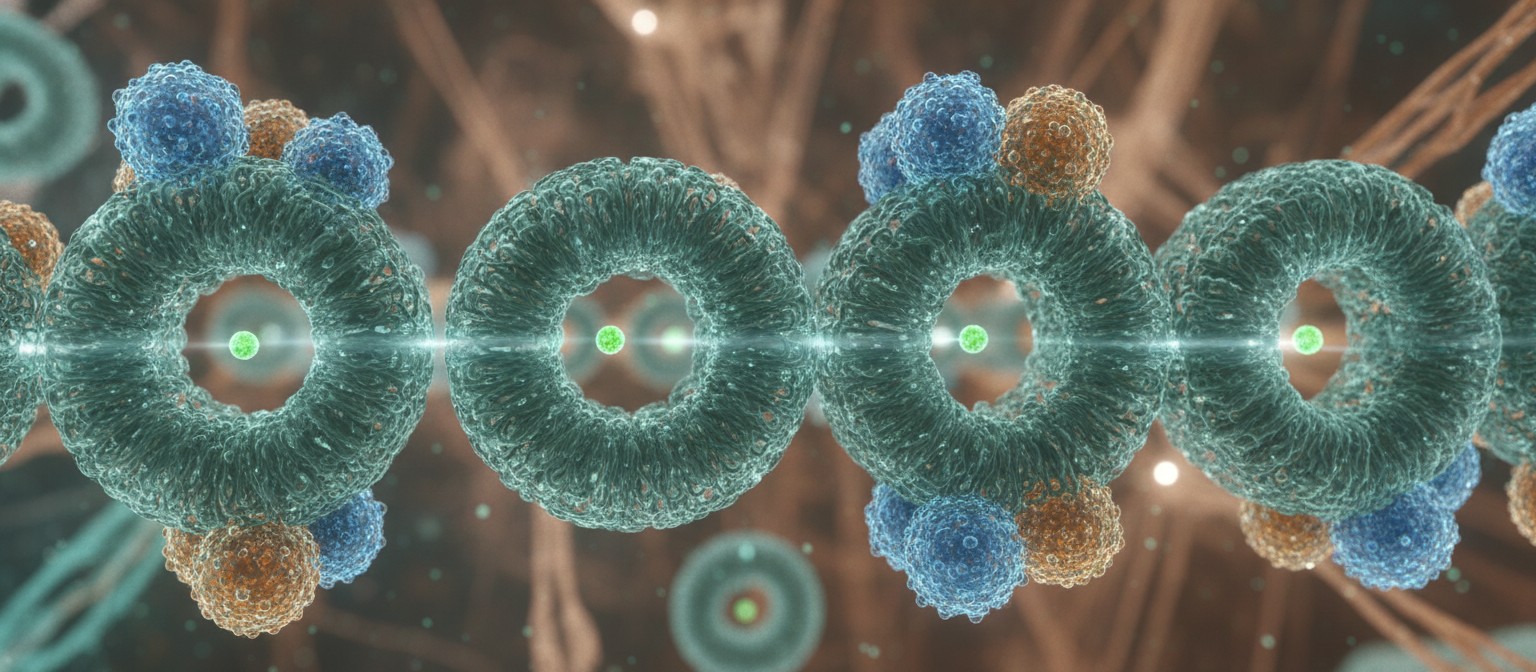
The design grew out of the Kumar lab’s earlier work on rare-earth separations. Instead of screening random materials, the group studied how ions interact with chemical groups at the channel mouth and tuned both the affinity and the confinement. Research scientist Harekrushna Behera put it plainly:
“We now have a toolkit rather than a one-off result,” said Harekrushna Behera, a research scientist in Kumar’s lab. “By understanding how ions interact with the chemical groups at the channel entrance, we can work toward designing more selective channels for lithium and potentially other critical minerals.”
That toolkit idea is important. If the entrance chemistry controls the choice, the same pillar scaffold could be retuned for cobalt, nickel, or other battery metals without starting over.
What 2-5x More Selective Actually Means in Numbers
Selectivity in membrane science is a ratio: how much more likely the channel is to move lithium than a rival ion under the same conditions. The paper reports conservative lower-limit estimates. The true values may be higher, but the team only claims what it can prove.
Overall the authors place these among the most selective artificial lithium channels reported, roughly two to five times better than other recent transporters, as shown in the chart.
Those numbers help explain the excitement. Sodium outnumbers lithium by orders of magnitude in seawater and many brines, so even small leaks ruin purity. In salt-lake brine the killer is magnesium, which behaves like lithium’s chemical twin because of a similar charge-to-size ratio. Our earlier look at how China cracks lithium-magnesium separation in salt lakes showed why that pair decides whether a deposit becomes a battery supply or an expensive puddle.
A practical note: laboratory selectivity in clean salt mixes is not the same as performance in real brine, where many salts, organics, and pH swings compete at once. The team is clear that tests in real brines at a larger scale are still needed.
Evaporation Ponds vs Direct Extraction: Where Nano-Channels Fit
Think of today’s lithium extraction landscape as two families with different flaws. Evaporation is simple and proven but slow, land-hungry, and wasteful. Direct extraction is fast and recovers more lithium but demands heavy chemistry and energy.
| Route | How it works | Typical lithium outcome | Main limitation |
|---|---|---|---|
| Solar evaporation ponds | Sun concentrates brine in stages while salts crystallize | 30 to 50 percent recovery over many months | Huge land footprint, water lost to air |
| Adsorption sorbents | Selective beads grab lithium, then release it with acid | High recovery, used at plant scale | Sorbent wear, acid and wash water use |
| Solvent extraction | Organic ligands shuttle target ions between phases | High throughput at volume | Large reagent volumes, phase separation waste |
| Channel membranes (new) | Electric field drives lithium through selective nano-pores | 2 to 5 times more selective than prior transporters in lab tests | Not yet proven in real brines or at scale |
The promise of channels is to keep the speed of direct extraction while cutting the chemical load. Carriers locked in a membrane do not need dosing with every batch the way liquid solvents do, and a sharper filter means fewer cleaning steps downstream. The vision is a continuous, solvent-free loop: brine flows in one side, lithium-enriched solution flows out the other, and the rest returns with far less evaporation.
That matters for US supply. Brine and wastewater routes are already moving, from sorbent plants pulling lithium from Permian Basin oilfield wastewater in Texas to geothermal brine projects at the Salton Sea. A membrane that tolerates messy, low-grade feeds could plug into those pipelines rather than replacing them. For a very different low-grade feed, read how researchers tried extracting lithium from seawater for batteries, where sodium outnumbers lithium by about 100,000 to one.
From Lab Films to Real Brines, Batteries and Recycling
So far the channels have been tested in controlled lipid and polymer films under an electric field. The next step is scale: packing millions of channels into larger, stable membranes made from interconnected cell-like layers that can be formed from lipids or plastic-like polymers.
“Lithium is in our phones, our cars and the power grid, but getting it out of the ground cleanly is still a hard problem,” said Manish Kumar, a professor in the Fariborz Maseeh Department of Civil, Architectural and Environmental Engineering and the McKetta Department of Chemical Engineering. “Our goal is a process that is faster, cleaner and easier to run.”
Three paths look most realistic if scale-up works:
- Brine and produced water: drop-in selective layers for direct extraction units treating salars, geothermal fluids, and oilfield water, where magnesium and calcium now force extra steps. Add-on polishing stages for existing plants could lift recovery without new ponds or wells.
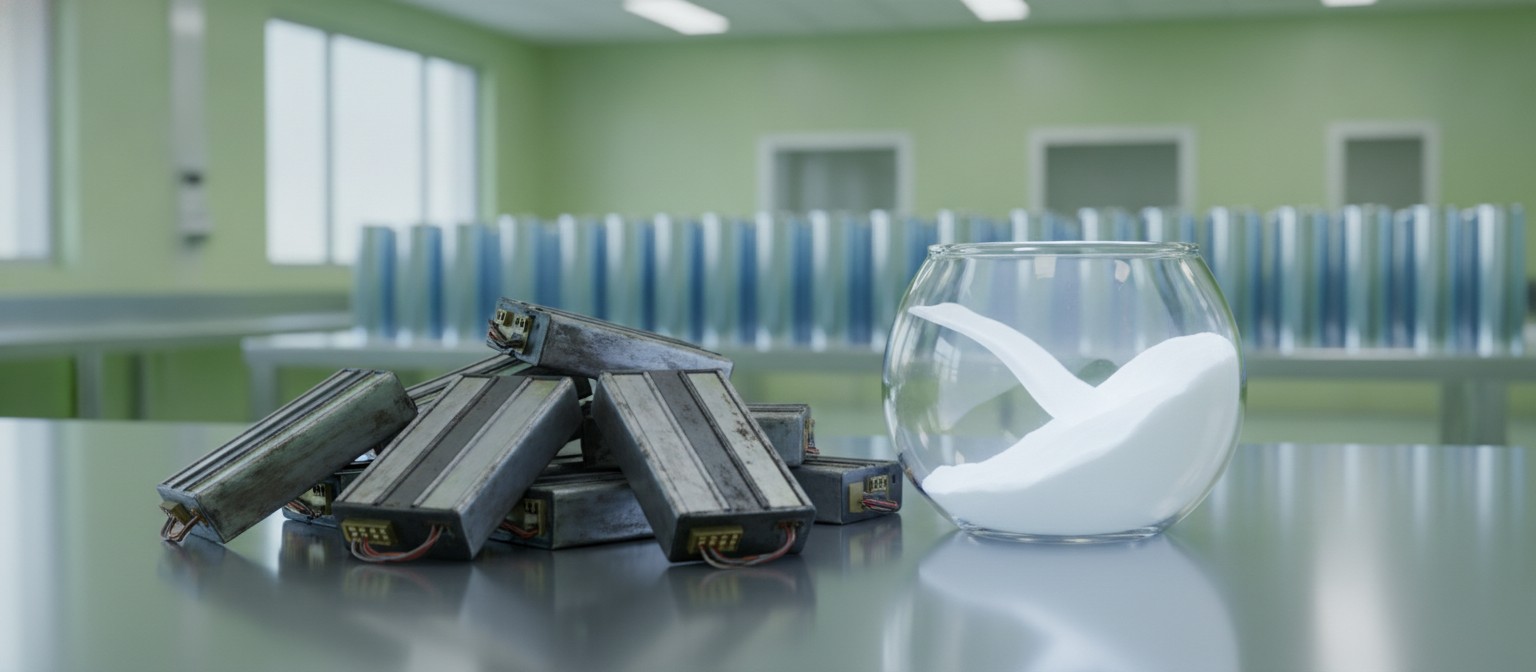
- Battery recycling: cleaner separation of lithium from shredded-cell leachates that contain nickel, cobalt, manganese, and fluorine residues, reducing acid and solvent demand.
- Battery separators: eventually, ion-selective layers inside the battery itself to improve safety and performance, although that is the most distant goal.
Why chase supply so hard? Because demand keeps rising with every EV and storage project. Our solid-state battery vs. lithium-ion comparison shows how next-generation cells could use lithium even more efficiently, but they still need a steady, responsible source of the metal itself. Cleaner extraction and better batteries are two halves of the same transition.
Frequently Asked Questions
How is lithium extracted from brine?
Operators pump lithium-rich brine from underground aquifers into evaporation ponds or directly into a treatment plant. Ponds rely on months of solar evaporation to concentrate salts, then a refinery converts the concentrate to lithium carbonate or hydroxide. Direct lithium extraction shortcuts the wait with sorbents, membranes, or electric fields that capture lithium selectively, as the comparison table above sets out.
How is lithium extracted from seawater?
Seawater holds far more total lithium than land, but at only about 0.2 parts per million and with 100,000 times more sodium competing for every binding site. Researchers have tested selective electrodes, titanium dioxide barriers and voltage cycling to enrich lithium over sodium. The Stanford approach covered in our seawater archive reached a one-to-one lithium to sodium ratio after ten cycles, but costs remain above land mining. Nano-channel membranes aim at the same selectivity problem with a purely physical filter.
How is lithium extracted from batteries?
Recyclers shred or discharge spent cells, leach the black mass in acid or other solutions, then separate lithium from nickel, cobalt, manganese, aluminum, and copper. High selectivity matters here too, because every extra impurity means extra purification. Channel membranes could one day polish those leachates with less solvent, complementing mechanical and hydrometallurgical steps.
Why is lithium extraction bad for the environment?
Impacts depend on route. Evaporative brine operations can consume large volumes of water in arid basins and alter freshwater and brine gradients that feed lagoons and wetlands. Hard-rock mining disturbs land and uses energy for crushing and roasting. Chemical routes add reagents and waste brines that must be managed. Reviews of brine life cycles stress that energy, reagents, and water use together decide the footprint, so a selective, low-reagent membrane only helps if it is powered cleanly and its waste streams are handled.
Which ions make lithium separation so difficult?
Sodium and potassium are monovalent rivals with similar hydrated sizes, so they try to follow lithium through any opening. Magnesium and calcium are divalent and grip water tightly, which makes them bulky in solution and chemically sticky. Real brines contain all four at once plus boron, sulfates, and organics, which is why laboratory tests in simple mixes must be followed by trials in real feeds.
The Bottom Line
UT Austin’s pillar[5]arene channels do not mine lithium by themselves. They offer a sharper filter for the step that makes every route expensive: choosing lithium while ignoring everything else. At two to five times the selectivity of recent artificial transporters, they set a new benchmark for what a synthetic pore can do.
Benchmarks become breakthroughs only at scale. Watch for three signals next: stable flux through real brines with many salts at once, membranes that survive weeks of continuous duty without fouling, and independent life-cycle numbers on water, energy and chemicals. If those land, cell-inspired pores could turn more of the world’s salty water, from salars to produced water to old batteries, into clean battery supply.


