
You know the feeling. You buy avocados on Monday. By Thursday they are brown mush. Cucumbers go soft in the crisper drawer. Standard cling film helps a little, but it is petroleum plastic with no germ-fighting power, and it lingers in landfill for decades.
A team at the University of Maryland may have a better answer. Chemical engineers led by Associate Professor Po-Yen Chen built an AI prediction plus robotic testing platform that designs biodegradable food wrap from natural ingredients. Their best formula kept avocados and cucumbers fresh about twice as long in lab tests. The work was published October 28, 2026, in Science Advances and reported by the University of Maryland Department of Chemical and Biomolecular Engineering.
What This Biodegradable Food Wrap Actually Did
Short version: it beat plain air and standard plastic in the tests UMD reported.
- Hass avocados wrapped in the bio-based film stayed fresh for seven days at room temperature, while unwrapped avocados spoiled.
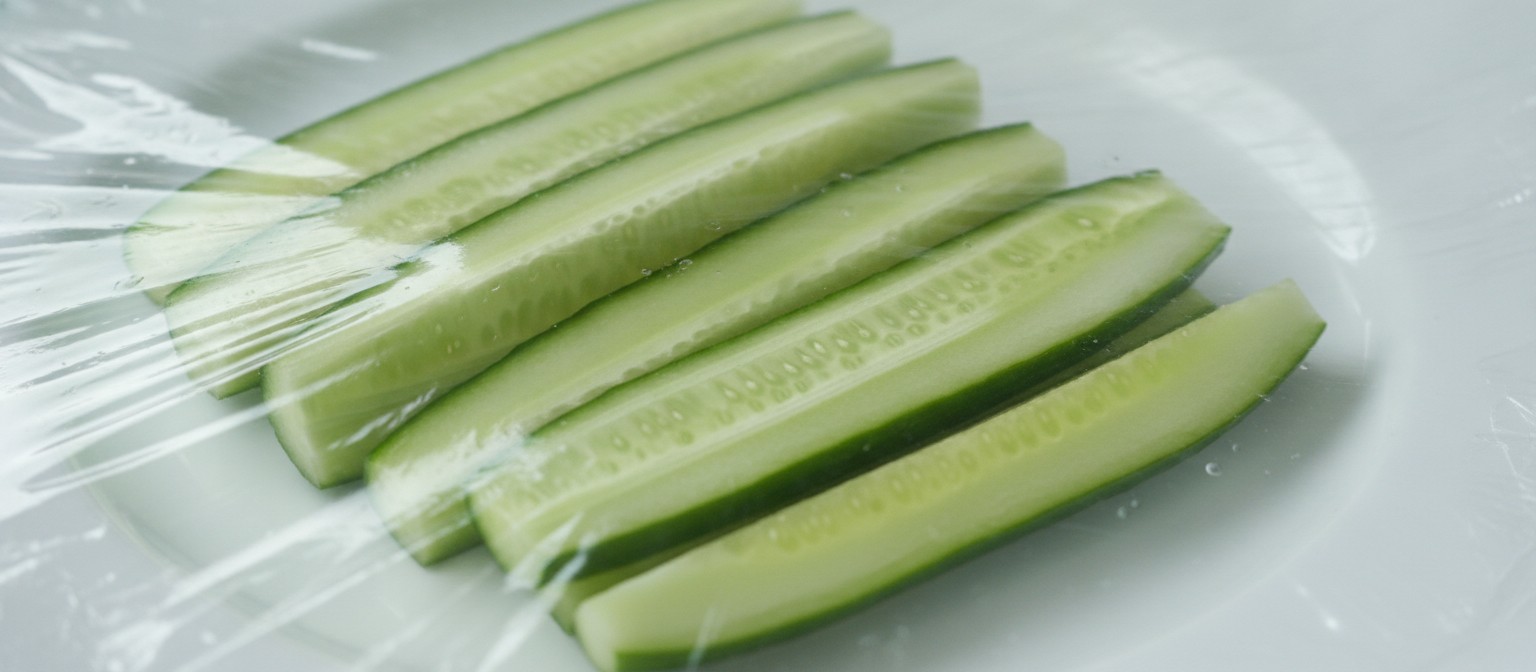
- Cucumbers in standard low-density polyethylene (LDPE) wrap showed significantly more spoilage by day 15 than cucumbers in the bio-based material.
- The film matched the mechanical strength of plastic wrap, so it handles like the cling film in your drawer.
Antimicrobial means it slows the growth of spoilage microbes on the food surface. Bioplastic here means a plastic-like film made from natural, bio-based ingredients rather than petrochemicals. Substrate just means the base material the film is made from.
How AI Skipped Years of Trial and Error
Finding a compostable cling wrap that is strong, clear, and keeps moisture in is brutally tedious. Chen has said testing every combination from a library of just 23 natural components, things like cellulose, gelatin, carrageenan, gluten, sorbitol, and glycerol, would take an impractical amount of time by hand.
Their shortcut works like this. A robot makes more than a thousand test films. An active learning model studies the results, then tells the robot which recipes to try next. A second model predicts the properties of more than a billion possible formulas. What would take months or years of bench work gets compressed into months.
The models work both ways. They predict strength and stickiness from a recipe, and they suggest natural ingredient swaps to hit a target property. The team has released the platform for other researchers to use.

Is Cling Wrap Biodegradable?
No. Standard cling wrap is not biodegradable. It is made from petroleum plastics such as LDPE or PVC. It does not break down in a home compost bin, and it offers no antimicrobial protection.
The UMD film is different in two ways. It is bio-based and biodegradable, and it carries antimicrobial action that standard wrap lacks. That second job matters. Less spoilage means less food waste, which matters as much as swapping the plastic itself.
Which Is Better, Biodegradable or Compostable?
Both beat petroleum cling film, but the words mean different things. Biodegradable means microbes can break the material down over time. Compostable means it breaks down under specific composting conditions into compost. UMD describes its film as biodegradable and bio-based. Home compost performance and exact breakdown timelines were not detailed in the UMD release, so treat backyard-bin claims as unproven until the paper or follow-up testing confirms them.
This is still lab research, not a product on shelves. The tests covered avocados and cucumbers under lab conditions, not a crowded home fridge full of leftovers. The team says it is working to extend the approach to more fruits and vegetables.
Why This Fits Your Kitchen
Food waste starts at home. An extra few days of freshness is the difference between guacamole and garbage. A bioplastic wrap that behaves like cling film but fights spoilage germs and breaks down afterward would solve two problems at once.
Related work at Intelligent Living shows how crowded this space is getting. Researchers previously made a biopolymer antimicrobial food wrap using turmeric, another team showed antimicrobial packaging that extends shelf life and cuts emissions from food waste, and IIT Madras researchers built an antibacterial biodegradable wrap that degraded 4 to 98 percent in 21 days depending on moisture. Shoppers will also see reusable beeswax wraps and PLA and PBAT compostable cling film on sale today. Those are existing products, while the UMD film is still lab research. The UMD advance is the design method: AI doing the boring recipe search so a compostable cling wrap can match plastic on strength and beat it on freshness.
What to Watch Next
Three questions will decide if this leaves the lab. Can it protect berries, leafy greens, and cut produce, not just thick-skinned avocados and cucumbers. What exactly provides the antimicrobial effect, and is it fully food safe at scale. And how fast does the film really biodegrade outside controlled lab conditions.
Until those answers land, the honest takeaway is simple. In UMD lab tests, an AI-designed biodegradable food wrap kept produce fresh about twice as long as the comparisons tested. That is a promising step toward a kitchen staple that wastes less food and less plastic.


