
Your commute decides more about your dental care than your willpower ever will. Nobody schedules a cleaning around a case of sudden discipline. They schedule it around a bus route that drops them within two blocks of the front door.
Move to Vancouver and you will feel this within the first month. East Van is a patchwork of streets with genuinely different daily rhythms, and the practical question of where the dental office sits relative to your life matters far more than the brand on the signage. Plenty of people stumble onto a clinic by accident and never think about the geography again. The better approach is to notice it on purpose, which makes booking your next appointment with an East Vancouver dentist a decision you actually understand rather than a task you got around to.
What a 15-minute commute actually does to your habits
Here is the pattern I keep seeing described by friends who relocate: they choose a dentist near their old apartment, keep the appointment for a year, then quietly stop going. Nothing dramatic happens. The trip just becomes a small friction, and small friction beats good intentions every single time.
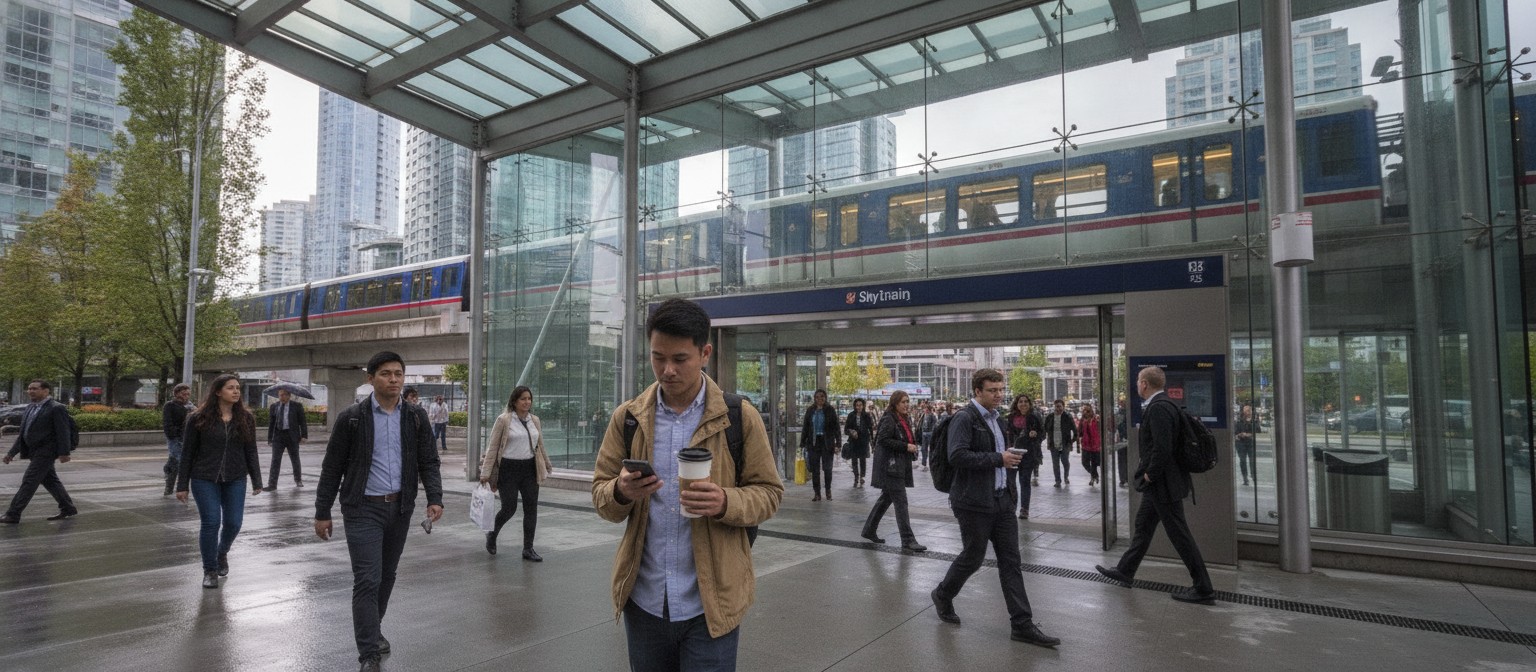
Say your office sits near Commercial Drive and you live out toward Renfrew. That is a short hop on the SkyTrain, but it is the transfer and the walk at each end that gets remembered. Shave ten minutes off the round trip, and the appointment turns into something you can slot between a coffee and a grocery run. Add twenty and it becomes an afternoon project, which is exactly the kind of thing that gets postponed until something hurts.
Distance is not the variable. Trip complexity is. A clinic two kilometres away with awkward parking can be harder to reach than one five kilometres out sitting directly beside a station entrance. Judge candidates by the actual door-to-door trip at the hour you would realistically travel, not by the map.
The five-minute radius test I would use
Try this before you commit to anywhere. It is a plain little exercise I call the errand overlay, and it is built entirely around overlap with the things you already do weekly.
- List the three places you visit most often: grocery store, gym, and a specific coffee shop, whatever they are.
- Open a map and mark a five-minute travel zone around each one.
- Check which dental offices fall inside at least one zone.
- Rank those offices only among themselves, then apply whatever other criteria matter to you.
- Pick the one that overlaps the errand you would least mind stacking an appointment onto.
Mine would come down to the grocery run, because I am there anyway on Saturday morning, and I would rather not invent a separate trip for anything. That is an opinion, not a rule. Yours might land on the gym, and the logic holds either way.
Neighbourhoods like Grandview-Woodland and Kensington-Cedar Cottage are dense enough that this exercise usually produces three or four candidates without much searching. Streets like Commercial Drive concentrate services along a single spine, which is why so many residents end up anchored to that corridor for everyday errands, dental visits included. It is not a coincidence. It is how walkable retail strips work.
Transit, parking, and the appointment you will actually keep
Some people will never take a bus to a dental appointment, and pretending otherwise is dishonest. If you are a driver, parking beats proximity, full stop. If you are a transit rider, a clinic near a station entrance beats a bigger office with a parking lot. If you walk, the whole question collapses into how pleasant the sidewalk is on a rainy February evening.
There is a broader urban pattern worth knowing here. According to Statistics Canada, nearly three in four Canadians (73.7%) lived in one of Canada’s large urban centres in 2021, which means most people are making these tradeoffs inside a dense grid rather than a sprawling one. Transit access is not a lifestyle preference in that setting. It is the default infrastructure your appointment has to fit into.
One more thing: test the trip once before you book. Ride the route or drive the parking situation at the hour you would actually go. It sounds fussy. It takes forty minutes and saves you from three years of mild annoyance.
Building a routine that survives a busy month
Getting there was only half the problem. The other half is building a rhythm that does not evaporate the moment work gets loud.
The people who actually keep regular appointments tend to share one trait: they stack the visit onto something that already repeats. Twice-yearly cleanings work beautifully when they are pegged to a predictable event, like the start of daylight saving or the week schools break for the summer. Vague intentions like “I should go soon” never survive contact with a packed calendar. Named dates do. That same stacking principle sits behind many modern wellness habits that last because they fit inside everyday living.
Preventive care has real backers for a reason. The World Health Organization describes oral health as integral to general health, not as a cosmetic afterthought, which is a polite way of saying that the boring checkup is the part that actually matters. People who go regularly also get their insurance claims, booking habits, and address updates sorted once rather than scrambling later.
What to ask on your first call
- Do you take my coverage, and can you confirm before I come in?
- What is the realistic wait for a first appointment?
- How early do you need to know if I have to reschedule?
- Is there a route from the nearest station you would recommend for someone new to the area?
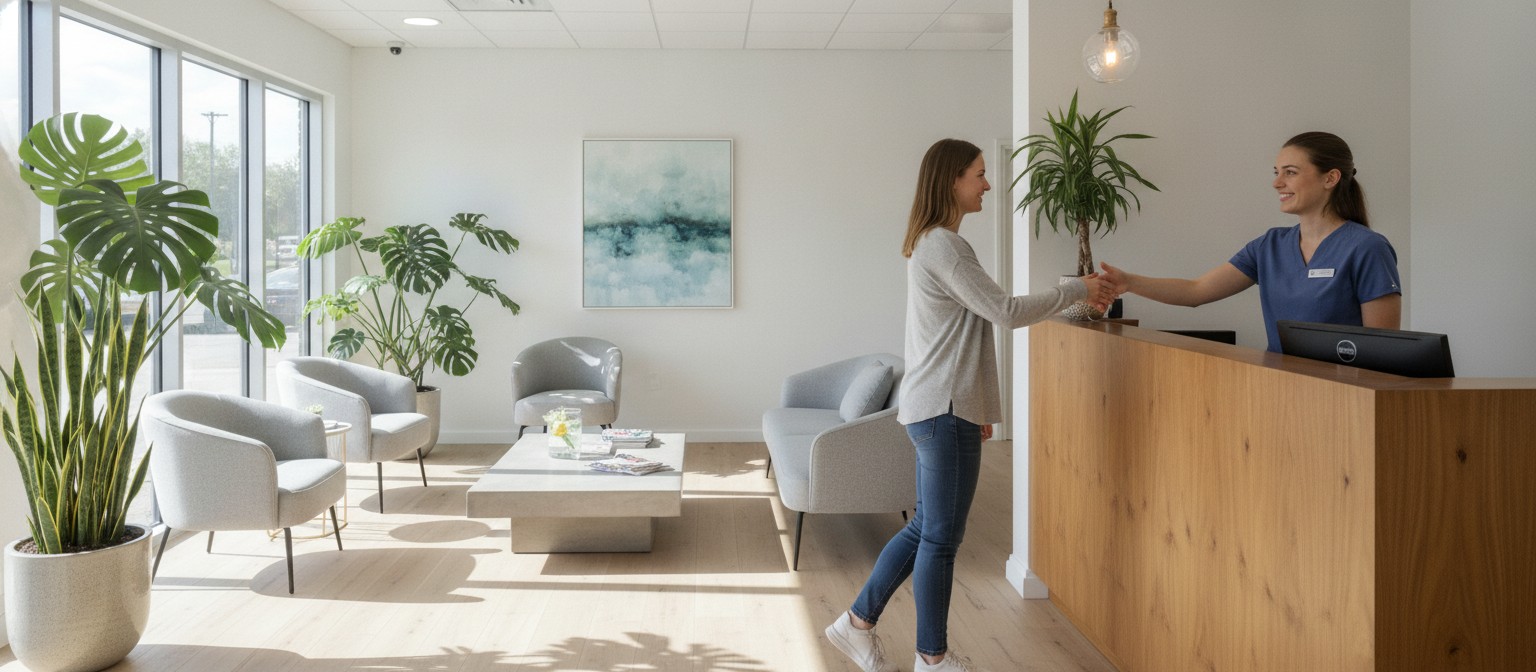
Those four questions tell you more about a clinic’s day-to-day than any website copy. A front desk that answers them in plain language is a front desk you will deal with comfortably for years.
When life moves and the geography shifts
Addresses change. Roommates move out, leases end, and a clinic that was perfect two neighbourhoods ago becomes a mild inconvenience. That is not disloyalty. It is arithmetic.
Regular care is linked to community-level habits as much as individual will, and the Centers for Disease Control and Prevention tracks oral health trends and disparities through its national surveillance work to understand how access shapes routine care across populations. Translate that to your own street: the office you can reach easily stays in your life, and the one you cannot does not.
So when you do move, run the errand overlay again. It takes ten minutes and saves you from the slow drift that turns a regular patient into a former one. And if you have landed somewhere new and the old clinic is now awkward to reach, just say so when you call to transfer records. Front desks handle that conversation constantly.
Closer geography, better habits
The neighbourhood you live in has been shaping this decision since before you noticed it. Distance, transit lines, parking, and errand overlap quietly decide whether a checkup in March happens or slides into next year, and no amount of determination outweighs a commute that grates on you twice a year.
Find the office that sits inside your existing routine rather than outside it, test the trip once, and stack the appointments onto things that already repeat. Then ask yourself honestly: if getting to the clinic was ten minutes easier, would that be the year you finally stopped putting it off? It usually is.


