
Small home upgrades can noticeably reduce electricity use without major renovations. Switching to LED lighting, cutting standby power with switchable power strips or smart plugs, choosing efficient appliances, washing laundry at lower temperatures and using timers or sensors for lighting all make a difference. Individually, each change may seem minor, but together they lower energy bills, reduce environmental impact and make homes more efficient. The best approach is to start with the devices used most often and build better habits around them.
The cheapest kilowatt-hour is the one you never use.
Why Small Changes Matter
Households use electricity in countless small ways throughout the day: lights, chargers, kitchen appliances, entertainment systems, routers and heating or cooling devices. Because these uses are spread out, it is easy to overlook how much they add up.
Improving efficiency doesn’t require sacrificing comfort. In many cases, modern devices deliver the same or better performance while using far less energy. For renters and homeowners alike, small upgrades are often the fastest and most affordable way to start.
National programmes and consumer bodies publish guidance on household energy use, covering everything from appliance labelling to everyday habits. In Switzerland, for instance, the federal programme EnergieSchweiz sets out practical advice along the same lines as the steps below.
Switch to LED Lighting
Lighting is one of the simplest places to begin. LED bulbs use significantly less electricity than traditional incandescent bulbs and last much longer, reducing both energy use and replacement costs. The UK’s Energy Saving Trust puts lighting at around 11% of a typical household’s energy consumption, so swapping the bulbs in the most-used rooms is rarely wasted effort. As one guide to energy-efficient home upgrades puts it, swapping incandescent bulbs for LEDs has become routine, yet the savings remain real.
When choosing LEDs, consider:
- Brightness, measured in lumens rather than watts
- Colour temperature, with warmer tones for living spaces and cooler tones for workspaces
- Dimmable options where needed
- Fitting type, to match existing lamps
LED strips and smart bulbs can also add flexible lighting without increasing energy use dramatically.
Tackle Standby Power
Many devices continue drawing electricity even when they appear to be switched off. Televisions, game consoles, printers, chargers and kitchen appliances can all consume standby power.
Simple solutions include:
- Switchable power strips that turn off several devices at once.
- Smart plugs with schedules or remote control.
- Unplugging chargers when not in use.
- Checking device settings for energy-saving modes.
- Turning off routers or entertainment systems overnight where practical.
Reducing standby consumption is one of the easiest ways to cut wasted energy. Experts across the International Energy Agency’s 4E Standby Power Annex estimate standby at roughly 10% of residential electricity use, with at least half of that energy wasted, which is why the agency’s 1-watt initiative pushes manufacturers towards lower standby consumption.

Standby draw is small per device, but it runs around the clock, so the savings build quietly on the monthly bill.
Choose Efficient Appliances
When replacing appliances, energy efficiency should be part of the decision. Energy labels help compare models, showing how much electricity a device is expected to use.
| Appliance | What to look for | Efficiency tip |
|---|---|---|
| Refrigerator | High efficiency rating and right size | Avoid placing it near heat sources |
| Washing machine | Efficient wash programmes | Use full loads and lower temperatures |
| Dishwasher | Eco mode and good rating | Run only when full |
| Kettle | Accurate water level markings | Boil only the water you need |
| Television | Energy-efficient display settings | Lower brightness when possible |
| Vacuum cleaner | Efficient motor and good filtration | Clean filters regularly |
Buying the right size appliance also matters. A larger device than necessary often uses more electricity without adding real value. EU Ecodesign rules have already moved the market: the average washing temperature in Europe fell from 56°C in 1990 to 40°C in 2020 as machines and programmes became more efficient.
Rethink Laundry Habits
Washing and drying clothes can account for a meaningful share of household electricity use. Small adjustments help:
- Wash at lower temperatures when clothes are only lightly soiled.
- Use eco programmes, even if they take longer.
- Run full loads to reduce the number of cycles.
- Air-dry clothes whenever possible.
- Clean lint filters to keep dryers efficient.
Modern detergents are designed to work well at lower temperatures, making this an easy change. The Energy Saving Trust estimates that washing at 30°C instead of higher temperatures, alongside one fewer cycle a week, can trim a household’s annual energy bill by a noticeable margin, and wet appliances together account for nearly 10% of a typical household’s energy bills.

Use Timers and Sensors
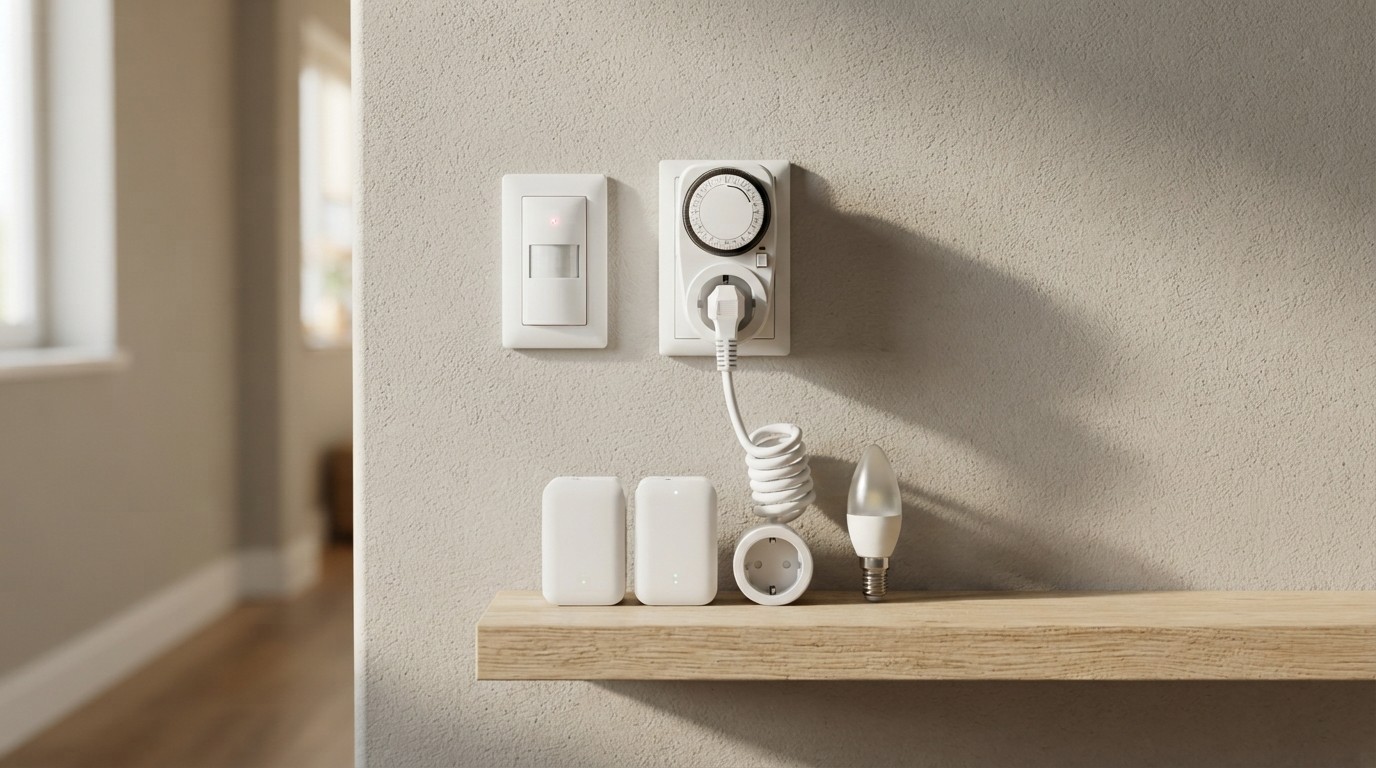
Automation can prevent energy from being wasted when nobody is using it. Motion sensor lights work well in hallways, garages and outdoor spaces, while timers help control devices that don’t need to run all day.
For outdoor areas, solar-powered garden lights offer another option. They charge during the day and provide light at night without drawing electricity from the home.
Start With the Most-Used Devices
Rather than replacing everything at once, focus on items used most often. Lights in busy rooms, entertainment systems and frequently used kitchen appliances usually offer the biggest opportunities.
Many energy-saving products are inexpensive and easy to install, and most are stocked by general household retailers rather than specialist suppliers. Swiss households can find such everyday categories as LED lighting, electronics, household items and garden products at online shops including pandaloo.ch, so the practical upgrades described above are not hard to source.
Build Better Energy Habits
Technology helps, but habits matter just as much. Small routines can make a lasting difference:
- Switch off lights when leaving a room.
- Use natural daylight whenever possible.
- Close curtains at night in colder months to retain heat.
- Avoid overfilling kettles.
- Defrost freezers regularly if needed.
- Review electricity bills to spot changes in consumption.
Involving everyone in the household makes these habits easier to maintain.
Common Mistakes to Avoid
People sometimes reduce the impact of energy-saving efforts by:
- Buying efficient devices but keeping old ones running
- Choosing appliances that are too large
- Ignoring standby power
- Focusing only on expensive upgrades
- Forgetting regular maintenance
Small Steps, Lasting Savings
Lowering household electricity use doesn’t require a complete home makeover. LED lighting, smarter power management, efficient appliances and better habits can all contribute to a more energy-efficient home.
Each change may seem small on its own, but together they can reduce costs, support sustainability goals and make everyday living more efficient.


