
Artificial intelligence is changing how businesses collect information, understand customer behavior, and make decisions. AI models depend on large amounts of data to learn patterns, improve accuracy, and deliver useful results. However, collecting reliable data from different online sources is not always easy.
Websites often apply restrictions, monitor repeated requests, or limit access from certain IP addresses. These challenges can affect the quality of data used to train and operate AI systems.
This is where mobile proxies can help. Mobile proxies allow AI developers to access online information through real mobile IP addresses. They provide better flexibility, support data collection, and help reduce common access problems.
Why Mobile Proxies Matter for AI Models
AI models need accurate and diverse information to perform well. Whether they are used for machine learning, market research, or customer analysis, the quality of their results depends heavily on the data they receive. Mobile proxies can make this process smoother by offering access through mobile network connections.
Access to More Diverse Data
AI models become more effective when they learn from different types of information. Mobile proxies allow developers to access websites from various locations and mobile network environments. This helps collect diverse data for training and testing. For example, an AI system designed to analyze shopping trends may need information from different regions. Mobile proxies can help researchers understand how product prices, search results, and customer preferences vary between locations.
Reduced Risk of IP Blocking
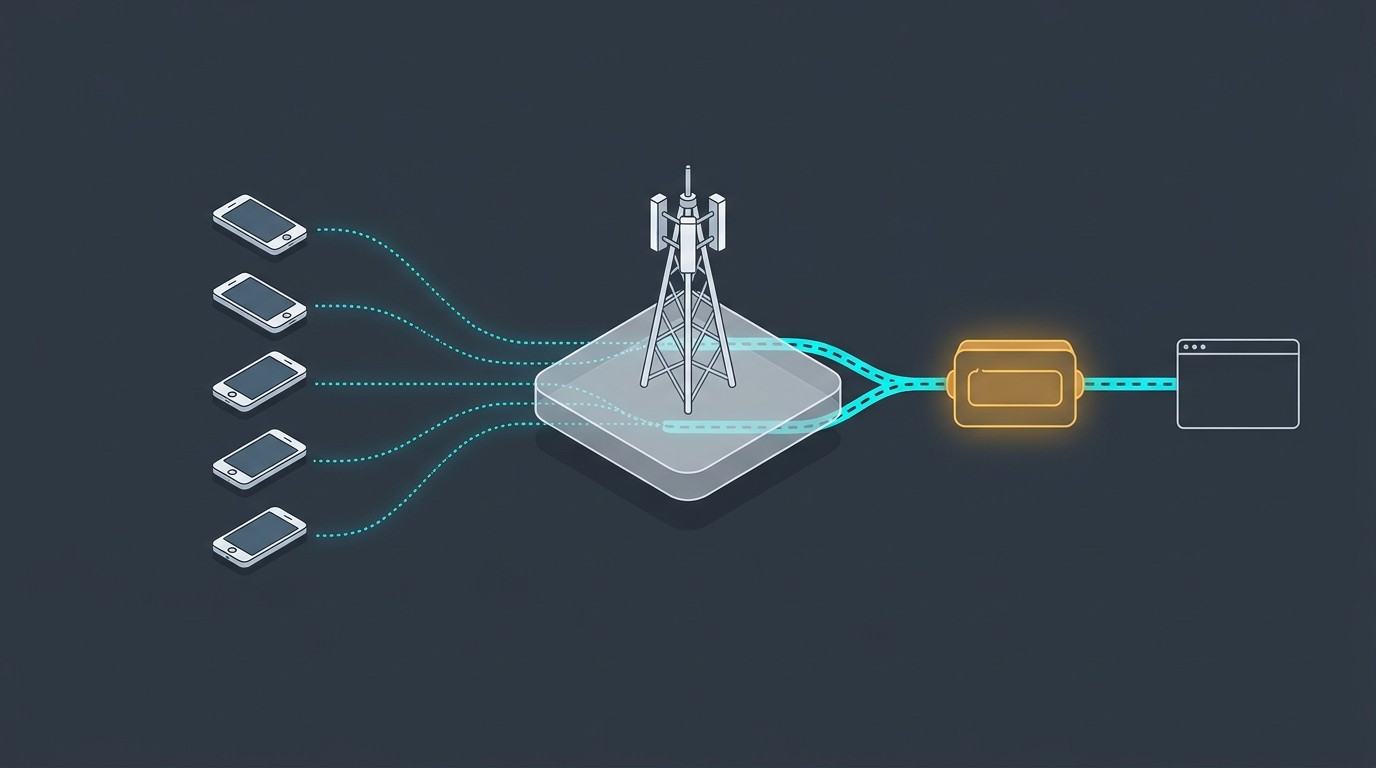
Websites often monitor unusual traffic patterns. When too many requests come from one IP address, they may temporarily block access or introduce additional verification steps. Mobile proxies use IP addresses assigned by mobile network operators. Because carriers route many subscribers through a single address using carrier-grade network address translation, these connections can appear more like ordinary mobile traffic. This can reduce certain access issues when requests are made responsibly. However, it does not guarantee that websites will never block or restrict connections.
Better Testing of AI Applications
AI developers need to test their applications in different environments before making them available to users. Mobile proxies help simulate access from different mobile networks and locations. This allows teams to check whether their AI-powered applications deliver consistent results across regions, devices, and network conditions.
Mobile Proxies in Real-World AI Applications
The connection between mobile proxies and artificial intelligence goes beyond basic data collection. They can support several practical activities that help businesses improve their digital operations. For example, e-commerce companies can use them to study product availability, compare regional prices, and understand how online shopping experiences differ between locations. Similarly, marketing teams can analyze publicly available search results and advertising trends. Mobile proxies also support localized testing. An AI application may produce different results depending on the user’s location. Testing through mobile IP addresses from different regions helps developers identify these differences and improve performance.
Improving Data Collection and Research
Data collection is one of the most important parts of developing an AI model. If the information is incomplete, outdated, or limited to a single source, the model may struggle to produce accurate results. Mobile proxies help researchers access publicly available information from different locations and network environments, building on the same principles behind scraping data with ISP proxies. This can make research more representative of real-world conditions. For instance, a company developing an AI-powered travel recommendation system may need information about hotel prices, local services, and travel trends across different countries. Mobile connections can help researchers observe region-specific results. However, developers should always follow website terms, privacy regulations, and applicable data protection laws when collecting information.
Supporting Better Performance and Scalability
As AI projects grow, their data requirements also increase. A small project may need information from only a few websites, while a large AI platform may process requests from multiple sources every day. Mobile proxies can help distribute requests across different IP addresses and network connections. This provides additional flexibility when managing large research and testing activities. They can also help developers identify performance differences between mobile networks. Understanding these differences is useful when building AI applications that need to work smoothly for users in different locations. Choosing a reliable proxy provider is important. Connection stability, location coverage, speed, and responsible IP management should all be considered before selecting a service.

Conclusion
Artificial intelligence depends on quality data, reliable testing, and access to different online environments. Mobile proxies can support these requirements by helping developers collect diverse information, reduce certain IP-related access problems, and test applications across different locations and mobile networks. For businesses, that means a clearer view of how proxy technology fits into modern AI development. Although mobile proxies are not a replacement for good data practices or effective machine learning methods, they can be a valuable part of a well-planned AI workflow. When selected and used responsibly, they help developers build more flexible, adaptable, and reliable AI applications.


