
A couple of weeks ago, Germany’s Svevind announced plans for a colossal green hydrogen project in Kazakhstan that will place about 45 gigawatts of solar and wind energy generation on the country’s vast steppes to produce about three million tons of green hydrogen annually. It was the world’s biggest green hydrogen project until now.
The Western Green Energy Hub (WGEH) in Western Australia wants to top it by deploying 50 GW of wind and solar generation to produce either 3.5 million tons of green hydrogen or 20 million tons of ammonia annually.

The monster project would surpass the biggest green hydrogen plant in the world today by a landslide. Air Liquide’s facility in Canada marshals just 20 MW of peak electrolyzing capability, and the Svevind project plans to run 30 GW of electrolyzers. If WGEH comes to pass, it will underscore the massive paydays that the green energy industry foresees in green energy exports.
Storing and releasing green energy in batteries is more efficient and less wasteful than hydrogen. Still, they don’t provide enough energy density for many heavy-duty applications like steel production, shipping, long-haul trucking, and aviation. With the world aiming to decarbonize by 2050 altogether, all form of green energy is required.
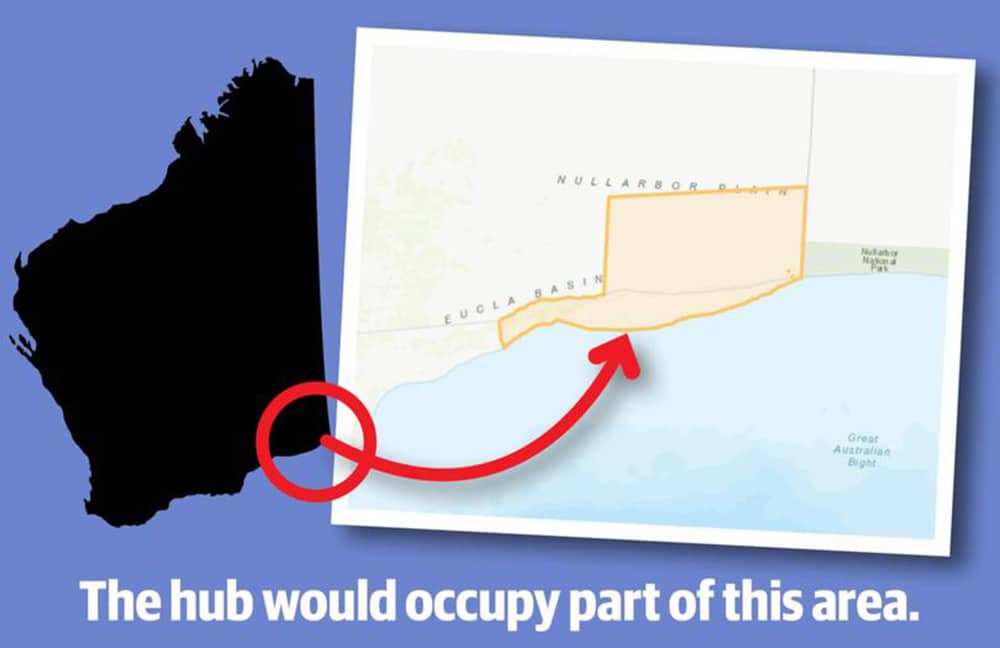
The new hub would occupy around 15,000 square kilometers (5,800 sq mi) of primarily red, rocky desert in the southeast of Western Australia, near Kalgoorlie. There, it will take advantage of the state’s excellent solar and wind potential.
The developers (InterContinental Energy, in partnership with CWP Global and the Mirning People – the native title holders of the region) plans to divide the construction into phases, initiating each one as demand for green fuels increases. However, progress in getting WGEH running isn’t expected to be quick. A final investment decision is expected to take place after 2028.


