
Picture stepping into your backyard and being greeted by a thriving oasis of verdant greenery and bountiful harvests. Imagine cultivating your own floating gardens, reminiscent of the ancient Aztec civilization, and reaping the rewards of sustainable self-sufficiency. These floating agricultural marvels, called Chinampas, were a testament to the Aztecs’ unwavering ingenuity and offer valuable lessons for modern homesteaders seeking to live off the land.
In this DIY guide, we invite you to immerse yourself in the extraordinary world of Aztec-style Chinampas and discover how you can build your own floating oasis near water sources. Channeling the spirit of gonzo-style journalism, we’ll unravel the origins of the Aztec civilization, explore the wonders of ancient Aztec farming techniques, and dive into the remarkable concept of Chinampas. Let’s unearth the secrets of these floating wonders and unlock the potential for a sustainable and abundant future on your homestead.
I: Unearthing the Origins: A Glimpse into Aztec Civilization
Long before modern agricultural practices, the Aztecs thrived in Central Mexico, establishing one of the most advanced and sophisticated civilizations of their time. Their ingenuity was not limited to architecture or governance; they perfected the art of agriculture, paving the way for a prosperous society.
The Aztecs recognized the importance of maximizing limited arable land, leading them to develop unique farming techniques that revolutionized food production. Among their pioneering practices, the creation of Chinampas stands in a league of its own. These floating agricultural islands were a testament to the Aztec’s impressive engineering skills and their deep understanding of nature’s yield.

The Magic of Chinampas
Picture a network of lush green islands gently floating atop serene water bodies, teeming with flourishing crops. The magic of Chinampas lies in their construction and irrigation systems, which sustainably combined land and water resources.
Wooden Frames Develop Land
Chinampas were created by building rectangular frames using woven willow branches, which were then filled with layers of mud, lake sediment, and decaying organic matter. These frames were anchored to the lake or riverbed and allowed to float, creating a stable foundation for agricultural activity.
Intricate System of Canals
An intricate system of canals and waterways kept the Chinampas hydrated, ensuring a steady flow of nutrients to the crops. By harnessing the natural fertility of the water bodies and efficiently managing water resources, the Aztecs achieved remarkable agricultural productivity.
Massive Agricultural Benefits
The benefits of Chinampas extended far beyond increased crop yields. Just like modern vertical gardening, they conserved water, prevented soil erosion, and had a low environmental impact compared to conventional farming methods. Chinampas were also renowned for their adaptability to various environments, making them a viable solution for homesteaders situated near water bodies.
As we journey deeper into the world of Chinampas, we will uncover the secrets of their construction, dive into their irrigation systems, and explore the countless benefits they offer to modern homesteaders. Get ready to step back in time and embrace the ingenious wisdom of the Aztec civilization as we embark on this transformative DIY adventure.

II: Preparing the Canvas: Selecting the Ideal Location
Locating your homestead near a reliable water source is crucial for the successful implementation of Aztec-style Chinampas. Whether it’s a nearby river, lake, or pond, proximity to water ensures a consistent supply for your floating oasis. This means, similar to hydroponics, you’ll have access to water for irrigation, replenishment, and maintaining the ecological balance of your Chinampas.
Evaluating the Terrain
When selecting the ideal location for your Chinampas, several factors must be considered to ensure their viability. First and foremost, you’ll want to examine the soil quality in the vicinity of your chosen water source. The soil should be fertile and capable of supporting the growth of a wide range of crops.
Account for Proper Soil Drainage
Additionally, you’ll need to evaluate the drainage capabilities of the area. Poor drainage can lead to waterlogging, which can be detrimental to the health of your Chinampas. Look for areas with good natural drainage or consider implementing drainage systems to prevent water from stagnating and causing damage to crops.
Chinampas Should be Accessible
Accessibility is another crucial consideration. You want to ensure that your chosen location is easily reachable. This will make it easier to transport materials, tools, and crops to and from your Chinampas. A well-connected location will also enable you to share the abundance of your harvest with your community, fostering a spirit of collaboration and sustainability.
Successful Construction
Taking the time to carefully evaluate the terrain will set the stage for a successful Chinampa construction process. By selecting a location with the right soil, proper drainage, and easy accessibility, you’ll be one step closer to creating your very own floating paradise.

III: Laying the Foundation: Constructing Your Chinampa
Before you embark on the construction process, it’s important to gather all the necessary tools and materials. While some items can be easily found in your local hardware store, others may require a bit of creativity and resourcefulness. Here are some essential tools and materials you’ll need to get started.
Gathering the Tools of the Trade
Keep in mind that Aztec-style Chinampas were built using readily available materials in their environment. Feel free to adapt the list according to what you can find locally, reducing environmental impact and promoting sustainable practices.
Flexible Woody Materials
Sturdy willow branches or other flexible woody materials for constructing the frame of your Chinampas. These materials are carefully selected to create the resilient foundation of your Chinampas, providing the necessary strength, flexibility, and durability required to withstand the natural movements of the water and support the weight of the soil and crops, ensuring the long-lasting structure of your floating oasis.
Heavy Natural Objects
Logs, stones, or other heavy objects to serve as anchors to keep the Chinampas in place. When strategically positioned, they act as stable anchors, serving to anchor the Chinampas firmly in place, ensuring their stability and preventing any disruption caused by the gentle currents of the water, allowing for a secure foundation for your flourishing floating oasis.
Boards or Planks
Straight boards or planks for creating walkways or edges. They won’t only provide structural support and easy access to your floating oasis but also align with your commitment to sustainable practices, reducing environmental impact and giving new life to old materials in harmony with the ethos of your Aztec-inspired Chinampas.

Modern or Natural Barriers
Heavy-duty plastic sheeting or pond liner to prevent water leakage. These handy materials serve as a dependable barrier to prevent water leakage and also ensure the longevity and structural integrity of your Chinampas, allowing for a sustainable and resilient floating oasis that can withstand the test of time.
Alternatively, for a more natural approach, you can use clay as a barrier instead of heavy-duty plastic sheeting or pond liner. Clay provides an environmentally friendly option that allows the Chinampas to blend harmoniously with nature while still offering effective water retention and preventing any unwanted leakage.
Your Growing Media
Soil, compost, and organic matter for filling the Chinampas and providing nutrients to your crops. Organic matter is an essential component that provides the necessary nutrients, moisture retention, and microbial activity required to create an ideal growing environment, fostering robust root development and vibrant plant growth in your Chinampas.
Tools for Gardening
Essential hand tools such as shovels, hoes, rakes, and scissors for maintenance and harvesting. These essential hand tools are instrumental in maintaining the health of your Chinampas, enabling you to tend to the soil, control weeds, and delicately harvest your crops with ease, ensuring the continued success of your floating oasis.

Building Your Floating Oasis
Now that you have all the necessary tools and materials, it’s time to start building your Chinampas. The construction process can be broken down into several key steps:
1. Frame Construction
Begin by forming rectangular frames using sturdy willow branches or flexible woody materials. Secure the corners using natural twine or sturdy ropes. Adjust the size of the frames based on the available space and your requirements.
2. Anchoring
Position the frames in your chosen location and anchor them using heavy objects such as logs or stones. This will stabilize the structure and prevent it from drifting away.
3. Lining the Frames
Line the inside of the frames with heavy-duty plastic sheeting or pond liner, ensuring proper coverage to prevent leakage. Trim any excess material, leaving a few inches to overlap the top edges of the frames.
4. Filling and Leveling
Fill the lined frames with soil, compost, and organic matter. Level the mixture evenly across the frames, creating a stable base for planting.

5. Irrigation Channels
Create channels within the Chinampas to establish a proper irrigation system. These channels will allow for the controlled flow of water throughout the frames, providing moisture and nutrients to your crops. Dig shallow canals or use PVC piping to connect the frames and ensure uniform watering.
6. Selecting Planting Areas
Divide the Chinampas into different planting areas. Consider the needs and growth habits of your chosen crops. Group plants with similar water and sunlight requirements together, allowing for easier maintenance and efficient water distribution.
7. Planting
Now comes the exciting part—planting your chosen crops in the prepared soil. Carefully sow seeds or transplant seedlings into the designated planting areas. Follow the specific planting instructions for each crop, ensuring proper depth and spacing.
8. Mulching
Apply a layer of mulch over the soil to help retain moisture, suppress weeds, and regulate soil temperature. Organic materials such as straw, hay, or wood chips work well for mulching and contribute to the overall health of your Chinampas.
9. Maintenance
Regularly monitor your Chinampas for signs of pests, diseases, or nutrient deficiencies. Take the time to remove weeds and ensure adequate water levels in the irrigation channels. Prune and harvest your crops as needed, enjoying the rewards of your hard work.
IV: Nature’s Green Canvas: Cultivating Your Chinampas
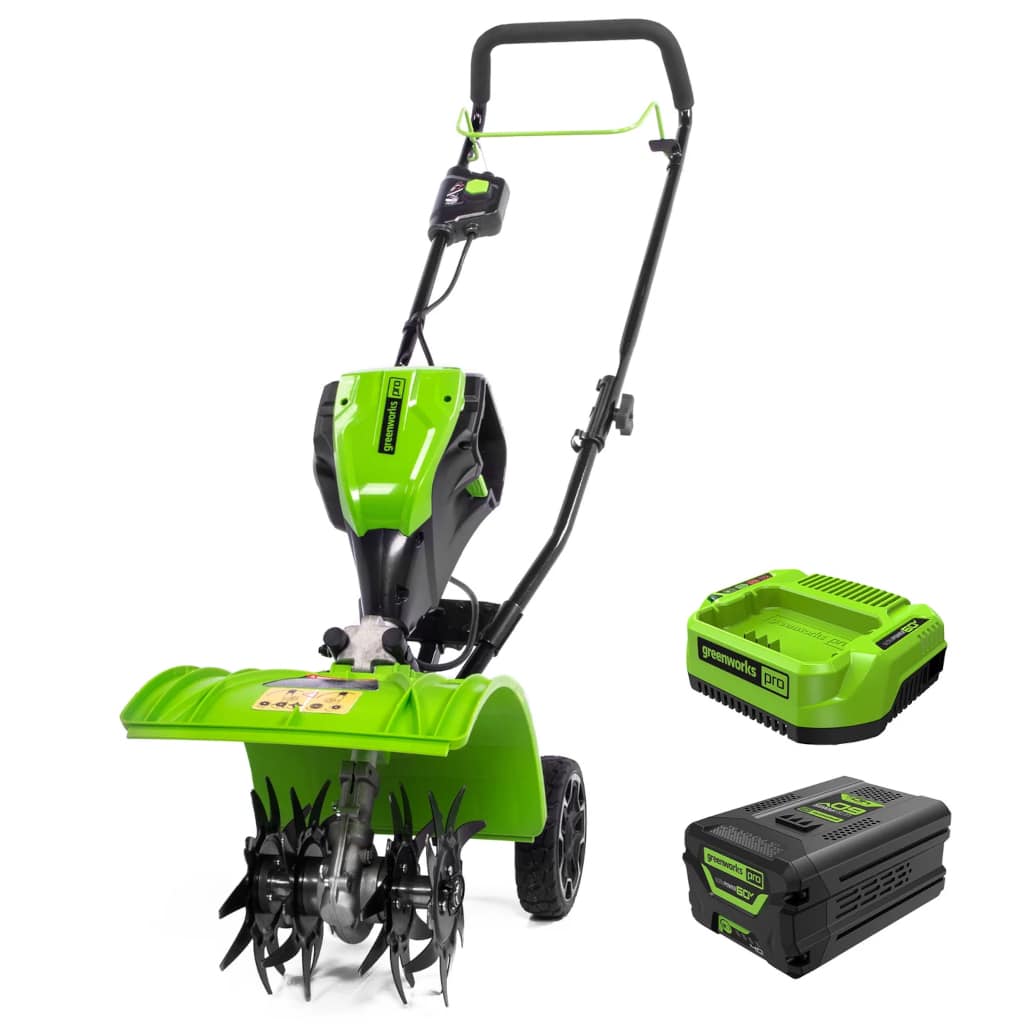
Now that your Chinampas are constructed, it’s time to prepare the soil for cultivation. Proper soil preparation is essential for ensuring healthy and productive crops. Here are some steps to follow:
1. Weed Removal: Before planting, remove any weeds or unwanted vegetation from the soil. This will prevent competition for nutrients and create a clean canvas for your chosen crops.
2. Adding Organic Matter: Enhance the fertility of the soil by incorporating organic matter such as compost or well-rotted manure. This will increase the nutrient content and improve the soil’s structure, allowing for better water retention.
3. Checking for Soil Adequacy: Test the soil pH and ensure it falls within the appropriate range for the crops you wish to grow. If necessary, make any required adjustments using organic additives to create an optimal growing environment.

Choosing the Right Crops
One of the greatest advantages of Chinampas is their versatility in growing a wide variety of crops. Consider your local climate, available growing season, and the specific requirements of each plant. Here are some crop options that thrive in Chinampas:
1. Leafy Greens: Lettuce, spinach, Swiss chard, and kale are excellent choices for Chinampas due to their high water content and ability to grow in aquatic environments.
2. Herbs: Basil, mint, cilantro, and parsley can add flavor and freshness to your meals. These herbs have shallow root systems, making them ideal for Chinampas.
3. Root Vegetables: Carrots, radishes, and onions can be grown in Chinampas, provided the soil is loose enough for their roots to penetrate.
4. Fruiting Plants: Tomatoes, peppers, and cucumbers can thrive in Chinampas as long as they receive enough sunlight and support for vertical growth.
Remember, diversity is key to a successful floating garden. By incorporating a wide range of crops, you’ll not only maximize your yield but also ensure a balanced ecosystem that promotes natural pest control.

V: Nurturing the Oasis: Sustaining Your Chinampas
Water management is paramount to the success of your Chinampas. Pay close attention to the water levels and ensure a consistent supply for your crops. Here are some key considerations:
1. Monitoring Water Levels: Regularly check the water levels in your Chinampas. Maintain a balance by ensuring they are neither too high nor too low. Excessive water can suffocate the roots, while insufficient water can lead to dehydration.
2. Water Circulation: Establish channels or small channels to allow water to flow freely through your Chinampas. This promotes oxygenation and nutrient distribution to the root systems, fostering healthier and more robust plant growth.

Pest Control and Maintenance
To keep your Chinampas thriving, it’s important to address potential pest infestations and perform regular maintenance. Here are some tips:
1. Organic Pest Control: Embrace natural and organic methods to control pests. Introduce beneficial insects like ladybugs, praying mantises or lacewings to prey on harmful pests. Additionally, practice companion planting to repel pests and attract beneficial insects.
2. Weed Management: Regularly remove any weeds that may grow in your floating gardens. This prevents them from competing with your desired crops for nutrients and space.
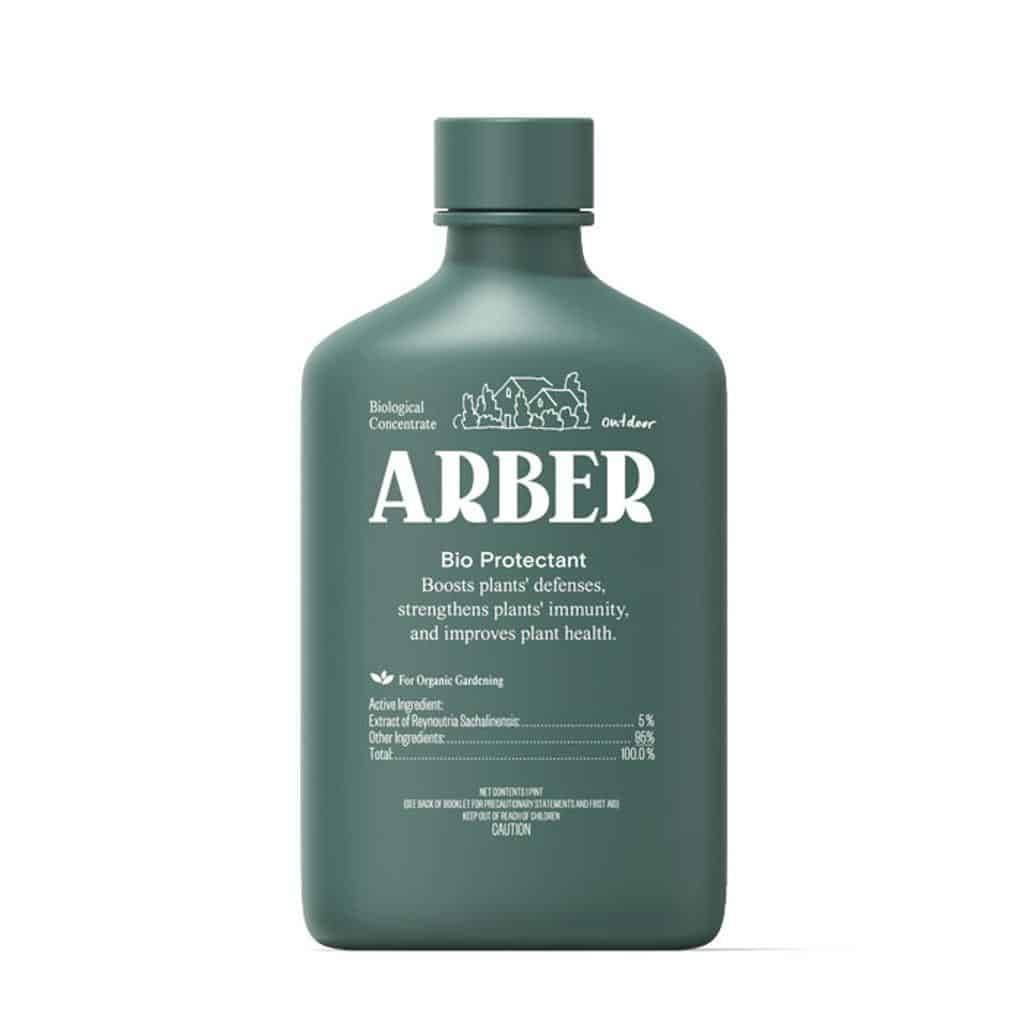
3. Composting: Maintain a composting system to recycle organic waste and generate nutrient-rich compost. This organic fertilizer can be applied to your Chinampas periodically to replenish nutrients in the soil.
Remember to observe your Chinampas regularly, address any concerns promptly, and celebrate the satisfaction of seeing your hard work bear fruit. With proper care and attention, your floating oasis will continue to provide a sustainable and abundant harvest for years to come.
Conclusion
Congratulations! You have embarked on a remarkable journey into the ancient world of Aztec-style Chinampas, harnessing their wisdom and adaptability to create a sustainable and bountiful oasis on your homestead. The Aztecs were pioneers in agriculture, and their ingenious techniques continue to inspire us today.
By building your own floating gardens, you have tapped into an age-old solution for sustainable food production and self-sufficient living. Chinampas serves as a testament to the power of innovation, resourcefulness, and a deep connection with nature. As you witness your plants flourishing on these floating islands, you become part of a legacy that transcends time and bridges the gap between ancient wisdom and modern-day challenges.
The significance of your journey lies in reclaiming ancient wisdom and implementing it in your own backyard. Through careful planning and construction, your Chinampas not only provide a bounty of fresh produce but also foster biodiversity, conserve water, and promote sustainable practices. You’re part of a global movement towards sustainable living and food security.
As you nurture your floating oasis, celebrate the abundance it yields and share your experiences with others. By embracing the lessons of the Aztecs and the challenges of the present, you shape a more resilient, nourished, and sustainable future. Let your floating gardens be a beacon of hope, inspiring others to reimagine their own homesteads as flourishing havens of self-sufficiency and environmental harmony. Embrace the power within you and create a future where ancient wisdom meets modern vitality.
Disclosure: This post contains affiliate links, which means we may receive a commission if you click a link and purchase something that we have recommended. While clicking these links won’t cost you any extra money, they will help us keep this site up and running! Thank you for your support.


