
Concrete has long been a construction industry staple due to its durability, versatility, and cost-effectiveness. However, traditional concrete practices are transforming, driven by the pursuit of sustainability, aesthetic versatility, and enhanced performance. The latest concrete wall innovations in the construction industry address these demands and set new standards for efficiency and creativity in the field.
This article explores cutting-edge developments redefining concrete walls, from self-healing concrete to translucent panels, shedding light on how these advancements pave the way for smarter, greener, and more visually appealing construction practices.
Precasting
The inception of precasting stands out as a pivotal stride in concrete technology. This method entails pouring concrete into a reusable mold or “form,” subsequently curing it in a controlled environment, and then transporting it to the construction site, where it is lifted into position.
It allows for materials from precast concrete wall panels to precast concrete beams, columns, and slabs, delivering faster construction times with enhanced quality control. Precasting is also more sustainable than traditional on-site casting methods since it reduces waste and energy consumption.
Sustainable Materials
In the realm of concrete wall innovations, the integration of sustainable materials is a game-changer, offering environmental benefits without compromising on strength or functionality. Innovative companies are now incorporating recycled materials such as fly ash, slag, and recycled glass into the concrete mix, drastically reducing the carbon footprint associated with concrete production.
Additionally, the development of lighter, more sustainable concrete alternatives, like hempcrete – made from hemp fibers – not only contributes to environmental sustainability but also enhances insulation properties, leading to more energy-efficient buildings. These advancements in eco-friendly materials exemplify the construction industry’s commitment to reducing its environmental impact while continuing to evolve and improve.

Insulation and Energy Efficiency
A crucial aspect of the latest concrete wall innovations revolves around insulation and energy efficiency. Advanced concrete mixes and construction techniques enable walls to achieve higher thermal mass, significantly improving a building’s ability to regulate temperature. This means that buildings can stay warmer in the winter and cooler in the summer, reducing the reliance on heating and cooling systems.
Technologies such as insulating concrete forms (ICFs) combine the strength of concrete with the insulation capabilities of materials like polystyrene, offering exceptional energy efficiency. Furthermore, the introduction of phase-changing materials (PCMs) into concrete mixes allows walls to absorb, store, and release heat, further optimizing energy use. Collectively, these innovations contribute to the development of more sustainable buildings, highlighting the construction industry’s forward-thinking approach to environmental stewardship and operational cost reduction.
Decorative Finishes
One of the most exciting developments in the construction industry is the transformation of concrete from a purely structural material to a medium for artistic expression. Decorative finishes in concrete walls offer limitless possibilities for architects and designers to explore. Techniques such as stamped concrete, where textures and patterns are imparted onto the surface before it fully sets, create finishes that mimic natural stone, brick, or wood, enriching the aesthetic appeal of a structure.
Additionally, advancements in concrete dyes and stains are allowing for vibrant colorations and intricate designs, moving beyond the traditional gray to bring new life and vibrancy to concrete surfaces. This approach not only enhances the visual appeal of buildings but also encourages creative freedom, allowing each structure to tell its unique story through its facade.

Structural Integrity
Beyond aesthetic appeal and sustainability, structural integrity remains a paramount concern in developing concrete wall innovations. The industry’s focus on enhancing the durability and strength of concrete is evident in the continued advancement of fiber-reinforced concrete. This concrete type incorporates synthetic, steel, or natural fibers into the mix, significantly increasing its crack resistance and structural capacity. Such innovations ensure that buildings can withstand harsh environmental conditions, seismic activities, and prolonged wear and tear, thereby extending their lifespan and reducing maintenance costs.
Progress in self-healing concrete solutions plays a pivotal role in fortifying the structural stability of contemporary buildings. By harnessing embedded polymers, bacterial action, or encapsulated healing agents, self-healing concrete has the ability to autonomously mend any cracks that form over time. This groundbreaking method bolsters concrete structures’ longevity and elevates their safety standards, signifying a remarkable leap in construction technology.
Acoustic Properties
As the construction industry evolves, so too does its approach to managing noise pollution, a critical aspect that impacts both comfort and health in urban environments. The latest concrete wall construction innovations integrate advanced acoustic properties that significantly reduce sound transmission. This includes the development of porous concrete and the incorporation of sound-absorbing materials within concrete walls. Porous concrete, with its network of interconnected voids, acts as a natural sound barrier, effectively absorbing and mitigating noise from both external and internal sources.
Additionally, constructors can further enhance these sound-dampening qualities by embedding materials such as recycled rubber or polymer blends into concrete walls. These acoustical considerations are vital in the design and construction of residential buildings, educational institutions, and healthcare facilities, where controlling noise levels contributes to the well-being and comfort of occupants. This focus on acoustic optimization underscores the industry’s commitment to structural innovation and creating more livable and sustainable urban spaces.

Fire Resistance and Safety Standards
Addressing fire resistance and enhancing safety standards are paramount in wall construction. Concrete inherently possesses excellent fire-resistant properties; however, the latest advancements aim to elevate its ability to withstand extreme temperatures further and prevent fire spread. One such innovation is the development of fire-resistant admixtures, which, when added to concrete, enhance its thermal stability and integrity under fire exposure. These admixtures are designed to prevent spalling—the explosive breaking off of concrete surfaces under intense heat—which is critical for maintaining structural integrity during a fire.
Furthermore, stringent safety standards are being applied to ensure that new concrete formulations and construction techniques meet or exceed fire safety requirements. These standards not only evaluate the material’s ability to resist fire but also its contribution to fire containment and the safety of occupants. Through rigorous testing, including exposure to high temperatures and assessment of toxic emissions, contemporary concrete wall technologies are scrutinized to ascertain their performance in fire scenarios.
Fire resistance enhancement also encompasses innovative structural designs, such as integrating firestops within concrete walls. These firestops can seal off hidden voids and compartments, preventing the spread of fire and smoke through the structure. This is particularly impactful in multi-story buildings, where the rapid vertical fire spread can be catastrophic.
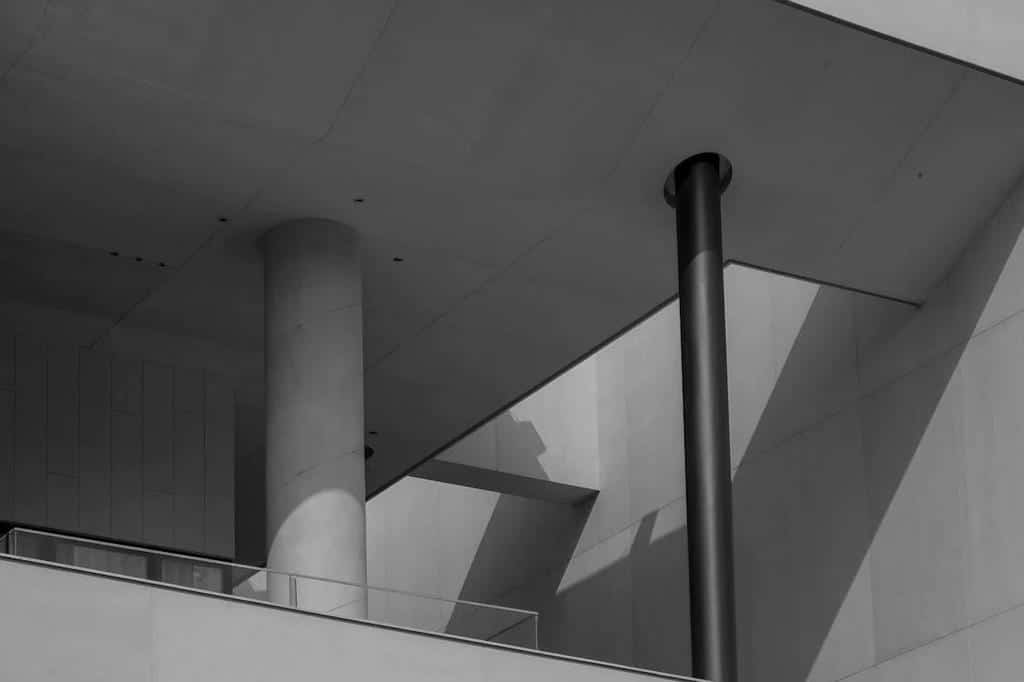
Concrete Wall Innovations for A Sustainable Future
The latest developments in concrete wall innovations are revolutionizing the construction industry, paving the way for a more sustainable, efficient, and visually appealing built environment. As technology advances and new materials and techniques emerge, we can expect further transformative changes that will shape the future of concrete construction. Paired with a steadfast dedication to safety, longevity, and environmental responsibility, these innovations will persist in reshaping the limitations of what can be achieved with concrete walls.


