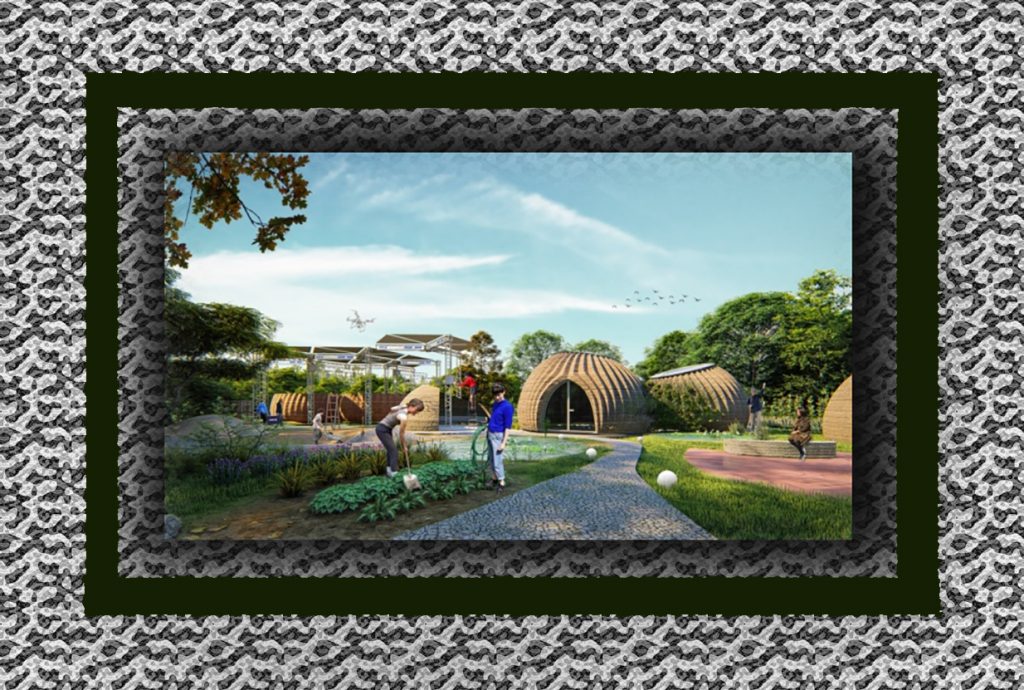
An Italian firm called Mario Cucinella Architects has partnered up with WASP (World’s Advanced Saving Project) to design an innovative, 3D-printed home inspired by the potter wasps’ nests. The homes, dubbed TECLA, are currently being built in Bologna, Italy. The TECLA house design is an experimental 3D-printed prototype that was crafted from the local terrain and could potentially offer a sustainable option for urban housing.
The TECLA housing plan addresses the need to build sustainable housing for the rapidly rising world population and the environmental impact linked with the building industry. Around 80 million people are born every year, resulting in cities struggling to find adequate housing solutions that are both sustainable and affordable.
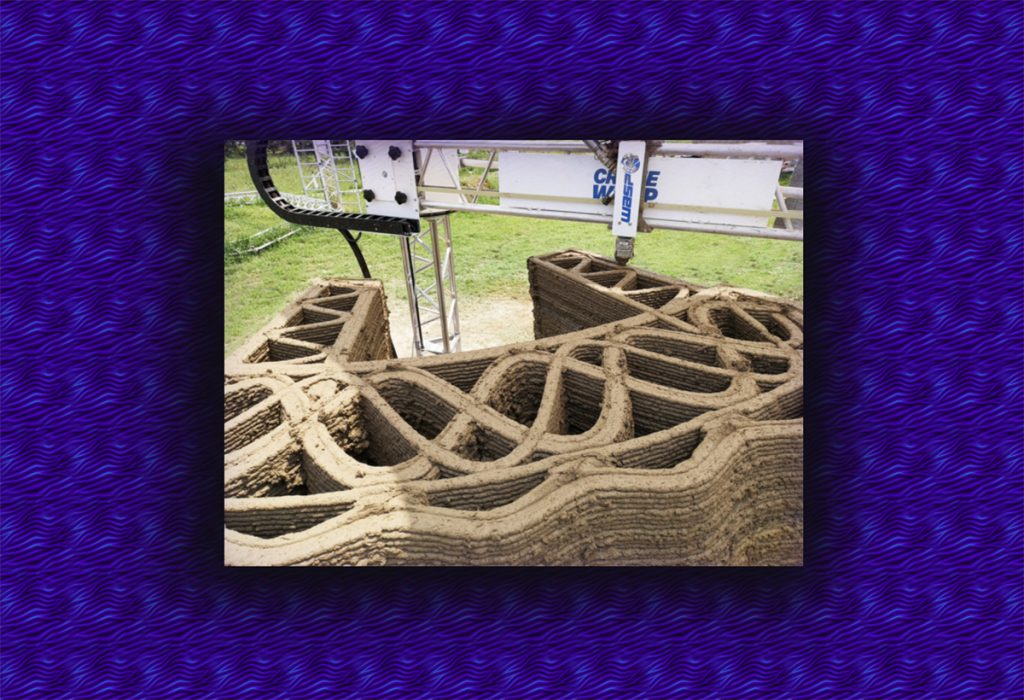
As a solution to curb the massive housing crisis, architect Mario Cucinella and WASP developed TECLA. The homes are 3D printed using locally sourced clay, which is both biodegradable and recyclable. The natural substance is also inexpensive and allows a zero-waste construction process. That substance is extruded through a pipe to a modular ‘Crane WASP’ 3D printer, dedicated to printing houses, that can print objects up to twenty-one feet in diameter and nine feet in height.
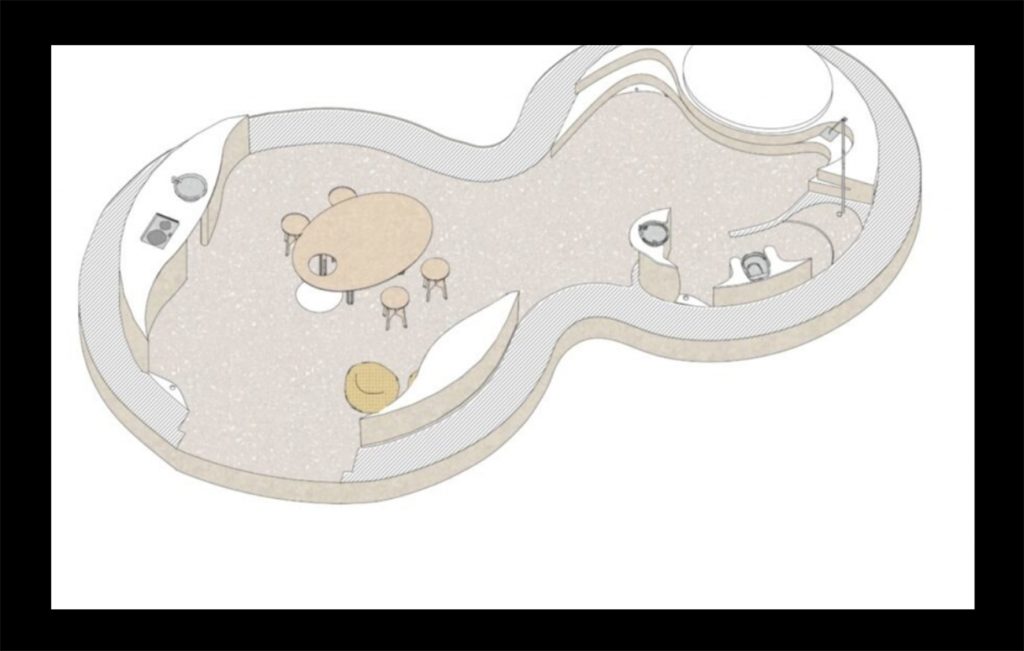
In September 2019, printing began on the first prototype of a two-room house in Massa Lombarda, east of Bologna. TECLA’s round and bubbly shape, natural and earthy color, and layered texture, gives the home a resemblance to non-human habitats and prehistoric dwellings.

Cucinella said:
Together with WASP, we aim at developing an innovative 3D-printed prototype for a habitat that responds to the increasingly urgent climate revolution and the needs of changes dictated by community needs. We need a paradigm shift in the field of architecture that gets closer to the needs of people, thus finding an answer for the “Earth” within the “earth.” A collaboration that becomes the union between empathic architecture and the application of new technologies.
According to the School of Sustainability (SOS), TECLA was developed via a set of research programs within the SOS, a program in Bologna founded by Cucinella to “train the design leaders of the post-carbon era.”
In May 2019, the prototype received planning approval, and now the construction is almost complete, with only a few months left to finish the project.