
Dandruff care should address more than visible flakes. A healthy routine also needs to manage excess oil, soothe irritation, protect hair fiber, and preserve color or chemical treatments. The right formula works at the scalp while keeping lengths comfortable after washing. That balance matters because harsh cleansing can leave hair dry, brittle, or difficult to style. Understanding these broader benefits makes it easier to judge a shampoo by performance rather than appearance alone.
It Treats the Scalp, Not Just the Symptoms
Flakes often appear alongside itching, oil buildup, or seborrheic dermatitis. A useful shampoo targets the scalp conditions behind those signs instead of simply washing away loose skin. Zinc pyrithione, the active ingredient in many anti-dandruff shampoos, is a clinically studied treatment for dandruff and seborrheic dermatitis.
People comparing the best dandruff shampoo should examine how the formula treats the scalp and affects the hair afterward. A shampoo that removes flakes but strips moisture creates another problem. Formulas in this category often use plant-derived cleansing agents, aim for a balanced pH, and include hydrating ingredients, and some are sold as sulfate- and paraben-free, which matters for people managing dryness or treated hair.
It Controls Oil Without Over-Cleansing
Excess oil can make flakes cling to the scalp and cause hair to look greasy soon after washing. Effective cleansing removes that buildup without creating the tight, rough feeling associated with overly aggressive formulas.
An anti-dandruff shampoo should suit both oily and dry scalps. Its cleansing action must remove excess oil while maintaining a more comfortable scalp environment. That balance supports regular use, especially for people who need to wash several times each week.
Using shampoo three to four times weekly, or as needed, is important. A person’s scalp condition, styling routine, and oil production should guide adjustments. Consistent use matters more than applying a large amount during one wash.
It Helps Calm Itch and Irritation
Visible flakes often draw attention, but itching can disrupt concentration, sleep, and everyday comfort. Scratching also irritates the scalp and can loosen additional flakes, making the condition appear worse.
A treatment shampoo should therefore address irritation alongside flaking. Getting the diagnosis right affects which products help, because flaking from a dry scalp and true dandruff has different causes and responds to different ingredients.
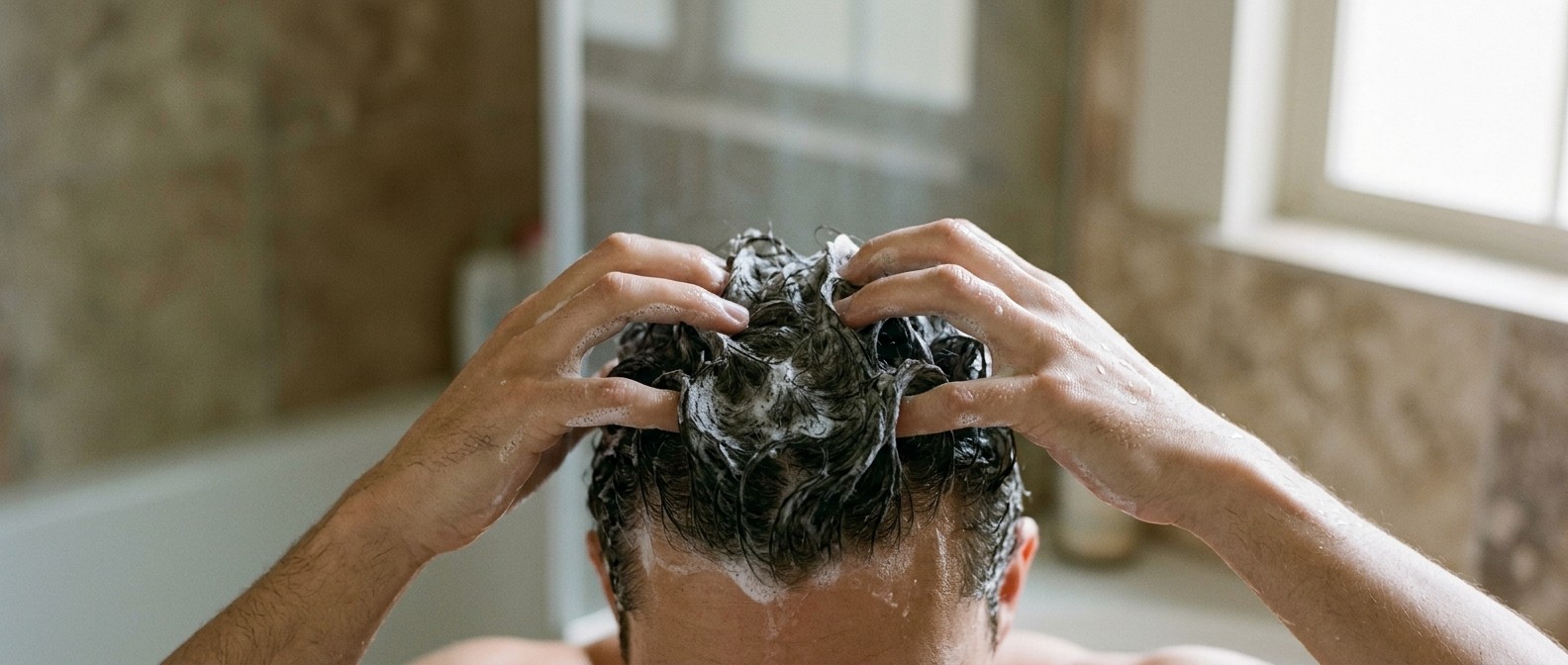
The scalp should be massaged gently with fingertips rather than scratched with nails. This protects the scalp and also prevents hair loss from excessive tugging and pulling. The approach cleans the skin while reducing unnecessary friction. Thorough rinsing also removes residue that could cause discomfort after washing.
It Protects Hair Quality
Some anti-dandruff shampoos leave hair coarse because they prioritize intensive cleansing over cosmetic performance. That result can discourage regular use, even when the formula controls scalp symptoms effectively.
A more suitable formula keeps the hair manageable after treatment rather than leaving it rough or stiff. Conditioning remains part of the routine after medicated cleansing. Some brands, such as Jupiter with its Scalp Nourishing Conditioner, direct users to apply conditioner from the roots through the mid-lengths and ends. That step supports softness and helps prevent the lengths from feeling dry after repeated washes.

It Makes a Routine Easier to Follow
A treatment only works as part of a routine that people can maintain. Texture, scent, application time, and post-wash care all influence whether someone continues using a product consistently.
Texture, lather, and scent affect whether a product is pleasant enough to keep using. Those details do not replace scalp treatment, but they make the washing process more comfortable. Visible improvement may come within the first week or two for some people, while regular use remains necessary for ongoing control.
A simple routine starts with wetting the scalp thoroughly. The user then massages in the shampoo, concentrates on affected areas, waits two to three minutes, and rinses well. Following those steps gives the active ingredient adequate contact time.
What to Check Before Choosing
A product label should answer several practical questions before purchase. First, it should identify the active ingredient and explain the scalp concern it treats. Second, it should provide clear directions for frequency and contact time.
People with color-treated or chemically treated hair should check whether the formula preserves those treatments. Those with dry hair should also look for hydration support and a conditioner recommendation. A sulfate-free, paraben-free formula can suit routines that prioritize gentler cleansing.
Persistent redness, painful areas, oozing, or severe scaling requires medical evaluation. A dermatologist can identify conditions that resemble dandruff and recommend appropriate treatment. A shampoo cannot replace professional care when symptoms remain severe or keep returning.
Conclusion
An effective anti-dandruff shampoo clears flakes while supporting the scalp and protecting the hair that grows from it. Zinc pyrithione, oil control, itch relief, balanced cleansing, and treatment-friendly care all contribute to a more useful routine. Application also matters, especially leaving the lather on for two to three minutes before rinsing. Anyone comparing products should read the active ingredient, directions, and hair-care claims, then follow the routine consistently for several weeks.

