
Launching a custom apparel venture is easier than ever. In the past, starting one required investing heavily in large machinery, production space, and inventory. Now, all it takes to build an apparel business is a small space, a brilliant idea, and the technology to execute it digitally.
However, building a successful business involves more than creating attractive designs. Understanding your market, choosing suitable production methods, and developing a reliable sales strategy are equally important. Demand for customised clothing keeps rising, and print-on-demand platforms have made it realistic for a two-person operation to sell across the country without ever holding stock. Here are a few valuable tips to help you get started.
Discover Your Niche and Know Your Audience
Before purchasing equipment or ordering materials, determine your target audience first. The custom apparel market is broad, covering everything from personalised T-shirts and hoodies to sportswear, corporate uniforms, and merchandise for print-on-demand sellers.
Rather than targeting an extensive market, focus your efforts on a specific group of people. You might create clothing for pet lovers, fitness enthusiasts, local communities, or small businesses. A clear niche makes developing a consistent style easier, and it helps your marketing reach the customers most likely to buy.
Select an Appropriate Digital Manufacturing Process
Digital manufacturing has introduced more flexible ways to produce customised garments without necessarily maintaining a large inventory.
For example, DTF printing allows designs to be printed onto a special film before being transferred onto fabric using heat and pressure. This method can reproduce detailed graphics and vibrant colours on different garment types, making it useful for businesses handling personalised orders and smaller production runs.
Other options include direct-to-garment printing, screen printing, and heat-transfer vinyl. Take time to compare them based on your intended products, order volumes, and budget. You can also outsource printing initially rather than purchasing expensive equipment right away.
If you do bring heat work in-house, treat the equipment with respect. Heat presses reach temperatures high enough to burn fabric and skin, and they draw serious current. The Health and Safety Executive publishes machinery safety guidance for printing businesses that is worth reading before a press is delivered, and insurers often ask about guard and maintenance records when quoting a policy.
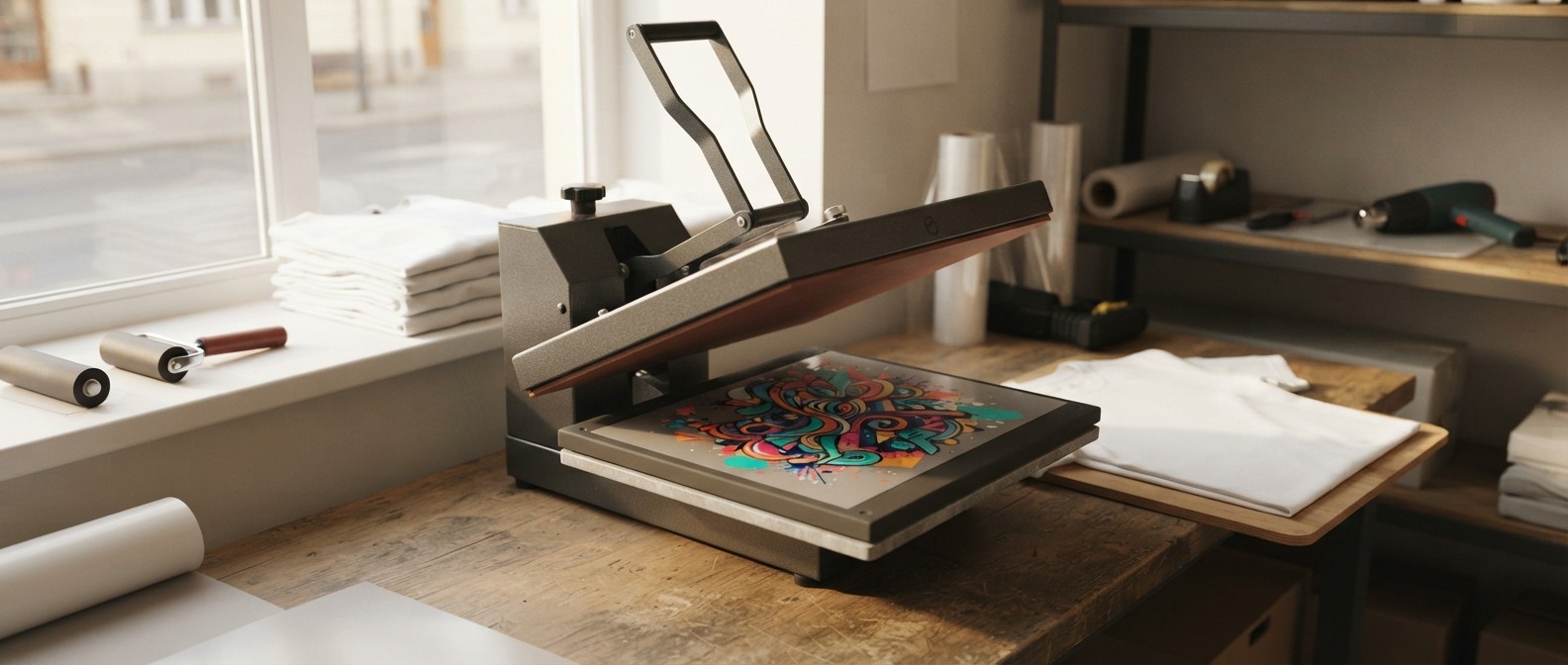
The DTF process itself is simple: the design is printed onto a coated film, adhesive powder is applied, and a press bonds it to the fabric.
Invest in Design and Quality Materials
While good designs attract attention, garment quality encourages repeat purchases. Customers want clothing that feels comfortable, fits properly, and maintains its appearance after washing.
Start with a manageable collection of blank apparel available in a range of sizes and colours. Before ordering bulk quantities, request samples from every supplier and test the garments yourself. Pay attention to fabric weight, sewing quality, sizing consistency, and how well a print holds up after several washes. A supplier who cannot answer questions about fabric composition or shrinkage is rarely worth a second order.
You do not need to be a professional graphic designer to create appealing products. Accessible design software can help you develop artwork, experiment with colours, and prepare print-ready files. Set a basic standard for every file that leaves your studio, such as a consistent resolution and a defined print area, so that artwork looks the same on a sample as it does on the finished garment.
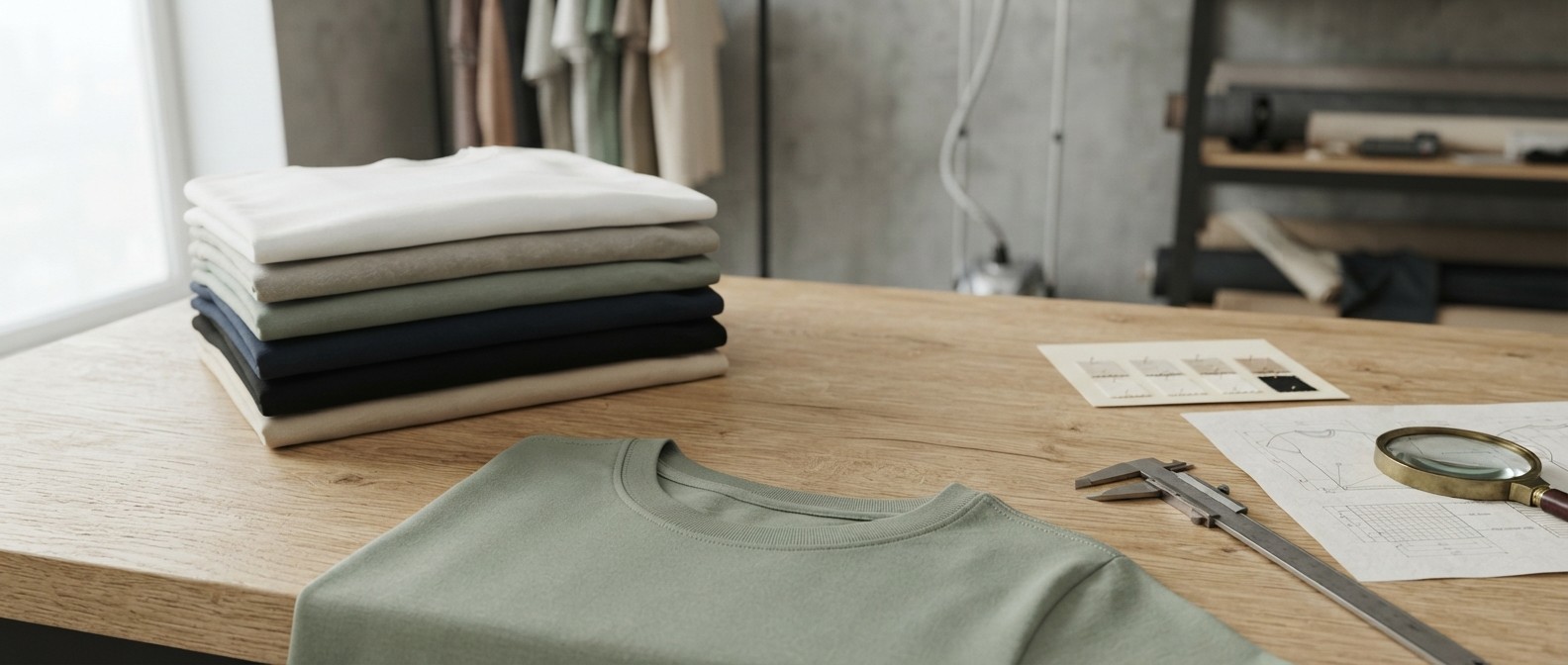
Keep a written record of the blanks that pass, including the supplier, style number, and fabric composition.
Create an Online Presence
A custom apparel business needs a convenient way for customers to discover products and place orders. An online store provides a practical starting point, while social media platforms can help showcase new designs and connect with potential buyers.
Product photos should be clear, with correct sizing details and straightforward ordering instructions. A little behind-the-scenes footage, customer reviews, and examples of previous custom orders also help to build interest and trust.
Final Thoughts
Digital manufacturing has made custom apparel entrepreneurship more achievable, but long-term success still depends on thoughtful planning and consistent quality. With creativity, patience, and a willingness to adapt, a small apparel venture can grow into a recognisable and sustainable brand that can thrive for years.


