
When preparing to list a home, most sellers focus on visual staging: painting front doors, updating kitchen hardware, and styling front yards for curb appeal. Offers roll in, contracts are signed, and closing feels just around the corner. Then comes the lender-mandated wood pest appraisal.
Whether called a termite clearance, pest inspection, or Wood-Destroying Organism (WDO) report, this evaluation can make or break your sale. Government-backed loans are the strictest. The NPMA-33 form must be used to report wood-destroying insect inspections on HUD and VA transactions, and FHA guidance requires that same form, or a state-mandated equivalent, wherever a clear inspection report is required. Inspection findings leave little room to negotiate: evidence of active infestation or prior termite damage generally has to be treated or repaired before the loan closes.
Unfortunately, sellers often create red flags that cause inspectors to flag their properties. From blocking access hatches to piling mulch against siding, these missteps can lead to a re-inspection that delays escrow. Avoiding these common mistakes that cost sellers at closing ensures your wood-destroying insect inspection proceeds smoothly, keeping closing on schedule.
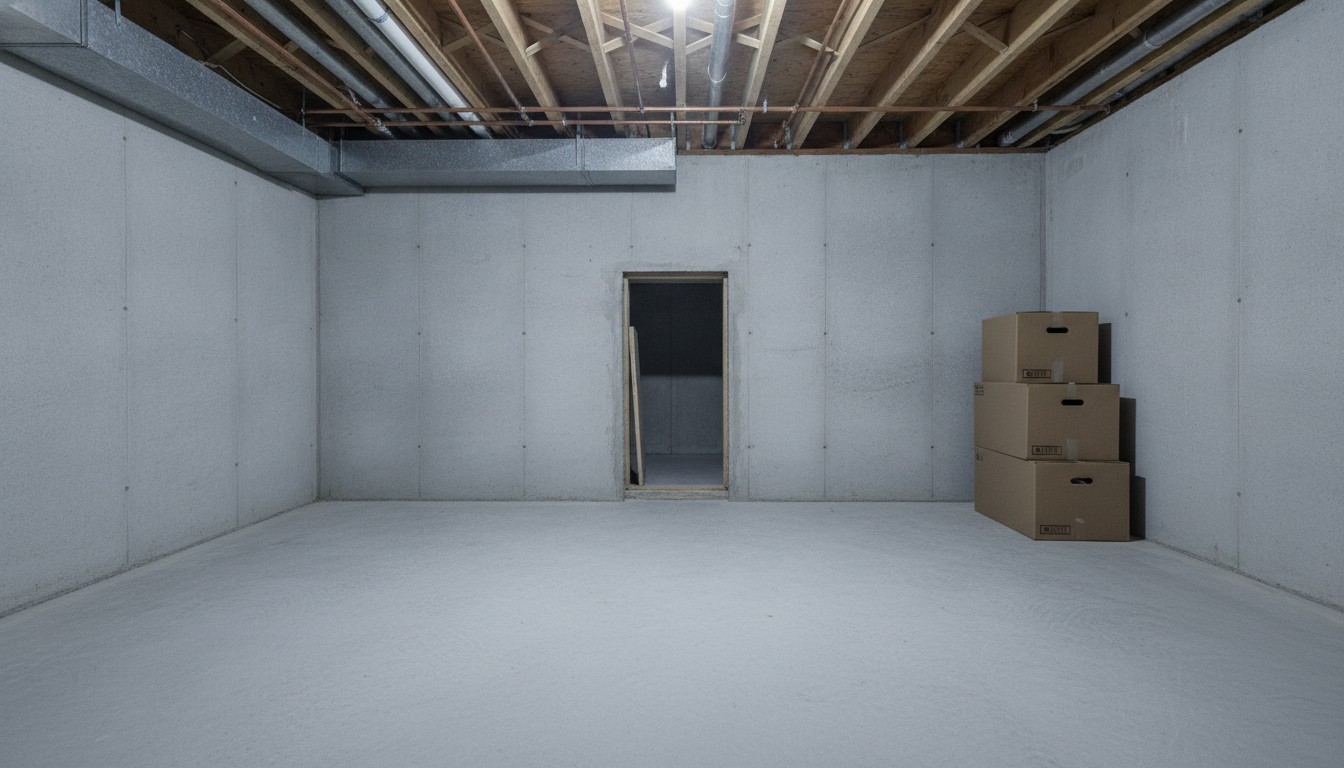
1. Blocking Access to Crawlspaces, Attics, and Foundation Walls
Failing to provide clear, unobstructed access to crawlspace hatches, attic scuttles, and foundation perimeters forces inspectors to declare areas “inaccessible,” which invites a re-inspection and can delay closing.
Inspectors cannot pass what they cannot see. If a seller stacks moving boxes against the crawlspace entry or places storage totes beneath an attic hatch, the inspector lists those zones as inaccessible in the NPMA-33 report. Most lenders want a report that covers the structure, and an area an inspector could not reach is a gap the file cannot answer.
Clear crawlspace entries by providing at least three feet of clearance around basement access panels and exterior crawlspace doors; open attic hatches by removing clothes racks and storage bins beneath ceiling access panels in closets or garages; and pull belongings from walls in unfinished basements so mud tubes can be spotted.
2. Maintaining Direct Earth-to-Wood Contact and Piling Firewood
Stacking firewood against exterior walls or allowing decorative soil and mulch to contact exterior siding creates a welcoming moisture bridge for subterranean termites.
Subterranean termites require continuous moisture to survive. When garden beds are built up so high that topsoil or bark mulch touches wooden siding or door trim, termites can tunnel directly from dirt into your home without building visible shelter tubes.
Address obvious earth-to-wood contact risks by keeping soil and mulch at least six inches below the bottom edge of siding, moving firewood, scrap lumber, and tree stakes at least twenty feet away from the foundation, and detaching wooden plant lattices and climbing vines from exterior siding to eliminate concealed pest pathways.
3. Painting Over Damaged Wood Instead of Properly Repairing It
Slapping fresh paint or caulking over spongy exterior trim, fascia boards, or door frames looks like intentional concealment to inspectors and invites invasive probing.
Sellers often assume painting rotted trim makes it look pristine. However, licensed pest inspectors do not just look at wood. They probe suspect areas with screwdrivers and awls. Fresh paint over decayed wood punctures easily, immediately signaling to the inspector that rot or wood-destroying insect damage was covered up rather than remediated.
If an inspector detects concealed damage, they will flag the area for invasive testing or mandate that a licensed contractor tear out the assembly. Always replace rotted window sills, door jambs, and fascia with solid lumber before the appraisal takes place.
4. Overlooking Exterior Moisture Traps and Downspout Drainage
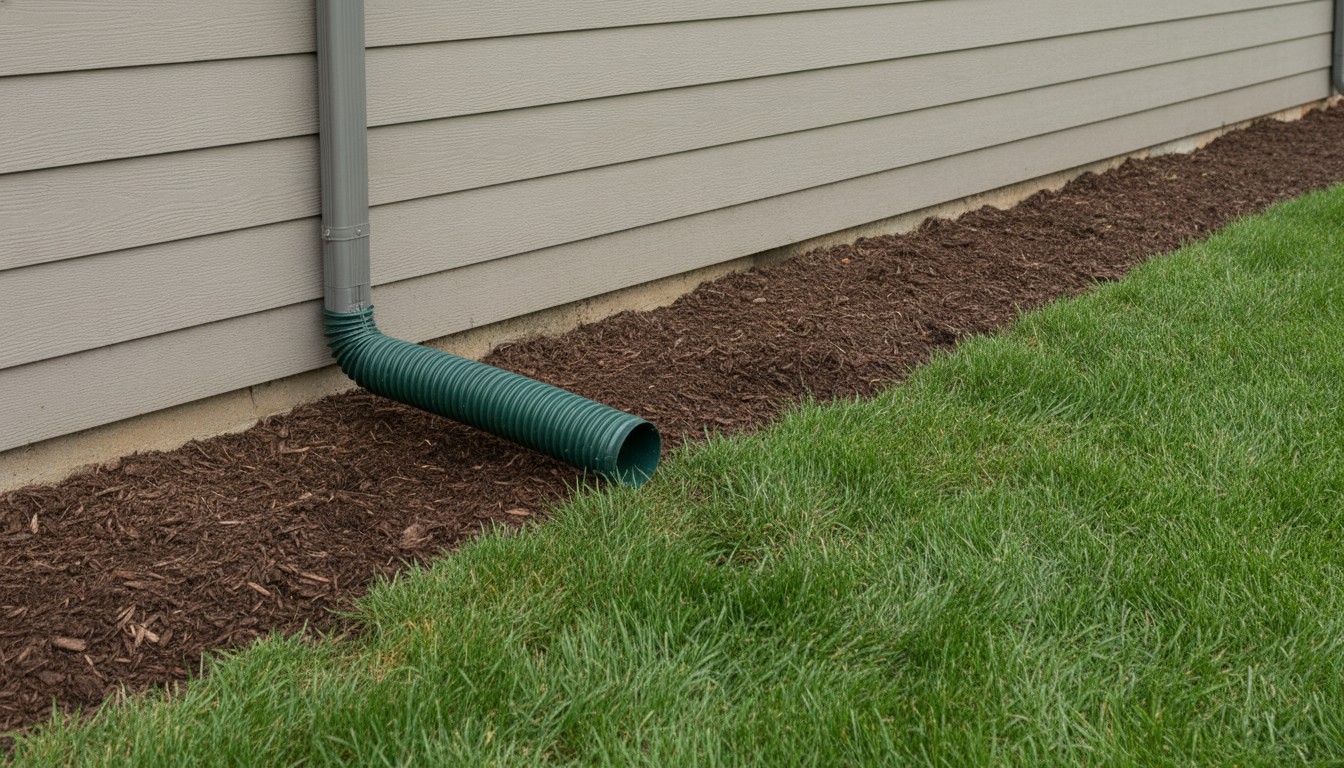
Allowing gutters to overflow or downspouts to dump rainwater directly against foundation walls creates the damp subsoil conditions that attract subterranean termites and wood rot fungi.
Moisture is the primary driver of wood pest infestations. A dripping exterior spigot, a disconnected downspout elbow, or improper lawn grading keeps perimeter soil perpetually soaked. Termite colonies thrive in this damp environment, using the moisture to expand their foraging territory toward floor joists and sill plates.
Audit exterior moisture management on three fronts: fix leaking hose bibs and irrigation vacuum breakers, install downspout extensions that carry rainwater well clear of foundation walls, and slope landscape beds away from the house so water does not pool along foundation concrete.
5. Misplacing Historical Treatment Records and Transferable Bonds
Failing to locate treatment receipts, annual inspection logs, and existing termite warranty paperwork forces buyers and lenders to assume past damage is active, requiring redundant treatments.
Many older homes have evidence of past subterranean termite activity, such as old mud tubes or minor structural scarring, that was successfully treated years ago. If you cannot produce formal documentation proving the colony was eradicated and the property has remained under an active warranty, the inspector must treat the evidence as potentially active.
Gather paperwork before listing by locating original subterranean soil treatment contracts and application records, verifying whether the annual pest bond is active and transferable to the incoming buyer, and collecting paid receipts from licensed contractors who previously repaired historic damage.
6. Waiting for the Buyer’s Inspection Instead of Ordering a Pre-Listing Audit
Waiting until the buyer’s lender orders an inspection leaves sellers vulnerable to rushed emergency repairs, inflated treatment bids, and missed closing deadlines.
Discovering active termites or powderpost beetles while under contract puts sellers in a compromised negotiating position. Buyers become nervous about structural integrity, and underwriters set strict repair deadlines, which leaves sellers little time to shop around for treatment and carpentry bids.
A proactive termite pre-listing inspection puts you in total control. By identifying mud tubes or moisture issues before listing, you have time to obtain competitive bids and complete repairs quietly. In regions with persistent subterranean termite activity, sellers commonly bring in a licensed local inspector, whose findings and any treatment warranty can be passed on to the buyer. Such firms, from national operators to local providers like pest control companies in Kansas City, mirror each other on the essentials that matter to a lender: a documented inspection, a clear treatment record, and a warranty the next owner can inherit.
Navigating a wood pest appraisal is manageable. While lenders enforce strict standards regarding wood-destroying organisms, most appraisal delays stem from simple oversights: blocked crawlspace hatches, stacked firewood, and unaddressed moisture rather than catastrophic structural failure.
By clearing access corridors, separating wood from soil, repairing damaged trim properly, and organizing past treatment records, you present an honest, well-maintained property that inspectors can evaluate with confidence. Preparing your home thoroughly before the appraisal protects your hard-earned equity, reassures nervous buyers, and ensures your sale crosses the finish line smoothly.

