
Real estate demands a flawless first impression; every aspect of your listing must captivate potential buyers from the very first glance. Selling a home is as much about presentation as it is about price. Even a stunningly beautiful home in a desirable neighborhood will be ignored if the listing is poorly handled; buyers will simply scroll past without a second thought.
Top real estate digital marketing agency experts agree: in such a competitive online arena, you only get one shot to make the right impression with your listing. Be under no illusion; it is often the only chance you get to grab someone’s attention.
Attracting serious buyers requires avoiding several critical mistakes that can derail your efforts. Let’s review the key mistakes you should avoid to ensure your listing is a success.
Let Your Photos Make the First Impression
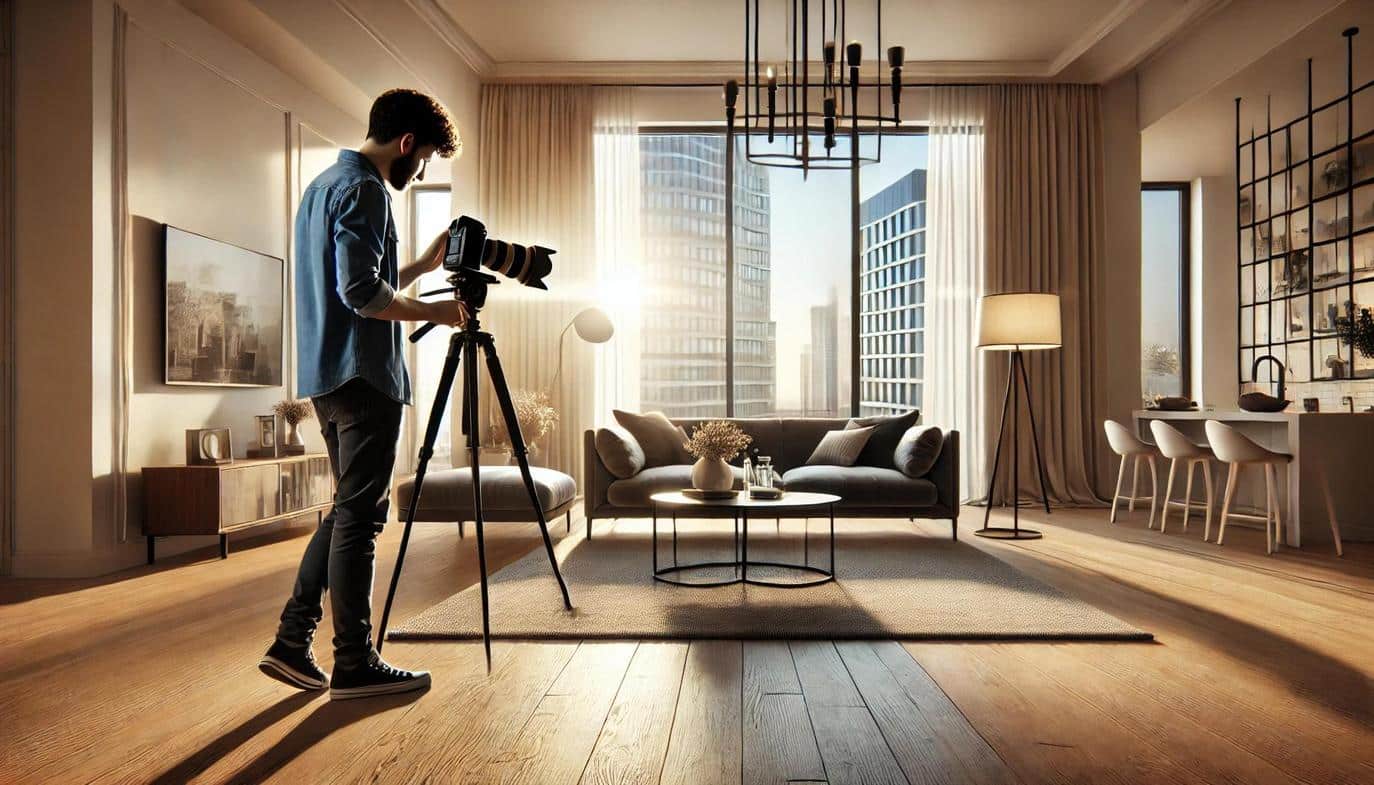
Poor-quality photography is an absolute deal-breaker, as the success of your listing hinges on its visual appeal. Presenting your home with dark, blurry, or cluttered shots is an unprofessional misstep that will quickly deter potential buyers and may lead them to assume the property is poorly maintained. Since most buyers start their search online, photos are your first, and often only, chance to spark interest.
Hiring a professional real estate photographer, or at the very least using a quality camera with adequate lighting, is a smart investment. Proper staging is also key; the goal is to make every room look clean, bright, and inviting in your photographs.
Keep Your Property Description Short and Sweet
While details matter, overwhelming buyers with dense paragraphs is a surefire way to alienate them. Buyers simply don’t have the time or inclination to sift through paragraphs of rambling adjectives. They want clear, concise, and relevant details.
Keep all your descriptions short but suitably descriptive. Focus on highlighting the features that matter most, such as:
- Square footage
- Number of bedrooms and bathrooms
- Significant upgrades or renovations
Save the flowery language for a brochure; your online listing demands clarity and brevity.

Build Trust Through Transparency
Glossing over flaws or omitting key details (such as HOA fees, property taxes, or the roof’s age) is a significant mistake that will likely backfire. Buyers will find out about any potential negatives soon enough. When they do, your credibility will take a massive hit.
Being upfront and transparent is always the better strategy, as a well-informed buyer is a more reliable buyer.
Price Your Home to Attract the Right Buyers
Price is one of the biggest deal-killers in real estate. Pricing your home too high will cause it to stagnate on the market, leading buyers to assume it has hidden issues, while pricing it too low results in an unnecessary financial loss.
Work with your agent to conduct a thorough market analysis of comparable properties. This ensures your asking price is competitive while still maximizing your return.
Boost Your Home’s Curb Appeal
A perfect interior won’t matter if the exterior lacks curb appeal. Poor curb appeal quickly turns buyers off, often preventing them from clicking past the first photo. Be aware of red flags that can immediately deter buyers, such as:
- An overgrown lawn or untidy garden beds.
- Cracked driveways or walkways.
- Peeling or faded exterior paint.
Invest time in tidying up your home’s exterior and landscaping before any photos are taken.

Help Buyers Picture Themselves at Home
Buyers cannot visualize themselves in the home when every corner is filled with personal mementos, family photos, and general clutter.
Since you are selling your home, now is the perfect time to declutter and depersonalize by keeping your decor simple and neutral. A clean, well-staged home not only looks larger and more inviting in photos but also delivers on that promise during in-person viewings.
Aim for Authentic and Inviting Staging
Over-staging or using fake furniture that looks cheap can also hurt your listing.
Even worse is misleading staging, where rugs or art are used to hide damage. This tactic is problematic because buyers will feel deceived when they see the home in person, instantly destroying trust.
The goal is authenticity, not a theatrical production.
Spotlight What Makes Your Property Special
Many listings undersell the property by failing to highlight recent upgrades or standout features. These details can be the tipping point for buyers, so create a list of unique features to make them easy to spot, for example:
- Energy-efficient initiatives
- A recently replaced roof
- Smart home technology integrations

Welcome Buyers with a Virtual Tour
Since most buyers now explore properties online before committing to a showing, listings without a virtual tour or a detailed floor plan are at a significant disadvantage.
An investment in a 3D virtual tour or video walkthrough often pays for itself by attracting serious, qualified buyers.
Details Matter: Proofread Everything
A listing riddled with spelling mistakes makes you or your agent look careless. The same is true for incorrect information that hasn’t been updated in months, which signals a lack of interest.
Be sure to proofread your listing carefully and update it regularly if changes are needed. A polished, accurate listing signals professionalism and care, building buyer confidence from the start.
Avoiding these classic mistakes is crucial for improving your chances of a positive result. Selling a home is stressful enough without letting a weak listing sabotage the process before it even begins.
So, What’s The Bottom Line?
It’s simple, really. The real estate market is a crowded, noisy space. Your listing is your one chance to rise above it. You’re presenting a potential future, not just selling a collection of rooms and a roof. Every blurry photo, every vague description, every conveniently omitted detail? It just chips away at that potential and erodes trust before a conversation can even begin.
Don’t look at these points as just a checklist of things to avoid. Think of them as a framework for building confidence, both in your property value and in the buyers, you want to attract. A listing that’s honest, polished, and visually compelling doesn’t just get more clicks. It gets the right clicks. It builds the kind of trust that leads to serious offers and a smoother sale. And isn’t that the goal, after all?
Your Top Listing Questions, Answered
How Important Is Professional Real Estate Photography, Really?
It’s absolutely critical. In the digital age, your photos are the first showing. Professional shots with great lighting and composition can dramatically increase online engagement, leading to more in-person visits. It consistently proves to be one of the highest-return investments you can make when preparing your listing.
What’s The Single Biggest Mistake in a Property Description?
Being vague or dishonest. Buyers value transparency above all else. Failing to mention key details like HOA fees or known issues will break trust instantly. Always be upfront; it shows respect for the buyer and builds credibility.
How Do I Know If My Home Is Priced Correctly?
The best approach is a comparative market analysis (CMA) conducted by your real estate agent. This data-driven strategy compares your home to similar, recently sold properties in your area. This avoids the emotional guesswork that leads to overpricing or underpricing.
Does Home Staging Genuinely Affect the Sale Price?
Yes, significantly. A well-staged home helps buyers visualize themselves in the space, which creates an emotional connection. Decluttering and depersonalizing make rooms appear larger and more inviting. According to industry reports, staging can not only speed up the sale but also increase the final offer price.
Is A Virtual Tour Worth the Extra Cost?
For most properties, yes. A virtual tour acts as a 24/7 open house, allowing buyers to explore the property’s layout and flow from anywhere. It filters out casual browsers and attracts more serious, qualified buyers, saving you time and effort in the long run.


