
Black Friday is a popular time to shop for electric bikes, but the biggest advertised discount isn’t necessarily the best deal. A lower price only represents real value when the bike delivers the battery performance, comfort, safety features, and reliability a rider actually needs.
With Black Friday 2026 approaching, shoppers can expect to encounter everything from compact folding models to powerful fat tire electric bikes. The challenge is knowing which features justify the price and which promotional offers are genuinely worth considering.
Buying smarter starts with understanding the difference between a reduced price and a worthwhile investment.
Are Black Friday E-Bike Deals Really Worth It?
Black Friday e-bike deals can offer good value when the discounted price is competitive, the specifications meet the rider’s needs, and the manufacturer provides reliable after-sales support.
However, advertised savings don’t always tell the full story.
A bike marked down by $500 may still cost more than a similarly equipped alternative. Likewise, an inexpensive model can become costly if its battery capacity is inadequate or essential components need replacing sooner than expected.
Before making a purchase, compare the promotional price with the bike’s recent selling price rather than relying solely on the original list price.
It’s also important to check whether the discount applies to the exact model and configuration you want.
For shoppers researching Black Friday ebike deals, checking the manufacturer’s official promotion page can help clarify which models are included, what accessories come with the purchase, and whether offers change throughout the sale.
The goal isn’t simply to spend less. It’s to get a bike that continues to provide value after the promotional period ends.
What E-Bike Features Are Worth Paying For?
Electric bike specifications can look impressive on paper, but not every feature contributes equally to the riding experience.
A practical buying decision should focus on components that affect everyday performance and long-term usability.
Battery Capacity and Realistic Range
Battery capacity is measured in watt-hours (Wh), calculated by multiplying voltage by amp-hours.
For example, a 48V 15Ah battery has a nominal capacity of 720Wh.
A larger battery generally stores more energy, but advertised range depends on factors such as terrain, rider weight, temperature, tire pressure, and pedal-assist level.
For most riders, dependable range on familiar routes matters more than achieving the maximum distance listed in marketing materials.
Motor Performance and Riding Comfort
Motor wattage provides an indication of power, but higher output isn’t automatically better.
Commuters traveling on relatively flat roads may not need the same motor performance as riders frequently climbing hills or carrying additional equipment.
Pedal-assist sensors also affect how a bike feels. Torque sensors respond to pedaling force, while cadence sensors detect pedal rotation.
The right assistance system should feel manageable and appropriate for the rider’s usual conditions.
Brakes, Suspension, and Tires
Hydraulic disc brakes can provide consistent braking control when maintained correctly, while suspension helps absorb impacts from uneven surfaces.
Tire choice also matters.
Narrower tires may be more efficient for paved commuting, while a fat tire electric bike can offer additional traction and cushioning on gravel roads and rougher recreational paths.
These features are valuable when they match the rider’s actual needs, not simply because they appear on a premium specification sheet.
How Can Buyers Compare E-Bikes Across Different Budgets?
A useful comparison starts with riding purpose rather than price alone.
Someone commuting five miles each way has different requirements from someone traveling longer distances on weekends or regularly transporting a bike in an RV.
| Riding Priority | Features to Consider | Potential Trade-off |
|---|---|---|
| Everyday commuting | Comfortable frame, reliable brakes, practical battery range | Specialized off-road features may add unnecessary weight |
| Longer recreational rides | Larger battery, supportive riding position, suitable gearing | Additional battery capacity can increase weight |
| Mixed-terrain riding | Fat tires, suspension, capable braking | Greater rolling resistance and heavier construction |
| Compact storage | Folding frame, folded dimensions, secure hinges | Foldable models are not necessarily lightweight |
The most expensive configuration isn’t always the most suitable.
For buyers comparing ebikes for sale, evaluating models by battery capacity, comfort, storage requirements, and riding conditions can reveal better value than comparing discounts alone.
A bike that fits into daily life without expensive modifications often provides a better ownership experience than one purchased solely because of a temporary promotion.
Is a Foldable Electric Bike Worth Buying on Black Friday?
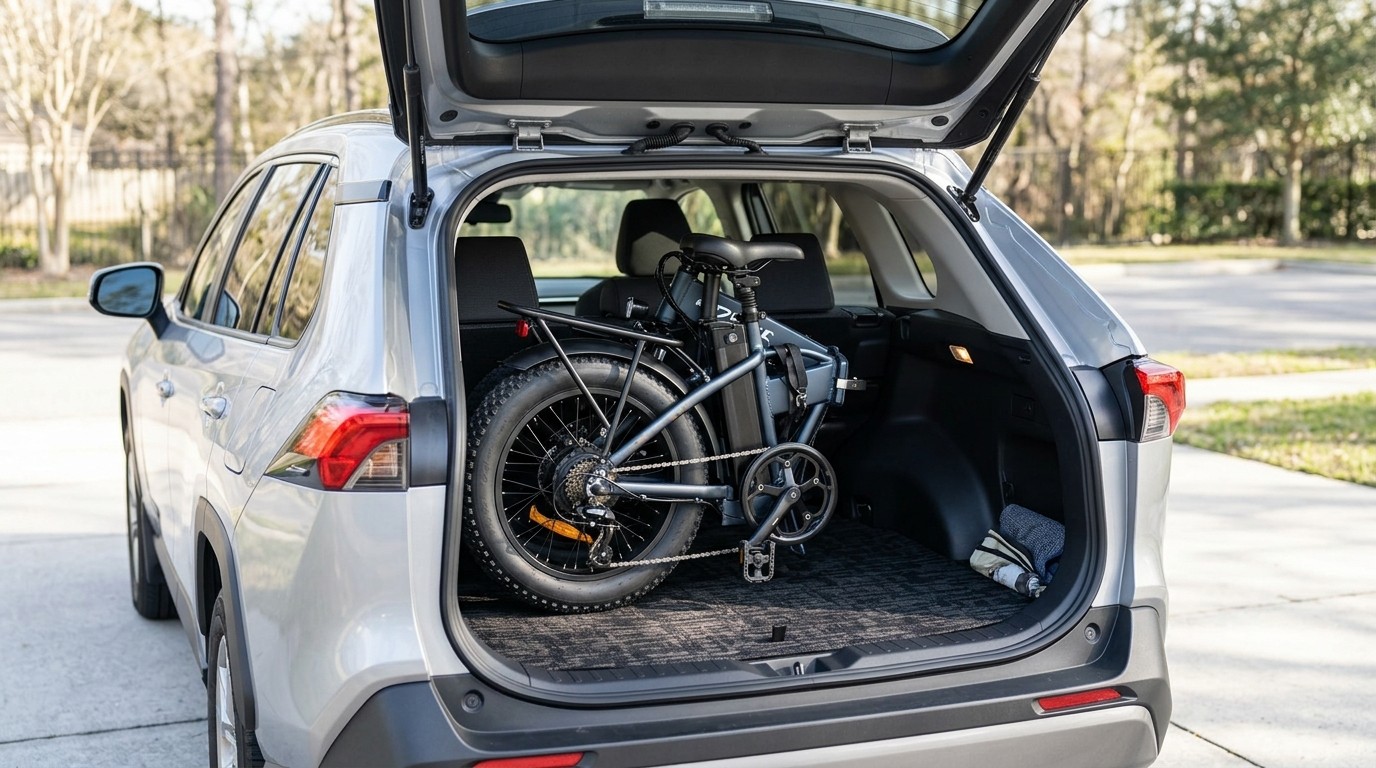
A foldable electric bike is worth considering when convenient storage and transportation are important, particularly for apartment residents, RV travelers, and riders with limited garage space.
A folding frame allows a bike to occupy less room when not in use. However, folding capability shouldn’t be confused with low weight.
Electric bikes with larger batteries, fat tires, and suspension can remain relatively heavy even when folded.
Buyers should therefore check the bike’s actual weight, folded dimensions, and transportation requirements before choosing a model.
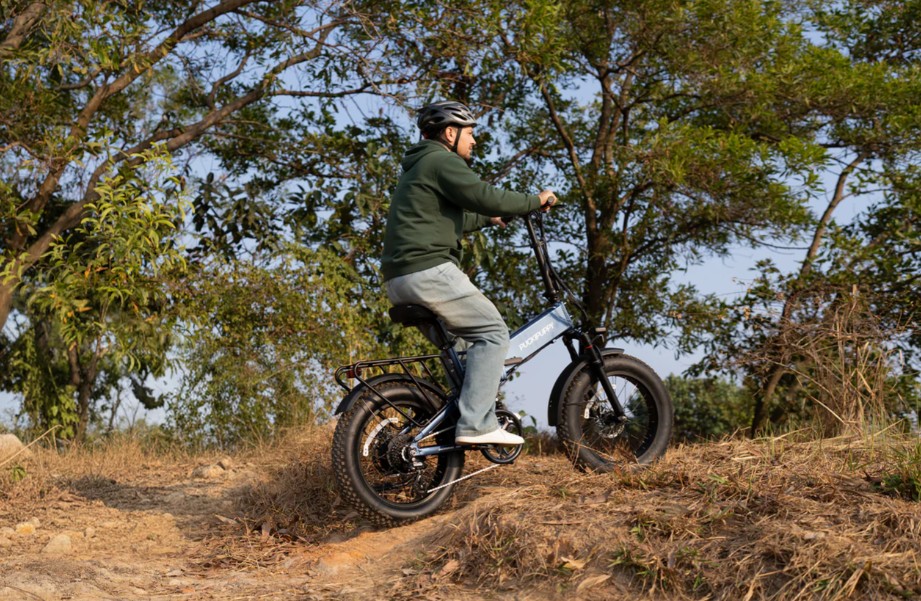
For riders who also encounter gravel paths or uneven pavement, a folding fat tire configuration may provide a useful balance between practical storage and riding comfort.
What to Look for in a Folding Fat Tire E-Bike
Folding models such as the Puckipuppy Dachshund Pro show how storage convenience and terrain-oriented components can be combined in a single design.
It pairs a 750W motor with up to 1,350W of peak output and a 48V 15Ah battery, and the manufacturer lists a range of 40–60 miles depending on riding conditions.
Its 20 × 4-inch fat tires and full-suspension setup are designed to improve comfort across uneven pavement, gravel roads, and other moderate mixed-terrain routes, while hydraulic disc brakes and combined torque-and-cadence sensing support controlled, responsive riding.
The foldable frame is particularly useful for people who need to store their bike in a compact area or transport it during road trips.
With a maximum load capacity of 450 lb, it accommodates a range of rider and equipment combinations within its rated limits.
At 83.3 lb, however, this type of bike remains substantial, so anyone expecting to carry it upstairs regularly or lift it into a vehicle should consider the weight carefully.
Riders who prioritize compact storage without giving up fat tires, suspension, and useful battery capacity may find such a configuration worth comparing with lighter commuter-focused alternatives.
What Hidden Costs Should Shoppers Check Before Buying?
The purchase price represents only part of the total cost of owning an electric bike.
Batteries, tires, brakes, and other components require maintenance or eventual replacement. Availability of compatible replacement parts can influence how practical a bike remains several years after purchase.
Buyers should also consider accessories such as helmets, locks, cargo racks, and appropriate transport equipment.
For heavier electric bikes, a suitable hitch-mounted rack may be necessary, adding to the overall budget.
Warranty terms deserve particular attention. Check what is covered, how claims are handled, and whether replacement parts and service support are readily available.
Electrical safety is another important consideration. Buyers should review the safety certifications that apply to the exact bike and battery configuration, such as the UL 2849 standard for e-bike electrical systems, rather than assuming that all models from one manufacturer meet the same standards.
These factors rarely appear in promotional headlines, but they can make a significant difference to long-term ownership costs.
How Can You Tell Whether a Black Friday E-Bike Discount Is Genuine?
A genuine discount should offer a meaningful reduction from the bike’s normal selling price without compromising the product configuration or purchase conditions.
Checking previous prices, included accessories, and warranty terms is usually more informative than focusing on the percentage advertised.
A few practical checks can help:
- Compare the current price with recent prices for the same model.
- Confirm the battery, motor, and included components match the advertised configuration.
- Review shipping costs, return conditions, and warranty coverage.
- Check whether promotional accessories are included or require additional payment.
- Make sure the bike’s size, weight, and riding capabilities suit its intended use.
Shoppers can also compare a brand’s full model range, such as the configurations offered by PUCKIPUPPY, to see how features and prices shift between different setups.
Black Friday 2026 falls on November 27, but early promotions may begin before that date. Prices and availability can change, so shoppers should verify current offers rather than assume the lowest price will always appear on the main shopping day.
Is It Better to Buy Early or Wait Until Black Friday?
Waiting can make sense when the preferred bike isn’t currently discounted and there’s enough time to monitor prices.
However, buying during an early promotion may be reasonable if the price is competitive and the correct configuration is available.
The decision should depend on three factors: the bike’s suitability, the actual savings, and the purchase terms.
If the chosen model already meets those requirements, waiting for an uncertain additional discount may provide little benefit.
On the other hand, buyers who haven’t decided on battery capacity, frame design, or riding purpose should avoid rushing into a purchase.
Make Quality the Priority This Black Friday
Black Friday can provide an opportunity to buy an electric bike at a better price, but the most valuable purchase isn’t necessarily the one with the largest discount.
Battery performance, braking, comfort, component quality, and after-sales support all contribute to long-term value.
A commuter may benefit most from a straightforward, lightweight design. Someone with limited storage might prefer a folding frame, while riders exploring mixed surfaces may appreciate fat tires and suspension.
Start by identifying the features you’ll use regularly, compare realistic ownership costs, and check the current promotional terms before ordering.
The smartest Black Friday purchase is a bike that fits your budget today and continues to meet your needs long after the sale ends.


