
The tank is full, you can see the liquid right there, and yet nothing happens. No vapor, no heat, maybe a faint gurgle at best. Few things frustrate vapers more, and almost everyone runs into it eventually.
The good news is that “what causes a vape to stop working even when it has e-liquid left” almost always comes down to a handful of specific, fixable issues. Here are five of the most common culprits.
A Burned or Flooded Coil
The coil is the first thing to check when troubleshooting a dead device, as the staff at the best online vape shop often explain to customers, and for good reason. It is the part that fails most often, even when the tank is full.
Coil burnout occurs when the wicking material inside overheats. Cotton chars. Once that happens, it can’t draw liquid properly, and you’ll usually catch a harsh, acrid taste before vapor production quits entirely. Chain vaping is the most common cause, since the wick doesn’t get time to re-saturate between draws, but pushing wattage beyond the coil’s rated range does the same damage, just faster.
A flooded coil is the flip side of that problem. Excess liquid drowns the coil, chokes airflow, and shuts down vapor production. You might hear gurgling, spot liquid sitting in the mouthpiece, or just pull a weak, wet hit. Either way, a full tank becomes completely useless.
The fix for a burned coil is replacement, as there is no saving a charred wick. For flooding, try blowing gently through the mouthpiece (with the device facing down) to clear excess liquid, then let the coil dry for a few minutes before firing again.
A Dead or Failing Battery
A weak battery can fool you. The device turns on, the tank is topped up, but vapor is thin or doesn’t come at all. Plenty of vapers blame the coil, swap it out, and get nowhere, because the coil was never the issue.
Lithium-ion batteries lose capacity over time. A battery that once lasted all day may now drain down to a point where it cannot supply enough power to heat the coil, even though the indicator light suggests charge remains. Battery voltage indicators aren’t always accurate at low charge levels, which makes this especially misleading.
Cold temperatures make this worse. Battery chemistry slows down in the cold, so a device that works fine indoors might cut out entirely in winter. And if you’re using a removable 18650 or 21700 cell, a battery that’s been charged hundreds of times may simply be at the end of its cycle life.
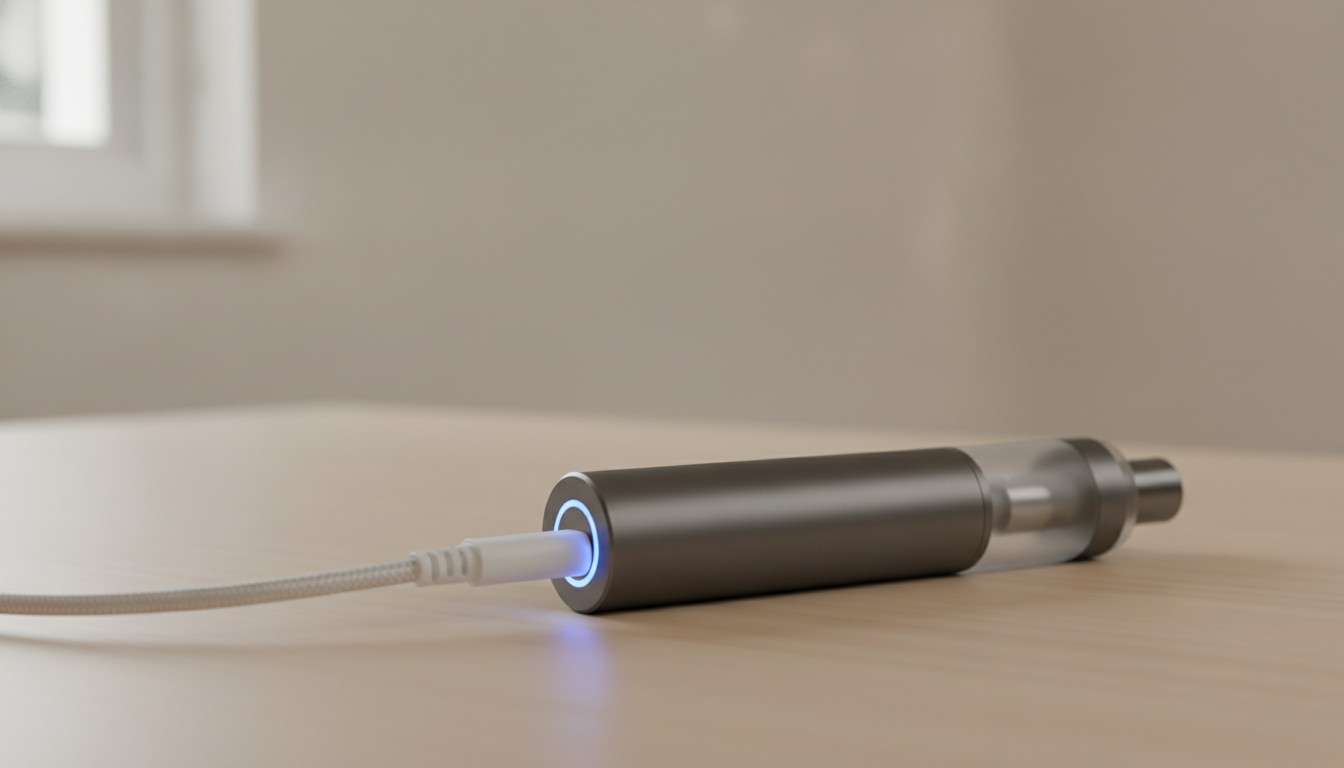
Give the device a full charge and test it again. Poor performance after a full charge points to the battery itself. Swappable cells make this easy to confirm: drop in a fresh one, and you’ll know immediately.
Airflow Blockages and Clogged Pods
Restricted airflow is a mechanical issue that’s easy to overlook. Your device fires, the coil heats up, but you get almost no draw because air can’t move through the system properly.
Pod-style devices are particularly vulnerable. The narrow channels that make pods compact also make them easy to clog with residue from thicker e-liquids, especially high-VG blends. Over time, a light layer of residue builds up around the pod’s airflow slots or inside the mouthpiece itself.
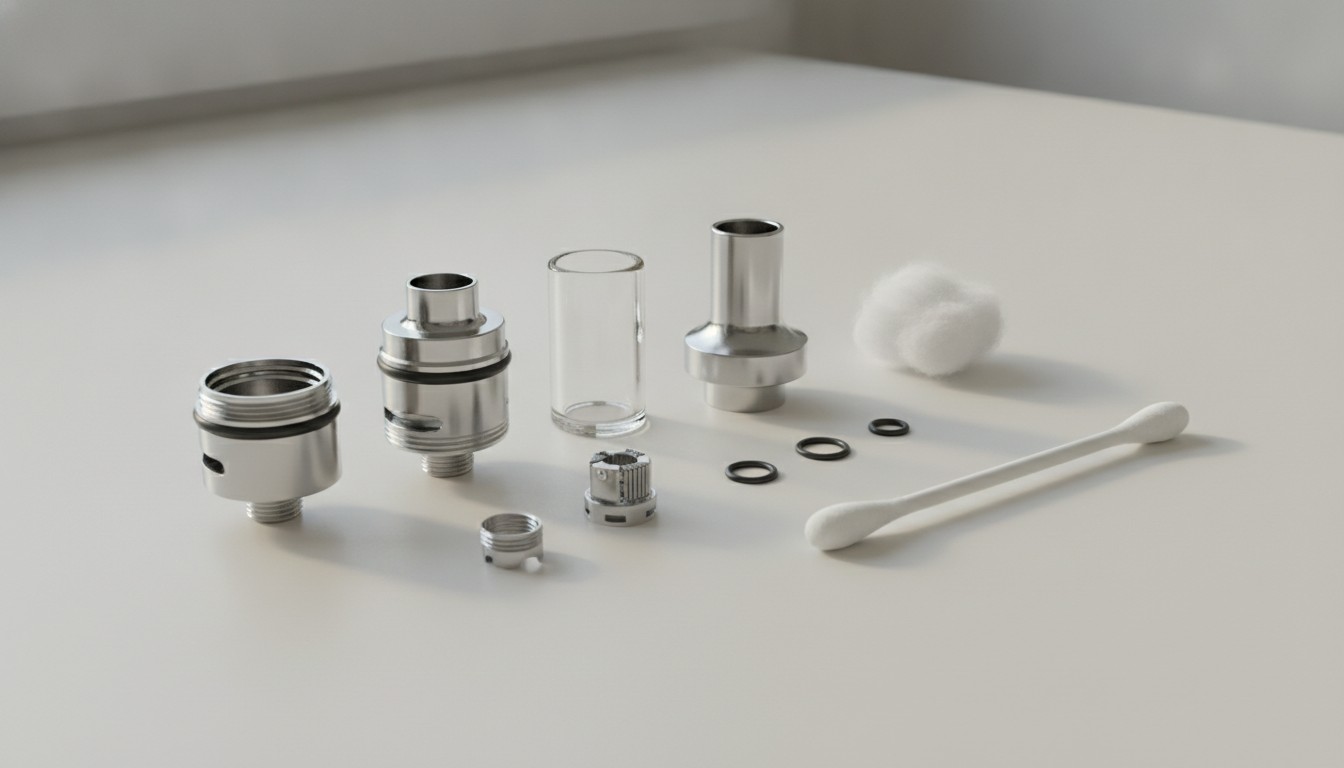
Take the pod or tank off and inspect the airflow openings. Darkened buildup or noticeably narrowed slots need a gentle clean with a dry cotton swab or a small piece of paper towel. But check the adjustable airflow ring first; it’s surprisingly easy to accidentally nudge one to a closed or nearly-closed position, and fixing that takes about two seconds.
Don’t overlook the mouthpiece. Condensation builds up inside the drip tip over time, and sometimes it blocks airflow completely. Pull it off, rinse it with warm water, and let it dry fully; that alone often solves the problem on the spot.
E-Liquid Viscosity Mismatch
Not all e-liquids work equally well in all vape devices. This is something a lot of vapers do not consider when they switch flavors or brands.
E-liquids vary in their ratio of propylene glycol (PG) to vegetable glycerin (VG), and that ratio matters more than most people realize. High-VG liquids are thick, and sub-ohm tanks with mesh coils and wide wick ports are built to handle that viscosity. Smaller pod systems with tighter wick ports are not built for that thickness; fill one with a thick high-VG blend and the wick simply can’t absorb liquid fast enough to keep pace with your draws. The coil runs dry, output drops, and you get dry hits from a pod that’s still full.
The reverse is also true. A thin, high-PG liquid in a low-resistance sub-ohm coil can flood the coil, leading to the same gurgling and weak output described earlier.
Match your liquid to what the device is built for. Pod systems generally work best with balanced or high-PG blends; sub-ohm tanks perform better with high-VG liquids. When in doubt, check the manufacturer’s recommendations.
Auto-Shutoff and Chip Protection Modes
Modern vapes have onboard chips that monitor performance and cut power automatically when something looks wrong. These safety features are useful, but they can also cause sudden shutdowns that leave vapers confused.
Most regulated mods have a puff limit, usually around 8 to 10 seconds, after which the chip cuts the power. If you’re taking very long draws, the device will fire normally for a few seconds and then simply stop. It isn’t broken. It’s protecting itself.
Protection modes can also fire for other reasons: a shorted coil, a loose connection between the coil and the mod, a tank that isn’t seated right, or even a firmware glitch. The device might flash an error code or just refuse to fire at all. Pull the tank, reseat the coil, and reinstall everything snugly. A lot of connection problems come down to the 510 pin not making solid contact.
If the device shows a specific error (like “low resistance” or “check atomizer”), address that error directly rather than repeatedly pressing the fire button. Forcing a fire through a protection mode warning can damage the coil, the device, or both.
Conclusion
A full tank does not guarantee a working vape, as the coil, battery, airflow, e-liquid type, and the device’s own protection systems all play a role. Understanding what causes a vape to stop working even when it has e-liquid left saves you from unnecessary purchases and helps you fix the actual problem quickly. Start with the simplest checks first: reseat the coil, charge the battery fully, and clear the airflow. Most issues resolve at that step.

