
A repair café can be hard to picture if someone has never attended one. The most useful introduction I can imagine is a short video following a worn canvas tote from the entrance to the sewing table. The owner comes in with a small tear near the handle. A volunteer spreads the tote on the table, asks how it is used, and looks at the fabric from the inside. A few shots later, the bag leaves with a visible repair. That simple journey can tell a viewer what to expect while showing some of the care that goes into keeping an ordinary object in use.
I would film the actual repair with the permission of everyone involved. For planning, I would bring photos of an empty table and a worn canvas bag, a reference clip of a hand turning the fabric and a recording of the room. A moving draft in seedance 3.0 could help me find the transition from the wide arrival shot to the first close-up. I would use a bag with a distinctive handle so a viewer can recognize it even when only one part of it is in frame.
Show where a new visitor should go
The first shot would begin as the tote is carried through the doorway. A sign and a registration desk can sit in the background. I would keep the camera near the height of the bag, which gives us a reason to follow it as the owner walks toward the table. The video should show that someone can arrive with a single item and talk through a possible repair before any work starts. If the entry process varies between events, I would add a short note beside the finished video with the organizer’s actual information.
Using the doorway photo as an image reference in Seedance 3.0, I would test whether a fixed viewpoint is enough. A hand carries the tote from the near edge of the image toward the nearest free seat. If that view makes the table look like it is part of a shop counter, I would add a second angle showing the two chairs opposite one another. In the final shoot I would ask the volunteer how they ordinarily welcome someone. A natural gesture toward an empty chair can be more informative than another shot of a sign.
Give the condition of the fabric space to register
At the table, I would switch to a close shot as the owner turns the handle over. The tear appears where the handle meets the canvas. I would light the surface from the side so its texture and the opening are both visible. Then I would move the frame back just enough to catch the volunteer turning the bag over and showing the inside. A clean shot here can explain why someone might look for the extent of the damage before deciding how to approach the repair, much like repairing old or torn clothes.

In Seedance 3.0, I would pair a tabletop photo with the hand-motion clip and ask for a slow, single turn of the fabric. I would watch where the hand ends up when the bag comes to rest. If it covers the tear, I would change the angle and have the hand turn the bag at the other corner. That is a choice about filming the object clearly. The actual repair belongs to the people who can examine the bag in person and decide what it needs. I would capture the method they choose in a sequence of real shots.
Make the time between the shots honest
I would show the start of the work at normal speed, then use a brief time cut between two views taken from the same position. The bag and tools will be in slightly different places when we return. A short caption can say that some time has passed. I would give the volunteer an opportunity to explain the important step in their own words and make sure the picture shows the same part of the work. That keeps the explanation tied to the material in view instead of leaving a voiceover to cover a general montage.
A layer of room sound can hold the sequence together. Someone sets down a spool, several people talk farther away and a chair moves. I could provide a clean audio reference in Seedance 3.0 while testing whether the table close-up should arrive before or after the first line of explanation. For the final mix, I would keep the spoken words clear and allow the workshop noise to stay quiet underneath. I would check seedance 3.0 pricing while deciding how many motion drafts the cut needs. The two clips that need a test are the entry and the transition to the close-up. The rest can be assembled around what the repair actually looks and sounds like.
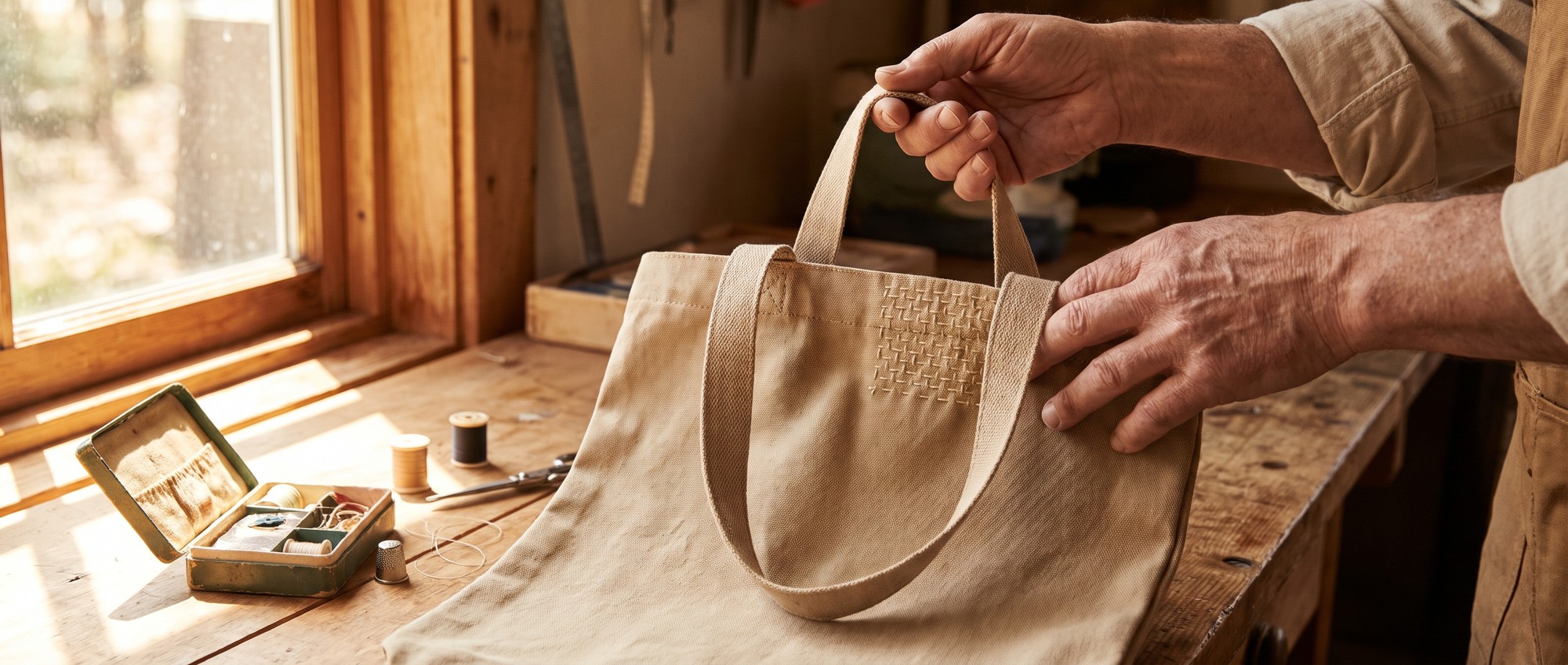
Finish with the repaired tote in the same light
The last shot would return to the handle from the same corner of the table. I would give the viewer a moment to see the work, then follow the handle as the owner picks the bag up. A simple return to the doorway lets the film show that the tote is going back into everyday use. I would put the next event’s information on a separate closing card and keep it visible long enough for a visitor to read the name and location. The organizer can update that card for later dates without recutting the repair sequence.
I would show the first version to someone who has never taken an item to a repair café. I would ask what they think would happen if they brought a bag or another object of their own. If they expect to drop it off and leave, I would add a little more of the conversation at the table. If they miss what changed on the tote, I would keep the last close-up longer. By then the Seedance 3.0 draft would have helped me choose where to place the camera. The finished video would give visitors something specific to picture when they decide what to bring.

