
The nuanced art and science of selecting the right cannabis strain is as rich and complex as the plant itself. Understanding the myriad effects that different strains can produce is essential for consumers looking to tailor their cannabis experience to their specific needs and preferences. This guide delves into the scientific principles behind cannabis strains, aiming to empower individuals with knowledge to make informed decisions.
The Fundamentals of Cannabis Strains
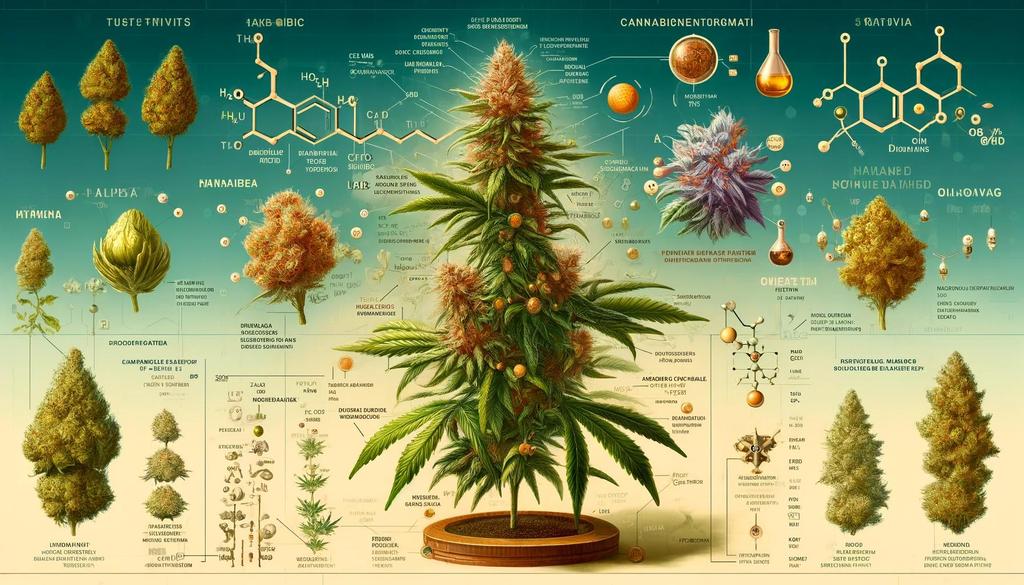
Weed strains are distinguished by their unique profiles of cannabinoids and terpenes, the primary compounds responsible for the plant’s effects, aroma, and flavor. At the heart of strain differentiation are two species: Cannabis indica and Cannabis sativa, each offering distinct effects attributed to their chemical compositions.
- Cannabinoids: Cannabinoids like THC (tetrahydrocannabinol) and CBD (cannabidiol) play significant roles in the effects of cannabis. THC is known for its psychoactive properties, while CBD is prized for its therapeutic benefits without causing a high. The balance between these compounds greatly influences a strain’s overall impact, with a wide range of ratios available to cater to various preferences and therapeutic needs.
- Terpenes: These aromatic compounds are found in many plants but are particularly abundant in cannabis. They contribute to the scent and flavor profile of each strain and are believed to modulate the effects of cannabinoids through a phenomenon known as the entourage effect. Common terpenes like myrcene, limonene, and pinene are associated with specific effects, such as relaxation, mood elevation, and alertness.
Decoding the Effects of Indica and Sativa
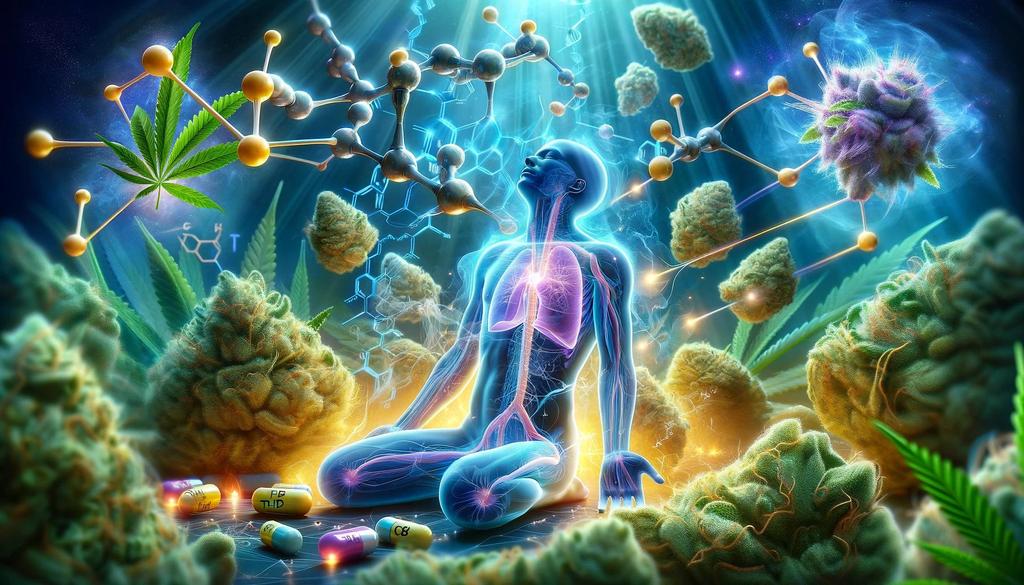
Traditionally, Cannabis indica and Cannabis sativa strains are thought to offer different effects, a distinction that has guided users in their strain selection. However, the reality is more complex, and the effects of a strain depend on a broader spectrum of factors, including the user’s biology, the specific cannabinoid and terpene profile, and even the consumption method.
- Cannabis Indica: Typically associated with a relaxing and sedating effect, indica strains are often preferred for evening use. Their chemical profile tends to have a higher concentration of CBD, making them a popular choice for managing pain, anxiety, and insomnia.
- Cannabis Sativa: Known for their uplifting and energizing effects, sativa strains are usually favored for daytime use. They typically feature a higher THC-to-CBD ratio, which can enhance creativity, focus, and mood. The precise effects, however, can vary widely among individuals, underscoring the importance of personal experimentation.

Hybrid Strains: Best of Both Worlds
Hybrid strains represent a significant portion of the market, bred to combine the desirable traits of both indica and sativa species. These strains offer a broad spectrum of effects, flavors, and aromas, catering to a diverse range of consumer needs and preferences.
- Hybrids can be indica-dominant, sativa-dominant, or balanced, allowing users to select a strain that closely matches their desired outcome. For example, an Indica-dominant hybrid might offer relaxation with a touch of mental clarity, while a sativa-dominant hybrid could provide energy without excessive euphoria.
- The breeding of hybrids also allows for the enhancement of specific terpene profiles, tailoring not only the effects but also the sensory experience of the cannabis. This diversity enables consumers to explore nuances in flavor and aroma, further personalizing their cannabis journey.

Navigating Strain Selection for Personalized Effects
Choosing the right cannabis strain involves considering several factors beyond just indica, sativa, or hybrid classifications. Personal biology, tolerance levels, and the specific effects desired are crucial in this decision-making process.
- Consider Your Desired Outcome: Whether seeking relief from stress, pain, insomnia, or a boost in creativity and energy, identifying your primary goal can significantly narrow down your options.
- Start Low and Go Slow: Especially for those new to cannabis or trying a new strain, starting with a low dose and gradually increasing it is a wise approach. This method allows individuals to gauge their reaction to the specific cannabinoid and terpene profile of the strain.

Cannabis Strains: Genetics, Chemistry, Personal Experience
The science of cannabis strains is a complex interplay of genetics, chemistry, and individual physiology. By understanding the basic principles behind strain effects—rooted in the variations of cannabinoids and terpenes—consumers can make more informed choices that align with their personal needs and experiences.
The journey through cannabis strains is one of discovery and experimentation, with each strain offering a unique palette of effects, flavors, and aromas. Armed with knowledge and an open mind, consumers can navigate the vast cannabis landscape to find their perfect match, enhancing both therapeutic outcomes and overall enjoyment.

