
Key Takeaways
- Small changes to lighting, walking paths, bathrooms, and storage can make everyday movement easier and safer.
- A short morning and evening routine can reduce avoidable risks without making life feel overly structured.
- An emergency plan works best when contact details, medical information, and communication tools are easy to reach.
- Technology can be helpful when it is simple, reliable, and chosen with privacy and comfort in mind.
- Home safety plans should change when mobility, health, medications, or daily routines change.
Living alone can support privacy, familiar routines, and independence, but it also makes preparation especially important. A safer home routine is not about turning a house into a medical setting. It is about removing everyday obstacles and ensuring that help can be reached when needed. For some people, an emergency call button may be one practical part of that plan, alongside a charged phone, trusted contacts, and clear pathways through the home. The most effective approach is personal. A person’s balance, eyesight, hearing, medications, memory, mobility aids, pets, and home layout can all affect which changes will be useful. Start with the rooms and routines used most often, then focus first on the hazards that are easiest to correct.
Why Home Routines Matter
Predictable routines can make daily tasks easier to manage. When lights are turned on before walking, medications are taken at a regular time, and needed items are returned to the same place, there is less need to search, rush, or make decisions while tired. Repeated small risks, such as stepping over a cord or reaching for a high shelf, can become more concerning when they happen every day. Safety planning should protect independence, not remove it. The goal is to make preferred routines easier to continue, whether that means cooking a favorite breakfast, gardening, caring for a pet, or walking to the mailbox. A room-by-room review can help identify immediate concerns such as poor lighting, loose carpeting, and crowded walkways. A more detailed home safety and fall prevention guide can help with prioritizing the changes that matter most.
Start With a Room-by-Room Walkthrough
Walk through the home at times when problems are most likely to arise, such as early morning, after dark, or during a hurried meal or bedtime routine. Wear the shoes or slippers you normally use at home, and use a cane, walker, or other mobility aid if it is part of your daily life.
Questions to Ask During the Walkthrough
- Are walkways clear of shoes, cords, pet toys, low furniture, and loose rugs?
- Can light switches be reached before crossing a dark room?
- Are commonly used items stored between waist and shoulder height?
- Is there a stable place to sit while dressing, putting on shoes, or preparing food?
- Can a phone, alert device, or voice-controlled communication tool be reached easily?
Reduce Common Fall Risks
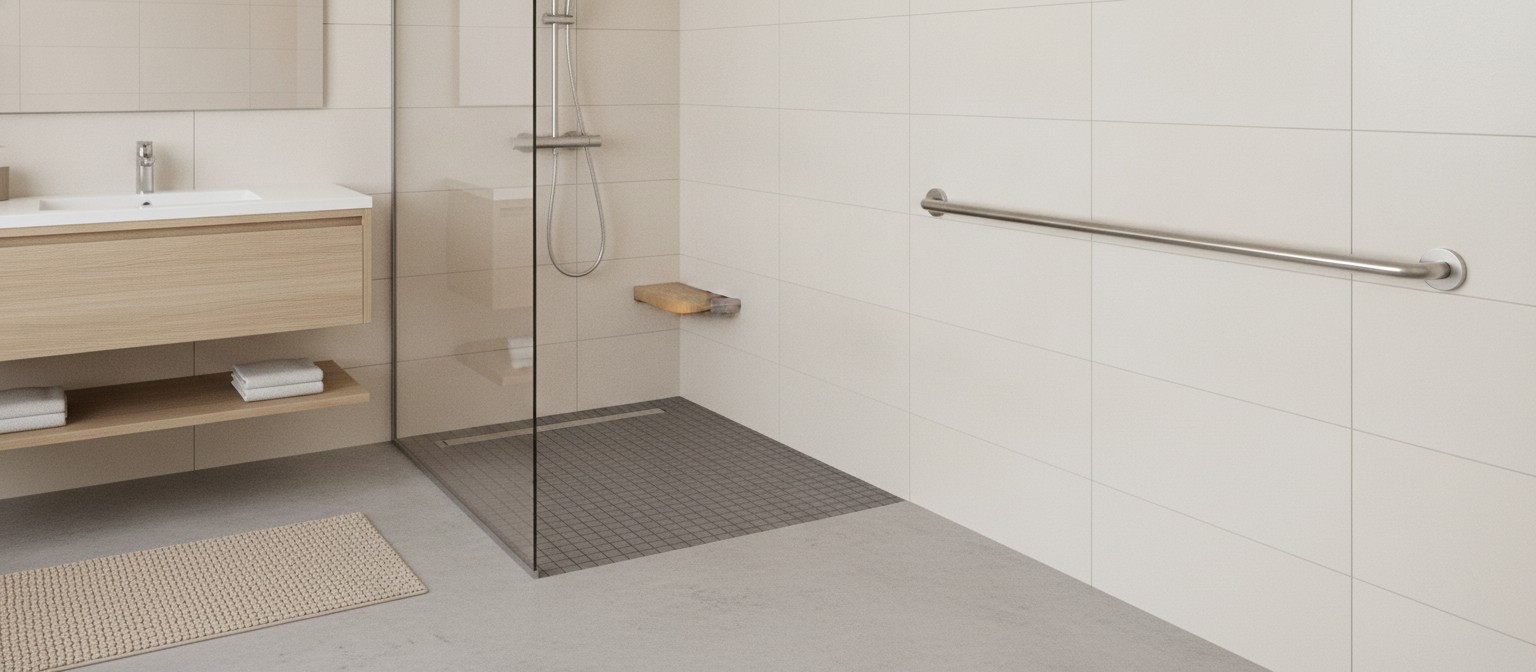
Falls can happen in any room, but simple home adjustments can reduce common hazards. The National Institute on Aging recommends practical changes, such as securing carpets, improving lighting, and installing appropriate bathroom supports, to create a safer home environment.
Bathroom Safety
- Use properly installed grab bars near the toilet and in the bathing area.
- Keep floors dry and use slip-resistant surfaces where water may collect.
- Store soap, towels, and toiletries within easy reach.
- Consider a shower chair or handheld showerhead if standing for a full shower is tiring.
Bedroom and Hallway Safety
- Use nightlights along the route from the bed to the bathroom.
- Keep glasses, a lamp, water, and a communication device beside the bed.
- Remove low stools, baskets, or furniture that may be hard to see at night.
- Leave enough clear space for a walker, cane, or steady turn.
Kitchen Safety
- Store heavy cookware and daily dishes where they can be reached without stretching.
- Keep towels, paper products, and potholders away from burners.
- Use appliances with automatic shut-off features when they fit the person’s needs.
- Take rest breaks on a sturdy chair rather than standing through a long meal-preparation task.
Build a Simple Daily Checklist
A checklist should be short enough to use consistently. It can be written in large print, placed near the coffee maker, or saved as a recurring reminder on a phone. The purpose is to create helpful habits, not to make each day feel clinical.
Morning Check
- Turn on the lights before moving through dim rooms.
- Check the weather and choose footwear suited to conditions outside.
- Take medications exactly as directed by a health professional.
- Confirm that a phone or communication device is charged and nearby.
Evening Check
- Clear the main path between the bedroom and bathroom.
- Turn on nightlights or motion-activated lighting.
- Place water, glasses, and needed medications near the bed if appropriate.
- Check that cooking appliances are off and entry doors are secured.
Prepare for Emergencies
Create a One-Page Emergency Sheet
Keep a printed emergency sheet in a visible, consistent place, such as on the refrigerator or beside a landline phone. Include the person’s full name and address; emergency contacts in call order; doctors and pharmacy; medications; allergies; mobility needs; communication preferences; pets; and any building entry instructions.
Set Up a Check-In Plan
Choose one or two trusted people for regular calls, texts, or brief check-ins. Agree in advance on what should happen if a message is missed. A clear plan might include trying to reach the person again, contacting a nearby neighbor, and calling emergency services when there is reason to believe urgent help is needed.
Practice the Plan
Practice calling for help, providing your home address, describing a medical concern, and unlocking the door if it is safe to do so. The CDC also encourages home safety measures such as removing trip hazards, improving lighting, and adding grab bars where needed.
Use Technology Wisely
Technology is most useful when it solves a specific problem without adding confusion. A complicated device that is rarely charged or difficult to operate may not be helpful in an urgent moment. Choose tools that match the person’s comfort level, physical abilities, budget, and internet or phone service.
Helpful Options to Consider
- Large-button phones, voice assistants, or phones with favorite contacts displayed clearly.
- Medication reminders that use an alarm, alert, or organizer.
- Motion-activated lights for hallways, entrances, and bathrooms.
- Door, stove, or smoke alerts where they address a genuine concern.
- Wearable alert devices that can connect the user with assistance.
- Video calls make regular contact with family and friends easier.
Privacy Questions to Ask
- What information does the device collect?
- Who can access that information?
- Can alerts be adjusted or turned off?
- What happens during a power outage or internet interruption?
- Can the person use the device independently?
Involve Family Without Removing Independence
Family support is often most helpful when it begins with listening. Ask what feels difficult, what changes would be welcome, and what should remain the same. Use questions such as, “What would make this easier?” rather than assuming that every familiar object or habit needs to change. Begin with one or two improvements, such as clearing a hallway or adding a bedside light. Shared decisions can preserve privacy and control while still addressing real risks. If concerns follow a fall, new diagnosis, or change in mobility, a health care professional may be able to recommend appropriate next steps.
Review the Plan Over Time
Home safety is not a one-time project. Review the plan every six to twelve months, and revisit it sooner after a fall, near fall, hospital stay, medication change, new diagnosis, vision or hearing change, or introduction of a mobility aid. What worked well last year may need adjustment as routines and abilities change.
Common Questions
What Is the First Step in Making a Home Safer?
Start with a slow walkthrough of the areas used most often. Look for clutter, dim lighting, loose rugs, hard-to-reach items, and places where balance feels uncertain.
How Can Someone Living Alone Get Help Quickly?
Keep a communication device nearby, create a dependable check-in plan, and choose an emergency support option that is easy to use under stress.
Should Every Older Adult Use Smart-Home Technology?
No. Technology should address a real need and be comfortable to use. For some people, a well-lit home, a charged phone, and regular calls may be the best fit.
How Can Family Members Help Without Being Overbearing?
Ask permission, listen carefully, and make changes together. The aim is to support the person’s choices while reducing avoidable risks.

Conclusion
A safer home does not require a major renovation or a loss of independence. Simple changes, such as clearing pathways, improving lighting, securing loose rugs, and keeping frequently used items within easy reach, can make everyday activities more manageable for older adults living alone. Steady daily habits, regular check-ins with trusted people, and a clear emergency plan can also provide added reassurance. It may help to review each room for possible hazards and consider whether the home still supports the person’s mobility, comfort, and routine. Start with one room, address the most obvious risk, and make adjustments gradually. As health, mobility, or living circumstances change, continue to review the home and safety plan to ensure it remains practical and respectful of the older adult’s independence.


