
Concrete looks tough and permanent, and it is, but it’s not as invincible as it appears. Bare concrete is actually porous, which leaves it open to staining, moisture damage, and the kind of wear that leads to cracks over time. A driveway, patio, or floor left unsealed slowly deteriorates in ways that are hard to reverse.
Sealing concrete is a simple, cost-effective way to protect it and keep it looking good for years. Here’s why it matters and what’s involved.
Why bare concrete is vulnerable
The key thing to understand is that concrete is porous. Its surface is full of tiny pores that readily absorb liquids, which is why an oil spill or a spilt drink can leave a permanent mark. Those same pores let water penetrate, and over time that moisture contributes to surface damage and deterioration.
Left unsealed, concrete is exposed to everything that lands on it and every bit of weather it faces, which gradually takes a toll on both its appearance and its integrity.
Protection from stains and spills
One of the most immediate benefits of sealing is stain resistance. A sealed surface repels oil, grease, and spills rather than absorbing them, so they can be wiped or washed away before they set in. For driveways and garage floors especially, where oil drips are inevitable, this is a major advantage.
Keeping stains on the surface rather than in the concrete means your paving or floor stays looking clean and cared-for with far less effort.
It also makes routine cleaning easier across the board, since a sealed surface releases dirt and grime more readily than raw, porous concrete that tends to grip onto everything.

Guarding against moisture and weather
Sealing also helps keep water out, which is important because moisture penetration is a leading cause of concrete damage over time. By reducing how much water the surface absorbs, a sealer helps protect against the gradual deterioration and cracking that moisture contributes to.
For outdoor concrete exposed to sun, rain, and temperature swings, that added protection against the elements meaningfully extends the life of the surface.
Types of sealer
There are different kinds of concrete sealer suited to different needs. Penetrating sealers soak into the concrete and protect from within while leaving the natural look largely unchanged. Topical sealers form a protective layer on the surface and can add sheen and enhance the appearance.
The right choice depends on the surface, how it’s used, and the look you want, so it’s worth matching the sealer to the specific application rather than assuming one suits everything.
Application and getting it right
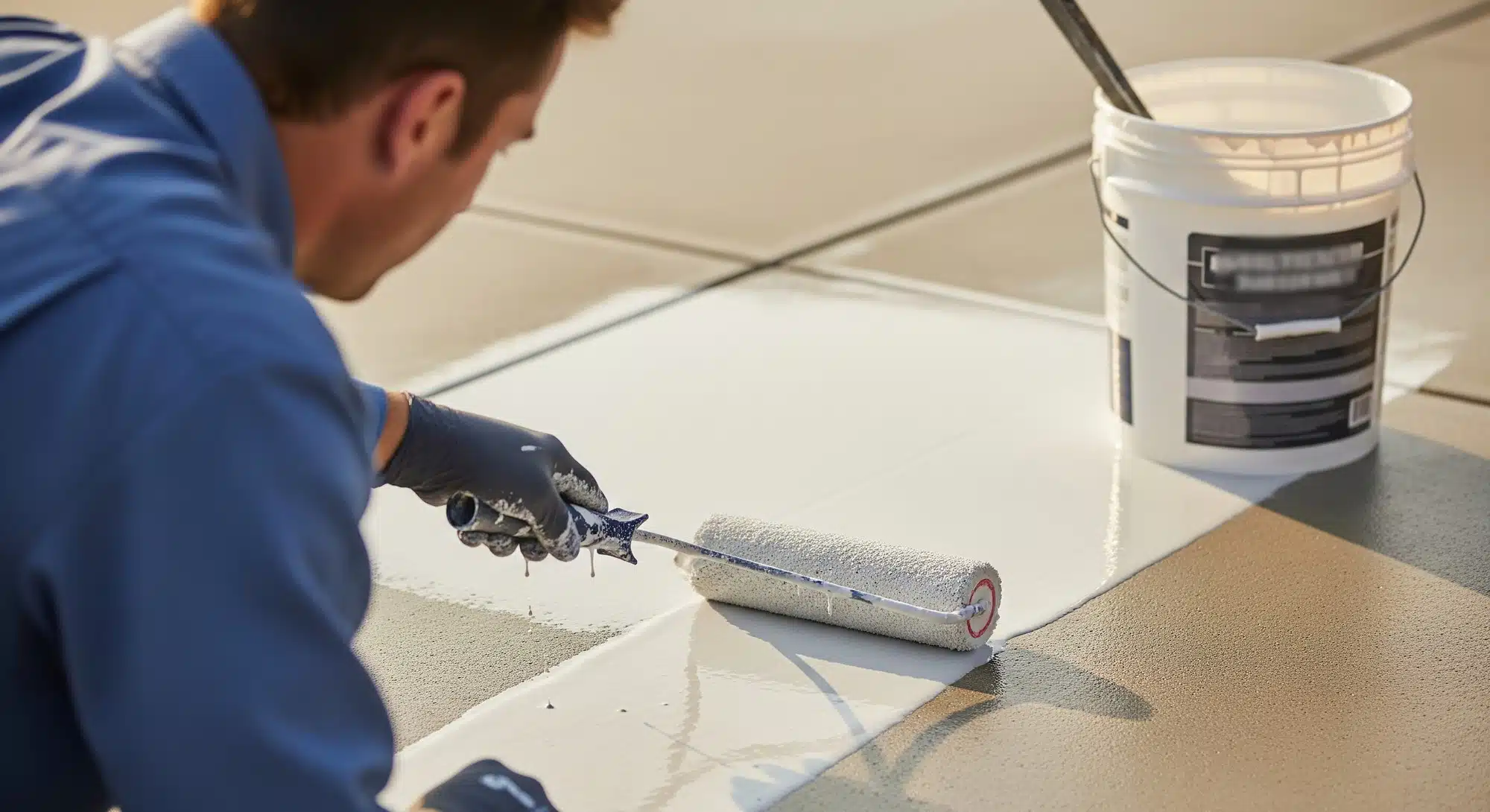
Sealing concrete properly requires a clean, prepared surface and correct application, as a sealer applied over a dirty or damp surface won’t bond or perform as it should. Good preparation is what allows the sealer to do its job and last.
While some sealing is a manageable job, larger areas or particular finishes are often best handled by professionals who can ensure the surface is prepared and the sealer applied correctly for a durable result.
Maintenance and resealing
Sealer doesn’t last forever. Over time, and with wear and weather, it gradually breaks down, which is why concrete needs resealing periodically to maintain its protection. Keeping an eye on the surface and resealing when the protection starts to fade keeps your concrete guarded for the long term.
With sealing and the occasional reseal, a driveway, patio, or floor stays protected from cracks and stains and keeps looking good for many years, making it a small investment that pays off well.


