
A well-maintained driveway enhances a property’s curb appeal and ensures a smooth, safe surface for vehicles and foot traffic. However, exposure to changing weather conditions, constant use, and natural wear can lead to cracks, potholes, and other issues. Preventing damage early on saves money and extends the lifespan of the surface.
Proactively maintaining your driveway can help prevent a costly driveway repair later on. Small issues caught early are easier and cheaper to fix. This approach keeps the surface durable and attractive for years. Below are five innovative ways to keep it in top shape.

1. Seal It Regularly
Sealing your driveway prevents water from seeping into the material, reducing the risk of expansion and deterioration.
- Protects against moisture, oil spills, and UV damage
- Prevents water seepage that causes cracks
- Helps maintain surface strength during weather fluctuations.
Experts recommend resealing every two to three years, depending on the local climate and the material used. A properly sealed surface repels stains and maintains its color and texture, making it a worthwhile investment in long-term maintenance.
2. Keep Water Away
Stormwater is one of the biggest threats to any driveway. Poor drainage can lead to erosion, cracks, and eventual sinking. Ensuring proper water flow prevents excess moisture from accumulating and weakening the structure.
- Keep gutters clear of debris
- Direct downspouts away from the driveway
- Fix low spots that collect water.
This can be followed by installing a slight slope to help rainwater run off efficiently, preventing pooling and potential structural issues.
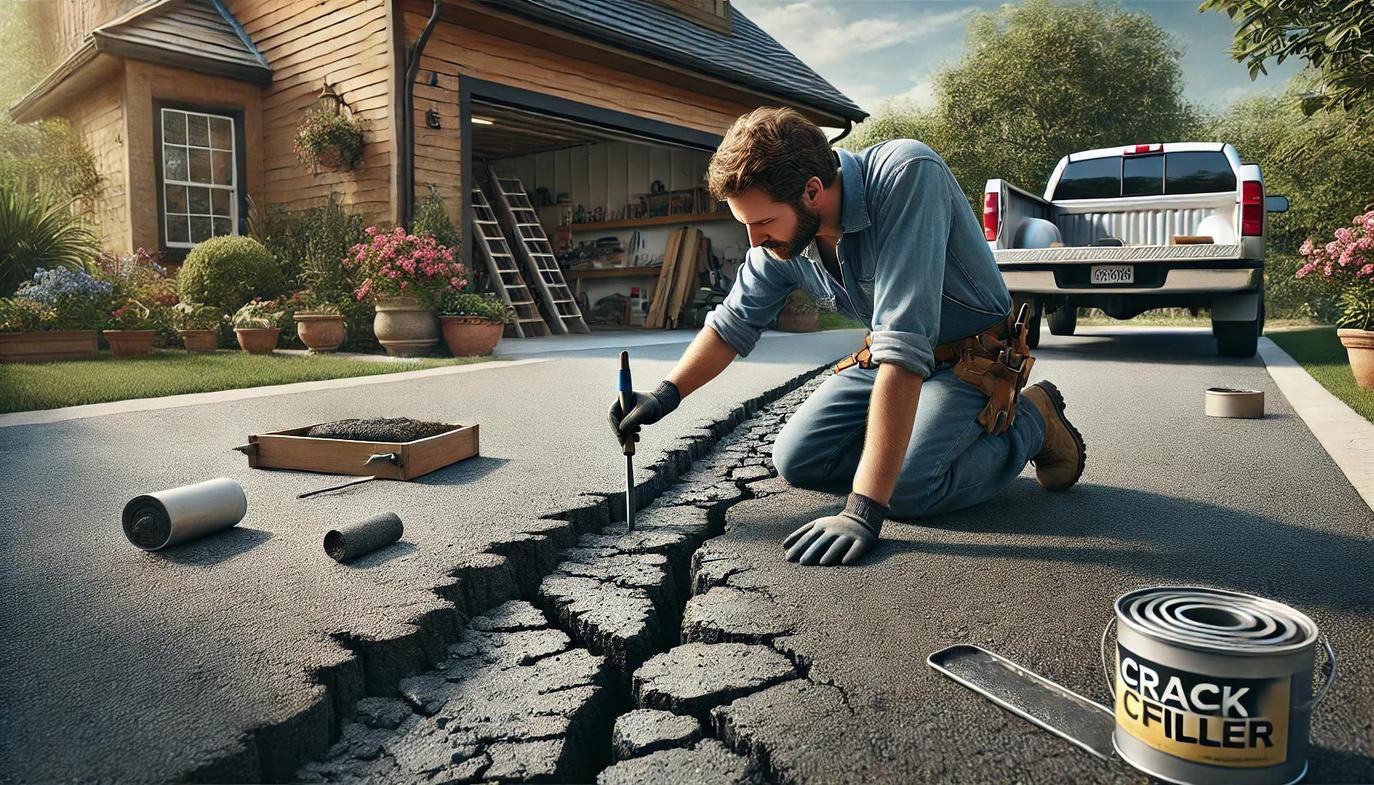
3. Address Small Cracks Immediately
Even minor cracks can turn into significant problems if left unattended. Small gaps allow moisture to penetrate the material, causing further expansion and deterioration. Regular inspections help catch early signs of wear before they worsen.
- Use filler or patching compound
- Stop moisture from worsening cracks
- Extend driveway life with early repairs.
Look out for uneven surfaces or tiny fractures to ensure the pavement remains strong and resists weather-related damage.
4. Avoid Heavy Loads and Sharp Turns
Heavy vehicles and sharp maneuvers are among the top contributors to surface damage. Whether it’s trucks, trailers, or large machinery, prolonged pressure and repeated tight turns can cause significant structural wear.
- Limit parking of heavy trucks, trailers, and equipment to prevent surface stress
- Avoid long-term stationary weight that compromises subsurface structure
- Prevent tight or sharp turns, especially in hot weather, to reduce surface damage
- Encourage wide, gradual turns to maintain surface integrity and reduce wear
Together, these actions minimize stress on the driveway, helping to keep it smooth and durable over time.

5. Use High-Quality Repair Products
Not all driveway repairs are created equal. Investing in the right materials can make the difference between a short-term patch and a long-lasting fix.
- Use weather-resistant asphalt repair materials for lasting durability
- Avoid temporary fixes that don’t address long-term performance
- Choose mixes formulated to withstand traffic and climate extremes
- Apply products that restore surface strength with minimal effort
Smart material choices not only improve resilience but also reduce the need for frequent maintenance.
How to Keep Your Driveway Strong for Years
Protecting your driveway doesn’t have to be difficult or expensive. With consistent maintenance—like sealing regularly, managing drainage, and fixing small cracks early—you can prevent most damage before it starts. These simple steps not only enhance curb appeal but also extend the life of your driveway surface.
By using high-quality repair materials and avoiding unnecessary strain, homeowners ensure their driveway stays safe, smooth, and weather-resistant for years to come. A little effort now can save major driveway repair costs later.

Driveway Damage Prevention Tips
How often should I seal my driveway?
Every two to three years is ideal. Sealing protects against water, UV rays, and stains, extending the lifespan of your surface.
What causes driveway cracks to worsen over time?
Moisture is the main culprit. Water seeps in, freezes, expands, and breaks the material apart. Fixing cracks early is key.
Can I prevent water pooling without major construction?
Yes! Clear gutters, redirect downspouts, and grade the driveway slightly to help water run off properly.
Do heavy vehicles really damage driveways?
Absolutely. Trucks, RVs, and trailers can put excessive pressure on the surface, especially when parked for long periods.
Are all repair products the same?
Not at all. Choose durable, weather-resistant materials for long-term results. Quick fixes often lead to recurring problems.

