
Gutters are often the unsung heroes of our homes, quietly channelling water away from foundations, walls, and landscaping. Yet despite their crucial role in protecting property from water damage, gutters are frequently neglected until problems become severe. Fortunately, the gutter repair industry has undergone a remarkable transformation in recent years, with cutting-edge technology revolutionising how professionals diagnose, repair, and maintain these essential systems. From advanced inspection tools to innovative repair materials and methods, modern gutter repair has become more efficient, durable, and cost-effective than ever before. This article explores the latest technological advancements that are reshaping the gutter repair industry and providing homeowners with superior solutions for maintaining their properties.
Drone-Assisted Gutter Inspection
One of the most significant technological leaps in gutter repair is the use of unmanned aerial vehicles (UAVs), commonly known as drones, for initial assessments. Traditionally, inspecting gutters on multi-storey buildings or properties with complex rooflines required scaffolding, ladders, or expensive cherry pickers. These methods were not only time-consuming and costly but also posed safety risks to technicians.
Modern drones equipped with high-resolution cameras and thermal imaging capabilities can now perform comprehensive gutter inspections in a fraction of the time. These devices can capture detailed imagery from multiple angles, identifying blockages, cracks, misalignments, and areas of standing water that might not be visible from ground level. Some advanced systems incorporate artificial intelligence algorithms that can automatically detect common gutter problems, flagging areas of concern for human review.
The thermal imaging capabilities are particularly valuable, as they can identify areas where water is penetrating behind gutters or into wall cavities—problems that might otherwise go undetected until significant damage has occurred. This technology allows gutter repair professionals to provide homeowners with accurate, evidence-based assessments without the delays and expenses associated with traditional inspection methods.
Seamless Aluminium Forming Machines
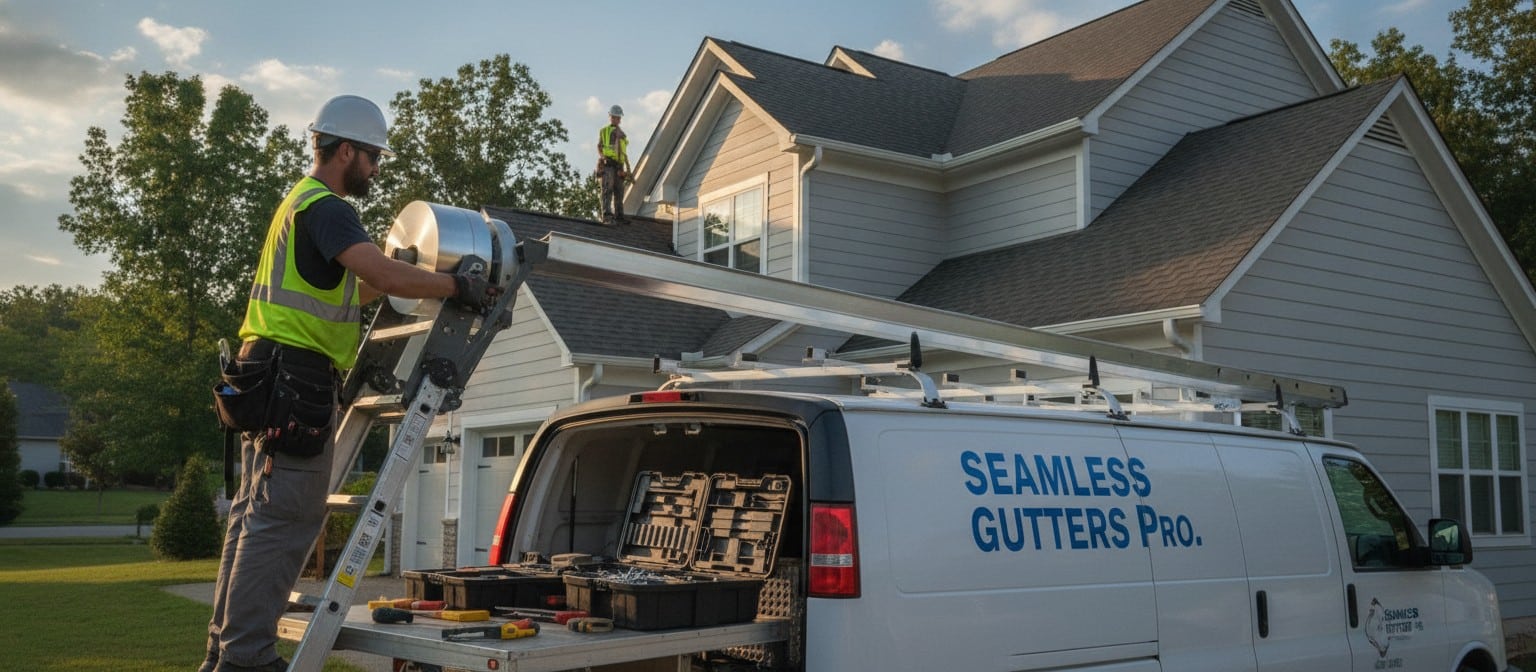
The advent of mobile seamless gutter machines has transformed how replacement guttering is fabricated and installed. These sophisticated machines, which can be transported directly to job sites in specially equipped vans, create custom-length gutters without seams or joints—traditionally the weakest points where leaks most commonly develop.
These machines use computer-controlled rollers to form flat aluminium coils into precisely profiled gutter sections of any required length. The technology eliminates the need for sectional gutters that must be joined together, significantly reducing potential leak points and creating a cleaner, more aesthetically pleasing appearance. The on-site fabrication also means that gutters can be made to exact specifications, reducing waste and ensuring a perfect fit for each unique property.
Modern seamless gutter machines can work with various materials including aluminium, copper, and steel, and can produce gutters in numerous profiles and sizes. Some advanced models include digital measuring systems that integrate with CAD software, allowing technicians to input exact measurements and produce gutters with millimetre-perfect precision.
Advanced Gutter Lining Systems
For gutters that are structurally sound but suffering from leaks or deterioration, modern lining technologies offer an alternative to complete replacement. These systems involve applying specially formulated coatings or installing prefabricated liners that create a new, watertight surface within existing gutters.
The latest generation of liquid-applied gutter linings utilises advanced polymer technology to create seamless, durable membranes. These products, often based on polyurethane or acrylic formulations, can be applied directly to clean, prepared gutter surfaces where they cure to form a flexible, waterproof barrier. Some systems incorporate reinforcing fleece that bonds into the coating, adding strength and bridging small cracks or gaps in the original gutter material.
What makes these modern linings particularly impressive is their ability to accommodate thermal expansion and contraction without cracking—a common problem with older coating technologies. Many products now offer UV resistance and come in various colours to complement existing guttering, with warranties extending up to 20 years.
For cast iron or historic gutters where preservation is important, prefabricated liner systems offer another solution. These involve inserting custom-formed liners made from materials such as aluminium or reinforced polymers into existing gutters, effectively creating a new gutter within the old one whilst preserving the external appearance.
Laser-Guided Alignment Technology
Proper gutter alignment is critical for effective water flow, yet achieving the correct fall has traditionally relied on manual measurements and the experienced eye of skilled installers. Today, laser-guided alignment systems bring precision engineering to gutter installation and repair.
These systems use laser levels to establish exact gradients along the entire gutter run, ensuring optimal water flow towards downpipes. Digital inclinometers can measure pitch to within 0.1 degrees, allowing technicians to identify and correct areas where gutters have sagged or become misaligned. Some advanced systems include smartphone integration, enabling technicians to document alignment measurements and provide clients with detailed reports showing that repairs meet required specifications.
This technology is particularly valuable when repairing gutters that have become detached or damaged, ensuring they are reinstalled with proper fall rather than simply being fixed back at their previous (potentially incorrect) positions.
Smart Gutter Monitoring Systems
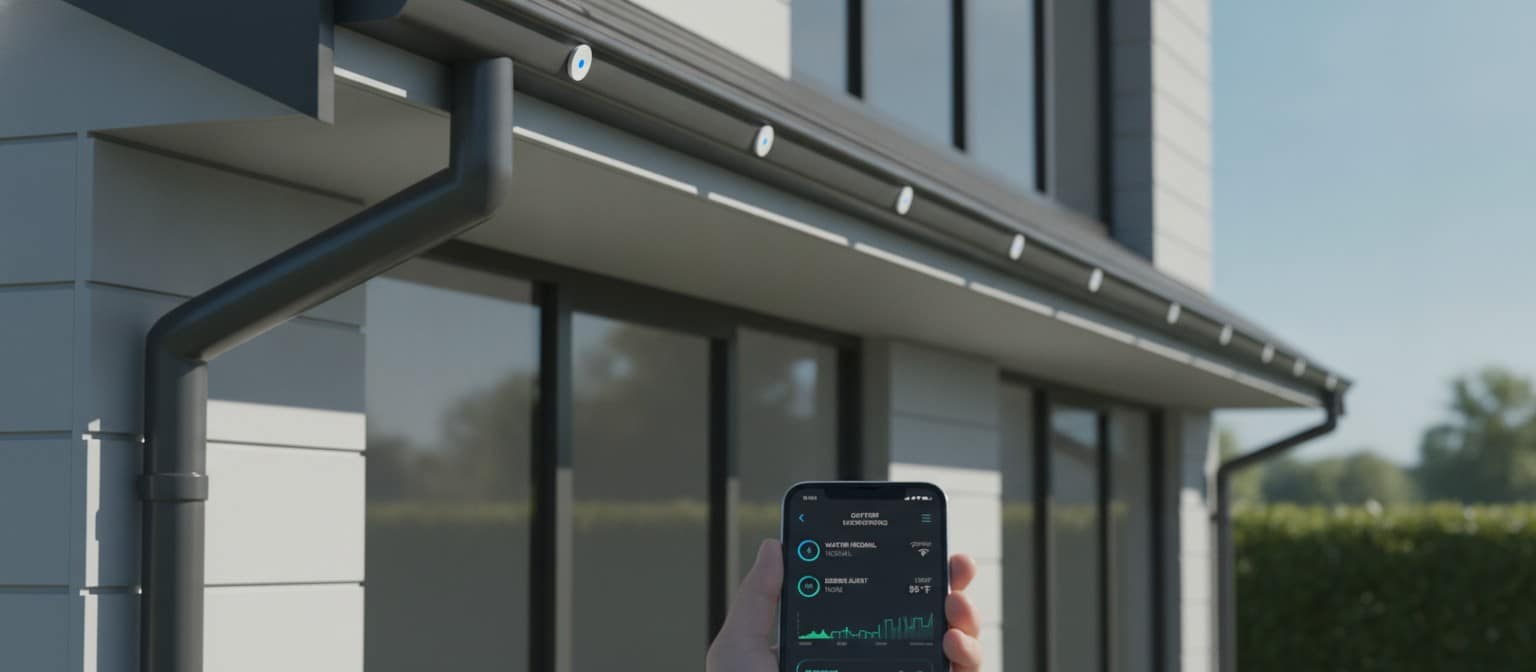
The Internet of Things (IoT) has reached the gutter industry, with smart monitoring systems now available that provide real-time data about gutter performance. These systems typically consist of wireless sensors installed at strategic points along gutter runs, which measure water flow, detect blockages, and monitor for overflow conditions.
When potential problems are detected—such as reduced flow indicating a blockage or standing water suggesting inadequate fall—the system alerts homeowners via smartphone app, allowing for preventative maintenance before damage occurs. Some sophisticated systems integrate with weather forecasts, providing advance warnings when heavy rainfall might overwhelm partially blocked gutters.
For commercial properties or homeowners who spend extended periods away from their properties, these monitoring systems offer invaluable peace of mind. The data collected can also help identify patterns—such as particular areas that frequently block—enabling targeted preventative measures.
Robotic Gutter Cleaning Systems
Whilst not strictly a repair technology, robotic gutter cleaning systems represent a significant advancement in gutter maintenance, helping to prevent the damage that necessitates repairs. These autonomous devices travel through gutters, using rotating brushes and augers to dislodge debris whilst a vacuum system collects the waste.
Controlled remotely by technicians on the ground, these robots eliminate the need for workers to climb ladders and manually clear gutters—a time-consuming and potentially dangerous task. Equipped with cameras, they also perform inspection functions simultaneously, identifying areas that require repair attention. For large commercial properties with extensive gutter systems, robotic cleaners can reduce maintenance time significantly compared to manual methods.
Eco-Friendly Repair Materials
Environmental concerns have driven the development of more sustainable gutter repair materials. Modern sealants and adhesives increasingly use water-based formulations rather than solvent-based products, reducing harmful emissions whilst maintaining excellent performance characteristics.
Recycled materials are also finding their way into gutter repairs, with some replacement sections now manufactured from recycled aluminium or plastics. Bio-based sealants derived from plant materials offer comparable performance to petroleum-based products whilst reducing environmental impact.
Conclusion
The technological revolution in gutter repair represents a significant step forward for both industry professionals and property owners. From drones that safely inspect even the most challenging rooflines to smart systems that monitor gutter performance in real-time, these innovations have made gutter maintenance more efficient, effective, and safer than ever before.
The combination of precision manufacturing, advanced materials, and digital monitoring systems means that modern gutter repairs are not only quicker and more cost-effective but also more durable and reliable. As these technologies continue to evolve and become more widely adopted, property owners can expect even better solutions for protecting their investments from water damage.
For homeowners considering gutter repairs, it’s worth seeking out professionals who employ these modern technologies. Whilst traditional methods certainly have their place, the latest innovations offer compelling advantages in terms of quality, longevity, and overall value. As with many aspects of property maintenance, embracing technological advancement in gutter care is an investment that pays dividends in the long term.

