
Fast and reliable order fulfillment separates businesses that keep customers coming back from those that struggle with complaints and cancellations. When orders are processed quickly and accurately, clients are more likely to buy again and recommend your business to others. Still, many businesses face delays in confirming orders. Inventory can get out of sync, and shipments sometimes arrive later than expected. These challenges are usually the result of gaps across multiple stages of the order fulfillment process.
To create a more efficient and dependable operation, businesses need to strengthen each part of the order flow, from the moment payment is completed to the final delivery at the customer’s doorstep. The following strategies focus on practical, scalable improvements that help reduce order delays.
1. Strengthen Payment Processing to Prevent Order Bottlenecks
Payment processing is often the first point where fulfillment delays occur. Slow checkout systems or frequent transaction failures can prevent timely order confirmations. When payments are delayed, teams cannot begin preparing orders, which creates a ripple effect across the entire operation.
Investing in a reliable payment terminal machine helps streamline this step. These machines minimize errors caused by incorrect card readings or system glitches, which can otherwise hold up order confirmation and delay order completion. Many terminals also integrate directly with point-of-sale (POS) and inventory systems, automatically updating stock levels and sending orders directly to the rest of the team. This seamless connection reduces the risk of overselling and ensures that orders move into the fulfillment pipeline immediately. In addition, advanced terminals support multiple payment methods, including credit and debit cards, digital wallets, and contactless payments. As such, businesses are more equipped to handle high-volume periods without bottlenecks.
2. Improve Inventory Management and Demand Forecasting
Inventory-related issues, such as stockouts and inaccurate counts, remain one of the most common causes of order delays. If these problems persist, they can lead to backorders and canceled purchases. Without reliable inventory data, businesses will struggle to meet customer expectations and maintain consistent order flow.
Using historical sales data and seasonal trends allows businesses to forecast demand more accurately, a strategy supported by McKinsey’s research on supply chain efficiency. This approach makes it easier to plan purchasing schedules and maintain appropriate stock levels. For fast-moving or high-demand products, in particular, holding safety stock provides a buffer that helps prevent disruptions during demand spikes.
Real-time inventory tracking further improves fulfillment performance. When inventory systems are synchronized across online and in-store channels, businesses gain better visibility into available stock. This ensures that teams are always working with accurate information, thus reducing errors and supporting faster order allocation.
3. Optimize Warehouse and Order Processing Workflows
Even with the right inventory in place, inefficient warehouse operations can slow down order processing and completion. Poor item arrangement and unclear storage locations often result in wasted movement and longer processing times.
To improve efficiency, businesses must reorganize warehouse layouts and optimize their kitting and fulfillment processes to prioritize fast-moving products. When popular items are placed closer to packing stations, it reduces travel time and speeds up order preparation. Standardized packing procedures play an equally important role. Clear guidelines for packaging, labeling, and documentation reduce mistakes and minimize the need for rework. When employees follow consistent processes, orders are fulfilled faster.
4. Leverage Technology and Automation Tools
Manual fulfillment processes often struggle to keep up with growing order volumes. Relying on paper-based tracking or disconnected systems increases the risk of errors and slows down communication between departments.
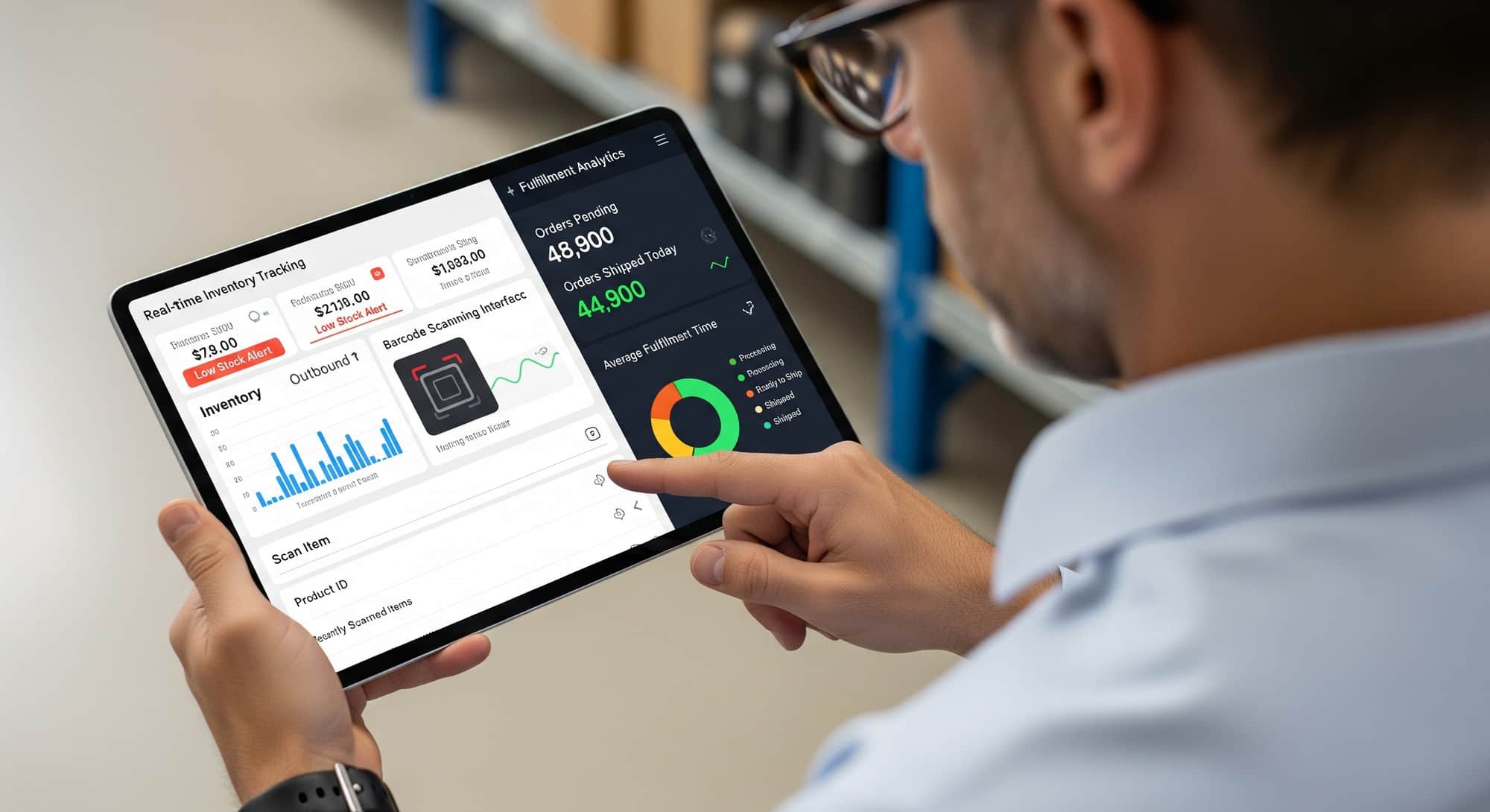
To address these operational bottlenecks, businesses can leverage technology that connects and streamlines every step of the process. Order management systems and warehouse management platforms help centralize data and automate routine tasks. Barcode scanning and automated status updates further reduce human error and speed up picking and packing activities. These tools enable real-time order tracking, improve inventory accuracy, and provide better visibility into fulfillment performance.
5. Build Strong Supplier and Logistics Partnerships
Fulfillment performance also depends on external partners. Delays from suppliers or unreliable shipping carriers can disrupt delivery timelines and damage customer trust.
Clear communication and well-defined expectations create a strong foundation for reliable supplier and logistics relationships. To build on this foundation, businesses can establish service-level agreements that define delivery schedules and ensure order accuracy. Meanwhile, backup suppliers and alternative carriers reduce dependency on a single partner and ensure flexibility during disruptions. It also helps to coordinate with suppliers and logistics providers about demand forecasts and shipment plans to improve efficiency and prevent bottlenecks. Actively monitoring partner performance ensures consistent service quality and helps quickly identify areas for improvement.
6. Prepare Your Operations for Growth and Peak Seasons
As businesses grow, fulfillment systems must scale accordingly. High-demand periods such as holiday sales or promotional campaigns often expose operational weaknesses and strain existing resources.
Businesses can maintain high service levels during peak periods through flexible staffing strategies, such as adjusting shift schedules or bringing in temporary team members. These measures allow operations to scale quickly in response to surges in orders without overburdening permanent staff. Third-party logistics providers add another layer of capacity, enabling companies to handle increased shipping volumes without investing in additional warehouse space or equipment. This approach not only ensures timely order completion during high-demand periods but also provides a cost-effective and scalable solution for long-term growth.

Building Resilience and Growth Through Smart Operations
Businesses that streamline their operations position themselves to build stronger customer relationships and drive sustainable growth. Strategic processes, reliable technology, and strong partnerships equip companies to respond quickly to changing demands while maintaining high standards. With these foundations in place, proactive planning and continuous improvement enable businesses to navigate market shifts and consistently deliver exceptional experiences that keep customers coming back.

