
Conductive sewing thread plays a vital role in enhancing textile functionality, particularly in managing static electricity. By integrating antistatic properties into fabrics, it addresses the growing need for safety and comfort across various sectors. Recent innovations, such as antistatic sewing thread with a metal core, further enhance textile performance by effectively minimizing static build-up. The global conductive threads market is projected to grow at a compound annual growth rate of 12.0% between 2026 and 2035, reflecting the rising demand for smart fabric integration across industries. This thread type, often incorporating a metal core, provides an effective solution for reducing static build-up in textiles.
Understanding Conductive Sewing Thread
Conductive sewing threads are engineered to carry electrical charges away from surfaces or bodies, minimizing the risk of static discharge. These threads typically include a metal core, such as stainless steel or silver, which enhances their conductivity. The inclusion of a metal core is crucial as it significantly improves the thread’s ability to conduct electricity. Such threads are indispensable in environments where static control is critical, like in electronics manufacturing or healthcare settings.
The electrical resistance of conductive threads varies depending on the core material and construction. Stainless steel threads, such as 316L grade, typically exhibit resistance values between 30 and 60 ohms per meter, while silver-plated nylon threads can achieve even lower resistance of 10 to 30 ohms per meter. A study on conductive thread performance published by the National Institutes of Health found that both embroidery and washing significantly affect thread conductivity, with resistance generally increasing after mechanical stress and laundering cycles.
The production of conductive sewing thread involves several key steps:
- Selection of the base material: Often polyester or nylon for durability.
- Incorporation of conductive elements: Mostly metals like silver or stainless steel.
- Testing for conductivity: Ensuring consistent performance standards.
This complex manufacturing process ensures that the threads meet specific requirements necessary for their intended applications. Quality control at each stage is essential, as inconsistencies in the metal core or coating can lead to uneven conductivity and premature failure in the field.
Applications and Benefits
The use of antistatic sewing thread metal core extends across numerous industries due to its unique benefits. In workwear and protective clothing, these threads help prevent electrostatic discharge (ESD), which can damage sensitive electronic components. Additionally, they enhance wearer comfort by minimizing static cling and sparking risks. Antistatic properties are also beneficial in creating smart textiles used in medical devices or wearable technology. By integrating conductive properties directly into fabric seams, manufacturers can ensure consistent performance across garments. The ESD conductive cloth market was valued at approximately USD 800 million in 2024 and is projected to reach USD 1.5 billion by 2033, growing at a CAGR of 7.5%.
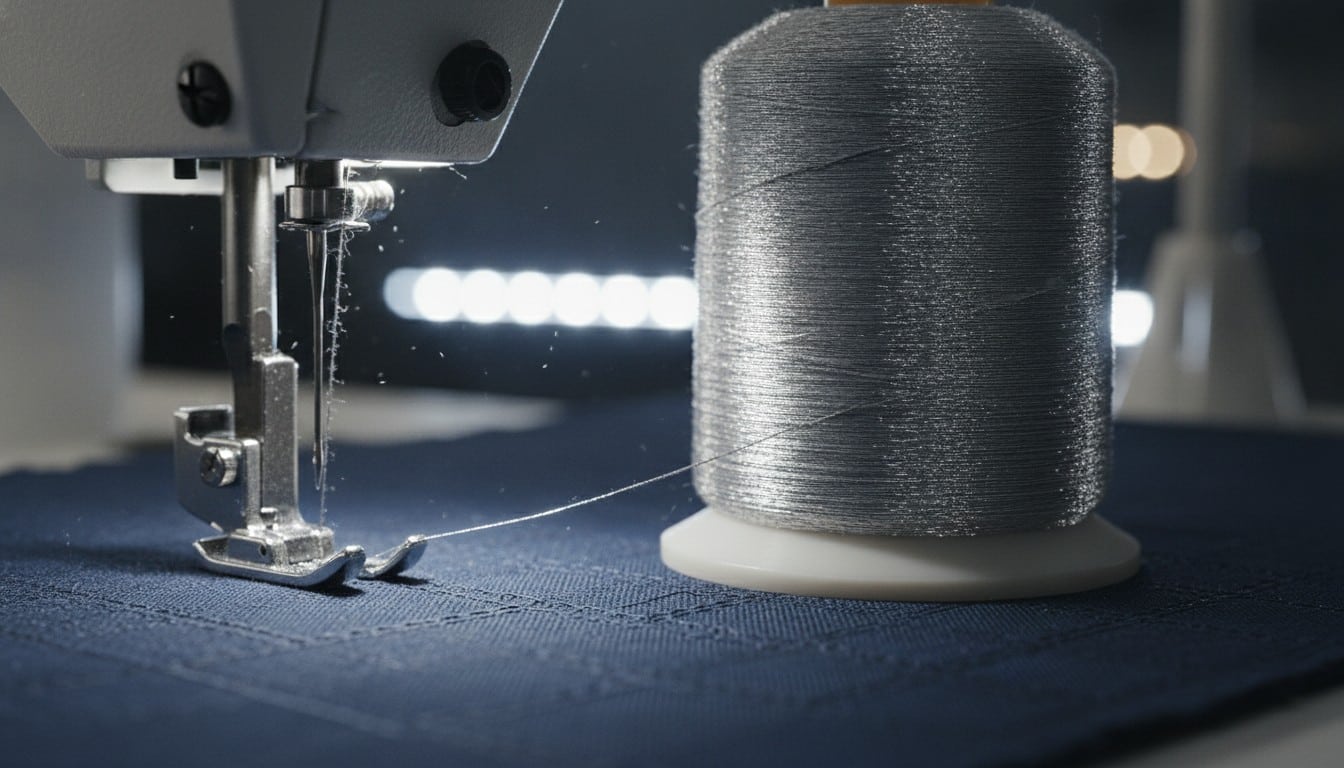
The advantages of using conductive sewing thread include:
- Improved safety through reduced ESD risks.
- Enhanced durability and longevity of garments.
- Increased comfort by reducing static-related issues.
Beyond industrial applications, conductive threads are increasingly found in consumer products. Fitness trackers, heated jackets, and medical monitoring garments all rely on conductive stitching to transmit data and power. The growing field of electronic textiles continues to push the boundaries of what fabric can achieve, with researchers developing hybrid yarns that combine metal cores with conductive polymer coatings for improved flexibility and wash durability.

The Future of Conductive Threads in Textiles
The demand for advanced textile solutions continues to rise as industries seek more efficient ways to integrate technology into everyday materials. Conductive sewing threads offer vast potential for innovation, especially with ongoing research into new materials and weaving techniques. The development of hybrid threads combining multiple conductive materials promises even greater efficiency and flexibility. This evolution could lead to more sophisticated smart fabrics capable of performing complex functions beyond static control.
Sustainable practices are also gaining traction within the industry. Efforts to reduce environmental impact involve developing eco-friendly conductive fibers that maintain effectiveness without compromising ecological standards. As these innovations progress, they are likely to redefine how conductive threads contribute to textile advancements globally.
In conclusion, conductive sewing thread with a metal core remains a cornerstone in designing functional textiles that meet modern demands for safety and convenience. Furthermore, the efficiency of antistatic sewing thread metal core in controlling static electricity has driven advancements in textile technology.


