
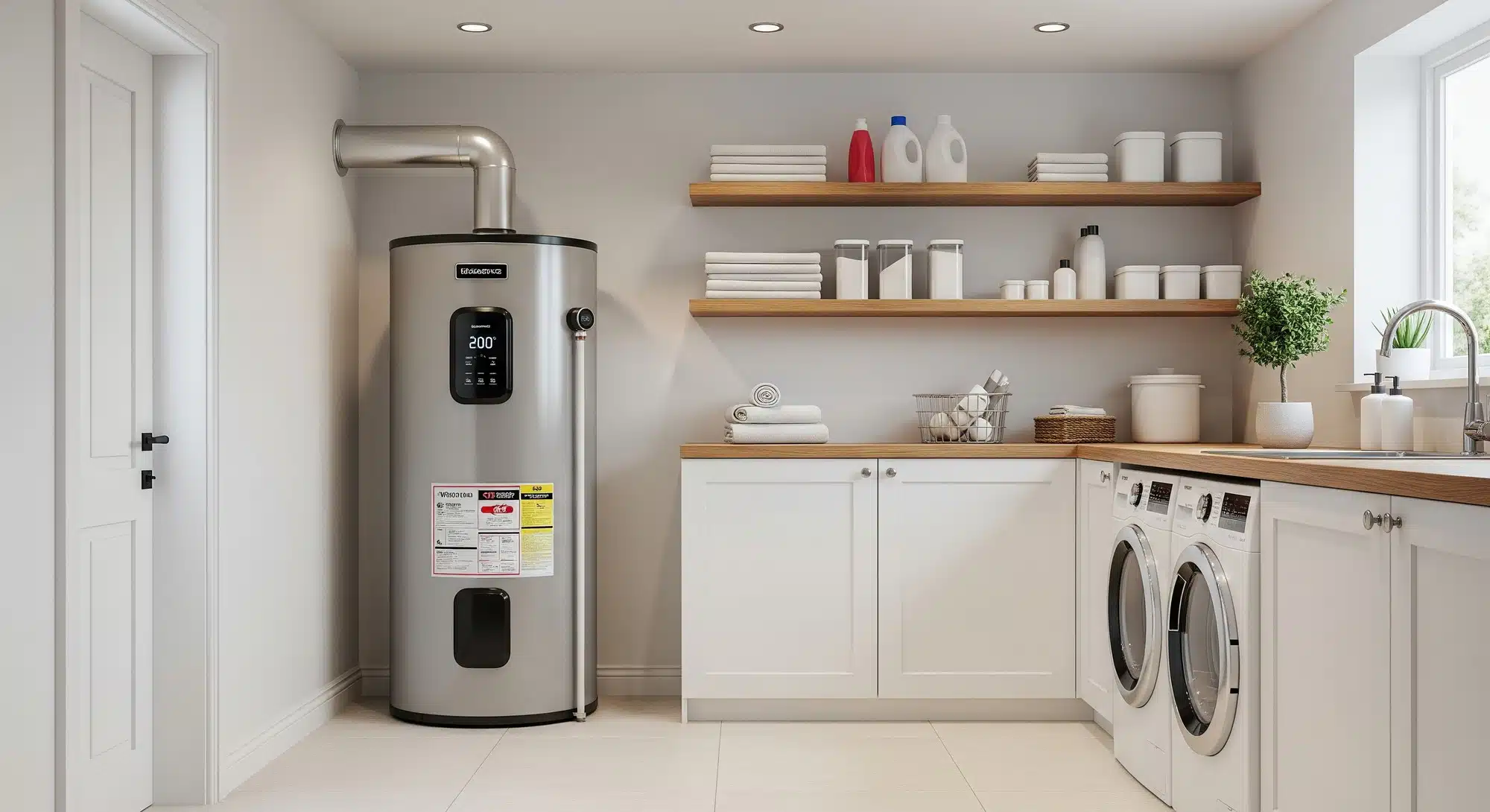
Hot water supports bathing, food safety, cleaning, and laundry every day, yet many older heaters use far more energy than most households realize. The U.S. Department of Energy estimates that water heating accounts for about 18% of home energy use, which makes it a major source of utility spending. Replacing an aging unit can reduce heat loss, improve temperature control, and lower strain on core components that affect daily comfort.
Why Timing Matters
In older homes, water heating efficiency often slips long before total failure becomes obvious. Hard water leaves mineral scale on heating surfaces, which lengthens run cycles and raises fuel use. During that stage, water heater installation in Santa Clarita becomes relevant when recovery slows, tank noise grows, or monthly charges rise without another clear household change.
Standby Losses Add Up
Storage tanks lose heat whenever warmed water sits unused between showers, dishes, or laundry loads. Newer models limit that waste through denser insulation, improved heat traps, and tighter tank construction. Fewer losses mean fewer burner cycles or element activations. Over time, that steadier pattern reduces energy demand without requiring any change in household habits.
Better Heating Control
Updated gas units regulate combustion more precisely than many older systems. Modern electric heaters also manage heating cycles with greater accuracy, which limits unnecessary reheating after light use. Some models include vacation settings or adaptive controls that respond to daily patterns. Those functions help reduce wasted energy while preserving consistent access to hot water.
Efficiency Ratings Help Compare Options
Visual appearance says very little about operating cost. Labels such as Uniform Energy Factor offer a practical way to compare expected performance across similar products. A higher rating usually signals better energy efficiency within the same category. Recovery rate, insulation quality, and control precision all shape that number, which makes side-by-side comparison far more useful than guesswork.
Right Sizing Prevents Waste
A tank that is too large keeps excess water hot for no real purpose, which increases standby loss. A small unit may recover too slowly after bathing or laundry. Correct sizing matches storage volume and recovery capacity with actual household demand. That balance supports steadier operation, lower utility use, and less mechanical strain over the years.

Heat Pump Models Cut Electric Use
Homes that rely on electricity may benefit from water heaters that use heat pumps. Energy Star reports that certified models can use about 70% less energy than standard electric units. In a four-person household, annual savings may reach roughly $550. These systems often perform well in warm utility areas or garages where they can draw heat from surrounding air.
Tankless Units Remove Storage Losses
Tankless equipment heats water only when a fixture opens, so no stored supply cools between uses. The Department of Energy reports efficiency gains of 24% to 34% in homes with lower hot water demand. Savings may narrow when several fixtures run at once. Careful sizing still matters because flow limits can affect simultaneous showers or appliance use.
Age Changes Performance
Performance often declines slowly, which makes efficiency loss easy to miss. Sediment buildup, aging thermostats, and worn valves can force longer heating cycles and uneven water temperatures. An older tank may still produce hot water, yet it commonly does so with greater daily energy use. Once a unit moves past ten years, replacement deserves a serious cost review.
Hard Water Shortens the Efficiency Window
Mineral scale creates a barrier between the heat source and the water itself. That layer forces a burner or element to work longer for the same result. In areas with very hard water, this drop in efficiency can happen quickly. Routine flushing helps, but a new unit may be the cleaner answer when internal wear has become extensive.
Installation Quality Affects Every Bill
Even an efficient heater can disappoint after poor installation. Vent sizing, gas pressure, pipe insulation, thermostat settings, and expansion control all influence real operating cost. Small setup errors can cause hidden waste, unstable temperatures, or added wear on parts. Careful installation also supports safe combustion and dependable hot water delivery throughout the home.
Upfront Cost Is Only Part of the Picture
Purchase price matters, yet operating cost matters just as much over a heater’s service life. A cheaper unit may consume more fuel or electricity every day, which can erase early savings. Some efficient models may also qualify for rebates or federal tax credits. Looking at lifetime expense offers a clearer basis for choosing the right replacement.
Homeowners who invest in a modern energy-efficient water heater often see lower utility bills and improved home comfort.

Conclusion
A new water heater can do more than trim monthly bills. It can reduce standby loss, improve recovery after heavy use, and respond better to local water conditions that wear older systems down. Whether a home needs a better insulated tank, a tankless unit, or a heat pump model, the main goal stays the same: lower waste with dependable performance. For many households, replacement becomes the most practical path to steady comfort and lower energy use.


