
Key Takeaways
- Heat pump water heaters and other modern units use significantly less energy than older models.
- Upgrading can cut utility bills and reduce a home’s environmental impact.
- Correct installation and regular maintenance are crucial for peak performance and long-term savings.
Upgrading your home’s water heater is more than just keeping hot water flowing; it is also a smart way to reduce energy costs and improve overall efficiency. Many homeowners in Toronto are now considering modern systems, such as heat pump water heaters, engineered for energy savings. When installed properly, these systems offer substantial benefits for your budget and the environment. If you are looking for trusted providers, consider this expert water heater service in Toronto.
Modern water heater technology, especially heat pump models, works on advanced principles that maximize efficiency. Unlike traditional water heaters, these newer models use far less energy, resulting in lower monthly bills and a smaller carbon footprint. As energy costs rise and awareness of eco-friendly options increases, more homeowners see these upgrades as an investment in both comfort and sustainability. In fact, many experts agree that heat pumps are better for the environment than traditional systems.
Understanding Heat Pump Water Heaters
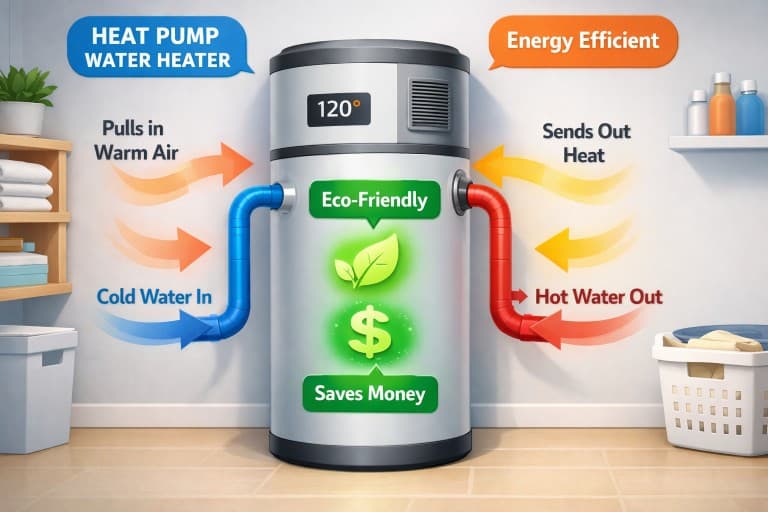
Heat pump water heaters operate on a principle similar to that of a refrigerator, but in reverse. Instead of producing heat directly, they extract heat from the surrounding air and transfer it to the water in the tank. This process is much more energy-efficient than heating water directly with electricity or gas. According to Consumer Reports, these water heaters consume as little as one-quarter the energy of standard models, making them an ideal choice for eco-conscious homeowners.
Installation of these units is becoming more popular due to their proven efficiency and the growing availability of qualified technicians. The upfront cost may be higher than that of a traditional tank or tankless water heater, but the long-term savings can quickly offset the initial investment. Alongside lower bills, households can enjoy more reliable hot water delivery, even during periods of high demand. For more technical details, you can review the Department of Energy’s decarbonization technology snapshot on heat pump water heaters.
Benefits of Upgrading to a Modern Water Heater
Switching to a modern water heater comes with several notable benefits:
- Lower Utility Bills: The energy-saving technology in these units means less energy is wasted heating water, which is reflected in your monthly energy statements.
- Environmental Benefits: By using less electricity or gas, you reduce your home’s greenhouse gas emissions and contribute to a cleaner, healthier environment.
- Improved Reliability and Performance: Modern water heaters are designed for efficiency, which ensures consistent hot water and faster recovery times.
Beyond saving money and the planet, installing a new water heater can also add value to your property. Potential buyers are increasingly interested in energy-efficient upgrades, viewing them as a sign of a well-maintained and forward-thinking home.
Installation Considerations for Optimal Efficiency
Getting the full benefit from a modern water heater begins with professional installation. The system’s efficiency can be affected by several factors, including:
- Placement: Positioning the water heater in an area with ample air circulation allows heat pumps to draw in air more effectively, increasing efficiency.
- Ducting: Proper ducting ensures the system operates at its peak.
It’s essential to hire qualified professionals for installation to guarantee safety, performance, and compliance with local codes. Utilizing rebates and incentives available in many areas can also help offset the cost of installation, making the upgrade more accessible to homeowners.
Maintenance Tips to Sustain Energy Savings
Maintaining your water heater is essential for ongoing savings and system longevity:
- Adjust Thermostat Settings: Lowering the water heater thermostat to 120°F can cut energy use by 4 to 22 percent, according to Energy.gov.
- Insulate Tanks and Pipes: Proper insulation prevents heat loss, making it easier and cheaper for your system to keep water warm.
- Perform Regular Inspections: Checking for leaks or sediment helps avoid efficiency losses or premature system failure.
Check your water heater at least once a year and follow the manufacturer’s maintenance guide to address minor issues before they become expensive problems.
Financial Incentives and Rebates
Government and utility companies often offer incentives to help with the upfront costs of new water heaters. Federal tax credits are available for homeowners who use qualified heat pump water heaters, and many utility providers offer rebate programs for high-efficiency appliances. Exploring these options can make the transition to a modern water heater even more affordable.

Conclusion
Modernizing your home’s water heater offers tangible benefits, including cost savings, increased property value, and improved comfort. By upgrading to an energy-efficient model, ensuring correct installation, and following routine maintenance, homeowners can see the impact of lower utility bills and a more sustainable household. Whether your priority is reducing monthly expenses or embracing an eco-friendly lifestyle, investing in advanced water heater technology is a smart move for long-term value.


