Technology is revolutionizing every corner of our lives, including how we approach something as traditional as roof replacement. Imagine a world where the hassle and uncertainty of replacing your roof are minimized through innovative solutions. From drones conducting aerial inspections to advanced materials offering greater durability, this exploration reveals seven groundbreaking ways advanced tech sets new standards in roof replacement, making your life easier and your home safer.
Drone Surveys
Drone surveys represent a significant technological leap in the roof replacement industry. Traditionally, roof inspections required manual labor, with individuals physically climbing up to assess the condition. This process was not only time-consuming but also posed safety risks.
Roofing installation becomes easier with machines that can swiftly perform aerial surveys, delivering precise and detailed assessments of your roof’s condition. Modern drones, outfitted with high-resolution cameras, fly over buildings to capture intricate images and videos of the roof’s state. This approach enables a faster, safer, and more thorough evaluation of roofing requirements.
By analyzing drone-captured data, roofers can precisely identify issues like cracks, leaks, or missing shingles without directly accessing the roof. Drone technology enables the assessment of hard-to-reach areas, offering a complete picture of the roof’s state. Consequently, homeowners benefit from accurate diagnoses and make informed decisions regarding roof replacements or repairs, significantly reducing the guesswork and risks associated with traditional methods.

Energy-efficient Solutions
Technological advancements have revolutionized roof replacement. They now focus on energy efficiency, which contributes to environmental sustainability and reduces household costs. Reputable roof installation experts utilize innovative roofing materials designed to reflect more sunlight and absorb less heat. This contributes to a cooler home environment during hot weather. As a result, air conditioning systems work less, leading to significant savings on energy bills.
Additionally, integrating solar panels into roofing materials has become more streamlined, allowing homeowners to generate their electricity. These solar-integrated roofs are aesthetically pleasing and highly functional, offering a dual benefit of energy generation and efficiency. With these technological solutions, roof replacements can significantly increase a home’s energy efficiency, reducing a home’s carbon footprint while providing economic benefits to the homeowner.
Advanced Materials
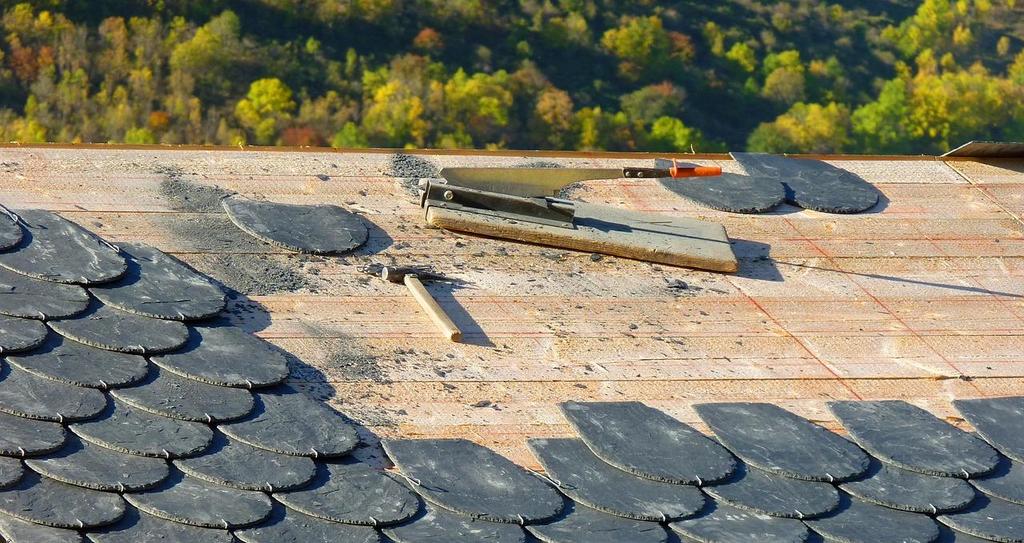
Various materials can be used for roof replacement, each with its pros and cons. However, with technological advancements, traditional roofing materials are now being replaced by more durable options. Here are some examples:
- Solar shingles
- Cool roof
- Metal roofing
- Synthetic roofing materials
- Green roofs
- Composite roofing materials
- Thermoplastic roofing membranes
- Natural slate and clay tiles
This is a testament to how technology enhances the durability and functionality of our homes. For instance, solar shingles embody the fusion of energy generation with traditional roofing, converting sunlight into electricity without compromising on aesthetic appeal. Cool roofs reflect more sunlight and absorb less heat, significantly reducing cooling costs.
Meanwhile, metal roofing, synthetic options, and thermoplastic membranes offer remarkable longevity and resistance to harsh weather. Green roofs and natural slate bring environmental benefits and natural beauty to roofing solutions. These technological advancements not only elevate the quality of roof replacements but also contribute to energy efficiency and sustainability.

3D Modeling and Visualization
3D modeling approaches are changing the way roof replacement is done, giving homeowners and contractors a powerful planning and design tool. This technology enables the creation of detailed three-dimensional models of a home’s roof, providing a virtual representation that can be carefully examined and adjusted. With 3D visualization, different materials and designs can be previewed on the model, allowing homeowners to see the final outcome before any physical work starts.
This not only facilitates better decision-making but also helps in identifying potential issues that may arise during the replacement process. 3D modeling also streamlines communication between homeowners and contractors, ensuring that both parties clearly understand the project scope, design preferences, and expected outcomes. Ultimately, this technology minimizes errors, saves time, and leads to more efficient and satisfactory roof replacement projects.
Smart Roofing Systems
Smart roofing systems stand at the forefront of technological innovation in roof replacement, integrating sensors and Internet of Things (IoT) technology to offer real-time monitoring of roof conditions. These systems can detect early signs of wear and tear, water leaks, and structural weaknesses, alerting homeowners to potential issues before they escalate into significant problems. Through continuous monitoring, smart roofing systems provide data that can predict the lifespan of the roof and suggest maintenance schedules, ensuring the roof’s longevity.
Moreover, they can improve energy efficiency by optimizing insulation based on weather conditions, thereby reducing heating and cooling costs. The connectivity of smart roofing systems enables remote access, allowing homeowners to monitor their roof’s condition from anywhere, offering peace of mind and transforming roof maintenance into a proactive rather than a reactive process.

Augmented Reality Assistance
With augmented reality (AR0, homeowners and contractors can project virtual models of roofing materials and designs directly onto the existing roof space through AR glasses or mobile devices. This immersive experience allows for a real-time comparison of options, facilitating better choices without the need for physical samples.
Augmented reality can overlay detailed instructions and measurements onto the work area. This guides contractors during the installation process, significantly reducing errors, streamlining the replacement process, and ensuring that the outcome aligns with the homeowner’s vision. This makes roof replacement far more efficient and satisfactory.
Digital Project Management Tools
Digital project management tools streamline communication and workflow between homeowners, contractors, and suppliers. These platforms offer a centralized hub for all project-related information, including timelines, budgets, material orders, and progress updates. By digitizing these aspects, everyone involved gains real-time access to the project’s status, enhancing transparency and accountability. Real-time visibility allows for quick adjustments to schedules or budgets, minimizing delays and cost overruns.
What’s more, these tools facilitate document sharing, such as contracts and plans, directly within the platform, ensuring that all parties have access to the latest information. Integration of digital project management tools in roof replacement projects not only simplifies coordination and execution of tasks but also significantly improves efficiency, saving time and resources while ensuring better project outcomes.

Smarter, Sustainable Roof Replacement
The future of roof replacement is here, and groundbreaking technological advancements power it. From the remarkable precision of drone surveys to the energy-saving capabilities of advanced materials and the predictive intelligence of smart roofing systems, technology is reshaping how we approach one of the most traditional aspects of homeownership—replacing the roof.
These innovations offer an exciting array of benefits, from increased safety and convenience to enhanced energy efficiency and proactive maintenance, all designed to provide you with greater control and insight into the condition of your home. Embracing these technological advancements means securing a sheltered home and a smartly protected one for years to come.