
As the world turns a keener eye towards renewable energy and sustainable living, homeowners are increasingly seeking ways to minimize both their utility bills and environmental footprint. In this vein, geothermal heat pumps have emerged as a powerhouse of efficiency and eco-friendliness, offering a reliable alternative to conventional heating and cooling systems. The year 2024 marks a pivotal moment, as substantial federal and state tax incentives become available under the Inflation Reduction Act of 2022 to support the adoption of this green technology. For the updated 2026 picture, including how federal credits have changed, see our 2026 geothermal vs. air source heat pump guide.
Uncovering the 2024 Geothermal Heat Pump Tax Incentives
In this comprehensive guide, we’ll delve into how these geothermal heat pump tax incentives not only make ecological sense but also financial sense for American homeowners. With the federal government providing a significant tax credit of 30% until 2032 and many states offering additional rebates and credits, the installation of a geothermal system has never been more attainable. This goldmine of opportunities doesn’t just lighten the load on the planet but also lifts the weight off your wallet.
A Roadmap to Sustainable and Financially Savvy Living
Whether you’re retrofitting an existing abode or contemplating the construction of a new one, these incitements aim to transform your household’s energy consumption patterns and slash your costs. The urgency is palpable; as the incentives are set to scale down after 2032, the time to act is now. We’ll navigate you through the intricate details of these incentives, demonstrating how to qualify for, claim, and maximize your financial returns, all while contributing to a cleaner, more sustainable world.
Stay tuned as we unravel the enigma of the 2024 geothermal heat pump tax incentives, providing you with a roadmap to claim your rightful benefits, empower your home’s energy independence, and carve your path towards a more sustainable and financially savvy lifestyle.

Harnessing Earth’s Energy in 2024: A Comprehensive Guide to Geothermal Heat Pump Federal Tax Incentives
As the green energy movement gains momentum in 2024, homeowners in the United States are positioned to capitalize on the earth’s natural resources for their home comfort needs. The Inflation Reduction Act of 2022 has locked in substantial federal tax incentives to make geothermal heat pump installations not just affordable but a financially intelligent move. Whether you’re retrofitting an existing structure or eyeing new construction, these incentives are designed to lighten both your financial load and your ecological footprint.
The Inflation Reduction Act: A Game-Changer for Renewable Energy
This pivotal piece of legislation introduces the Energy Efficient Home Improvement Credit and expands the Residential Clean Energy Credit, offering homeowners a tax credit that covers 30% of their geothermal system’s installation costs, valid through December 31, 2032. To qualify, the installed heat pump must meet the rigorous ENERGY STAR standards, confirming high efficiency and performance. With this credit, the government incentivizes homeowners to adopt renewable technologies that promise a sustainable future.
Maximizing Your Federal Benefits
The process for claiming your geothermal heat pump tax credit is straightforward and impactful. Homeowners are required to use Form 5695, the Residential Energy Credits form, which is your gateway to reducing your tax liability for the year the system is installed. Recordkeeping is essential, as meticulous documentation of all installation-related expenses will streamline your tax filings and assure you receive every dollar of your credit.
The Nonrefundability Aspect: Plan for the Future
It’s important to understand the nature of the Residential Clean Energy Credit’s nonrefundability—it can lower your tax bill to zero but will not provide a refund if the credit exceeds your tax liability. However, if you don’t use all your credit in one year, you’re allowed to carry it forward to subsequent tax years, ensuring you don’t lose out on this financial boon.
The Federal and State Incentive Melody
While the federal incentives mark a significant benefit on their own, many states provide additional tax credits, rebates, and subsidies that synergize with the federal program, potentially compounding your savings. These state-specific incentives harmonize with the federal offering, composing a symphony of savings that make the adoption of a geothermal system even more attractive.
Embracing Renewable Energy and Financial Wisdom in 2024
The commencement of 2024 signals a new era of energy use in America—an era where embracing renewable technologies like geothermal heat pumps is synonymous with making a wise financial investment. The federal tax incentives illustrate a strong governmental push towards a healthier environment and offer homeowners an opportunity to participate in this revolution at a reduced cost. With these benefits at your disposal, it’s the perfect time to make a change that will benefit both your home and the planet for years to come.

Navigating State-Specific Tax Incentives: Local Benefits for Geothermal Heat Pumps
While the federal government’s investment in renewable energy sets a strong foundation for sustainable living, it is the amalgamation of state-specific incentives that propels homeowners to achieve maximum savings with geothermal heat pump installations. As of 2024, several U.S. states have complemented federal initiatives with their own unique mix of rebates, tax credits, and subsidy programs, creating an even more robust financial motivator for residents to go green. Understanding and navigating these localized benefits can significantly reduce the upfront costs of installing a geothermal system.
A Patchwork of Opportunities
Not all states are created equal when it comes to renewable energy incentives, and the landscape of opportunities can be as diverse as the geography they cover. For instance, Iowa offers a Geothermal Heat Pump Tax Credit, which awards 20% of the federal credit for qualifying systems installed on residential properties. This additional state-level incentive significantly boosts the affordability of transitioning to geothermal energy.
Colorado Home Energy Rebate Programs
Colorado, on the other hand, is developing Home Energy Rebate programs with federal funding to assist income-qualified homeowners and renters in upgrading to energy-efficient appliances. Programs for home energy improvement rebates will be more accessible due to up-and-coming legislation.
New York Federal and State Tax Credits
New York residents can stack the benefits by combining a 30% federal tax credit with a 25% New York State income tax credit for ground-source heat pump installations. This layered savings plan magnifies the impact of each homeowner’s investment in a renewable, clean energy future.
Washington State Energy-Saving Retrofits
Washington State is preparing to receive federal funding that will supplement investments in high-efficiency electric appliances and energy-saving retrofits, heightening the allure of geothermal pumps as a key part of home energy strategies.
Iowa Geothermal Heat Pump Tax Credit Advantages
Iowa is extending a warm welcome to energy efficiency through its Geothermal Heat Pump Tax Credit. Homeowners in the Hawkeye State who installed geothermal heat systems in their residences between January 1, 2019, and December 31, 2023, are now eligible to apply for a substantial tax credit via the Department of Revenue. This program is invigorating the pursuit of renewable energy solutions by aligning with federal initiatives and amplifying the financial returns for residents taking a greener approach to heating and cooling their homes.
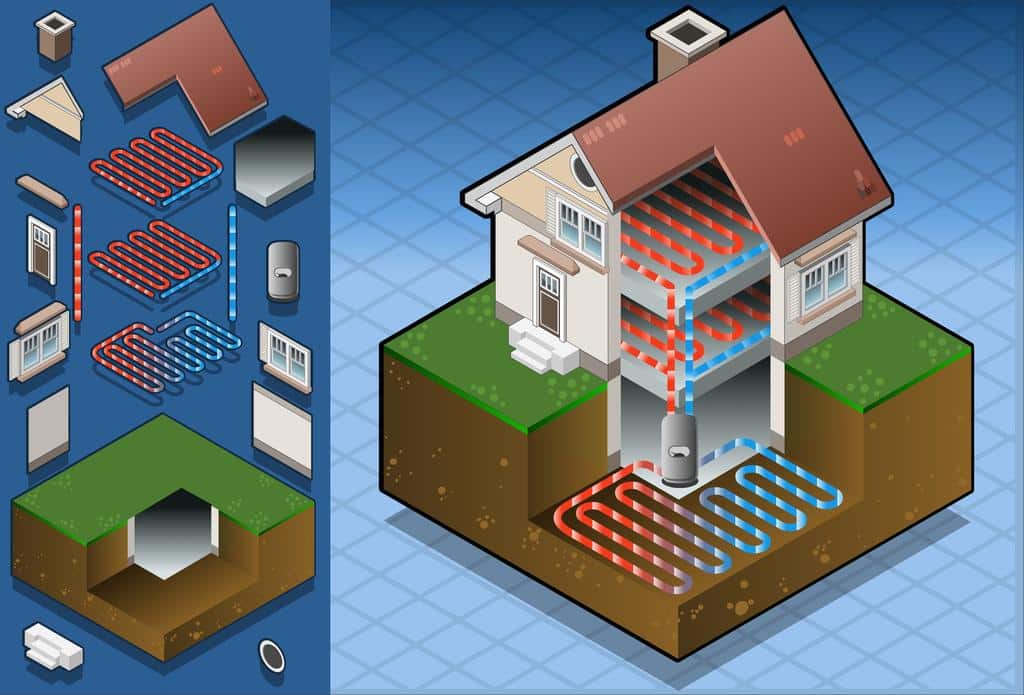
Uncovering Your Local Benefits
The key to unlocking these state incentives lies in staying informed and prepared. Homeowners are encouraged to visit resources like the Database of State Incentives for Renewables & Efficiency (DSIRE) and check for updates on state energy offices’ websites to explore the policies and incentives in their area.
Smart Planning for Sustainable Savings
Before taking the plunge, it is essential to ensure that all requirements and qualifications are reviewed thoroughly, to make an informed decision and investment. Each state has its own application process and deadlines; for example, Iowa specifies a May 1st submission deadline following the year of installation for their tax credit.
Combine and Conquer
As homeowners embark on the journey to sustainable living, combining federal incentives with state-specific benefits greatly bolsters the economic appeal of geothermal heat pumps. By harnessing both levels of support, you can significantly offset the installation costs while contributing to a cleaner, more sustainable planet. With state and federal governments united in accelerating the adoption of clean energy, now is a prime time to explore geothermal heat pump systems as a profound step towards achieving energy independence and financial savings.

How to Obtain the Tax Incentives: Your Step-by-Step Guide to Geothermal Heat Pump Savings
In 2024, navigating the path to securing tax incentives for your geothermal heat pump system may seem daunting, but with a strategic approach and a clear understanding of the process, homeowners can smoothly unlock these financial rewards. Whether you’re claiming federal tax credits or exploring state-specific opportunities, this step-by-step guide will walk you through the essential actions you need to take to ensure you capitalize on the available savings.
Step 1: Confirm System Eligibility
Before proceeding with installation, confirm that your geothermal heat pump system meets ENERGY STAR guidelines, which is a pre-requisite for both federal and many state incentives. This standard ensures top-tier energy efficiency and qualifies you for the maximum incentive. Verify eligibility through the ENERGY STAR website or consult with your installer.
Step 2: Document the Installation
Meticulous documentation is the cornerstone of successfully claiming your tax incentive. Keep detailed records of all expenses, including labor, equipment, and any associated services such as energy audits. These documents are crucial when filing for the credit, as they prove the actual completion and costs of the installation.
Step 3: Fill Out the Required Tax Forms
For federal tax credits, complete IRS Form 5695, Residential Energy Credits. This form will be included with your tax return and will calculate the credit based on your qualified expenditures. Make sure to have an updated version of the form for the year in which you are filing. If you’re uncertain about any details, consulting a tax professional is highly recommended to ensure accuracy.
Step 4: Apply for State Incentives
Many states require a separate application process for state-specific incentives. For example, residents in Iowa must submit an application through the state’s designated online portal by a certain deadline to qualify for the state’s additional geothermal incentive. Check with your state’s Department of Revenue or equivalent for specifics.
Step 5: Plan Your Installation Timing
The timing of your installation can be strategic. For federal incentives, the credit must be claimed in the same tax year that the system is installed. Ensure that your installation is completed by the end of the tax year to claim your credit without delay.
Step 6: Explore Rebate Programs
Some states and utilities offer rebate programs that provide upfront savings on geothermal heat pump installations. These may require separate applications and often operate on a first-come-first-served basis. Be timely in your applications to maximize your chances of receiving these benefits.
Step 7: Review and Submit
Double-check all your forms, applications, and documentation for completeness and accuracy. Submit everything according to the directions provided on the forms or state energy office guidelines. Good record-keeping combined with careful review helps prevent delays or denials of your incentive claims.
A Worthwhile Journey
While obtaining tax incentives for your geothermal heat pump involves an array of steps and meticulous preparation, the journey culminates in meaningful savings and a reduced carbon footprint. As 2024 unfolds, homeowners who invest the time to understand and navigate the incentive process will reap the rewards of a more sustainable and energy-efficient home.

Call to Action: Seize the Moment and Transform Your Home
The time to act is now! Don’t let the year pass without taking advantage of the financial and environmental opportunities that geothermal heat pump systems offer. As proactive homeowners, here are steps you can take to set the wheels in motion:
1. Consult Experts: Contact a certified geothermal installer to discuss your options and determine the best system for your home. Ensure that your chosen system qualifies for the federal and state incentives to maximize your potential savings.
2. Review Incentives: Visit the IRS website and your state’s energy office resources to stay updated on the latest tax credit information and application procedures. Knowledge is power, and the more you know, the better prepared you’ll be to claim your incentives.
3. Spread the Word: Share your journey in adopting geothermal technology with friends and family. Encourage others to explore how they, too, can benefit from these advancements in renewable energy and existing tax incentives.
4. Engage with the Community: Participate in local forums and environmental groups to raise awareness about the importance and benefits of sustainable energy practices. Community engagement plays a pivotal role in driving change and inspiring collective action.
5. Feedback Loop: We invite you to share your experiences, questions, or success stories regarding geothermal heat pumps. Your insights can help others in their transition to renewable energy and can also provide valuable feedback to policymakers and industry stakeholders.
Together, we have the power to make a lasting impact. By acting now and investing in geothermal heat pump technology, not only do we benefit individually, but we also contribute to a larger movement towards a cleaner and more sustainable world.
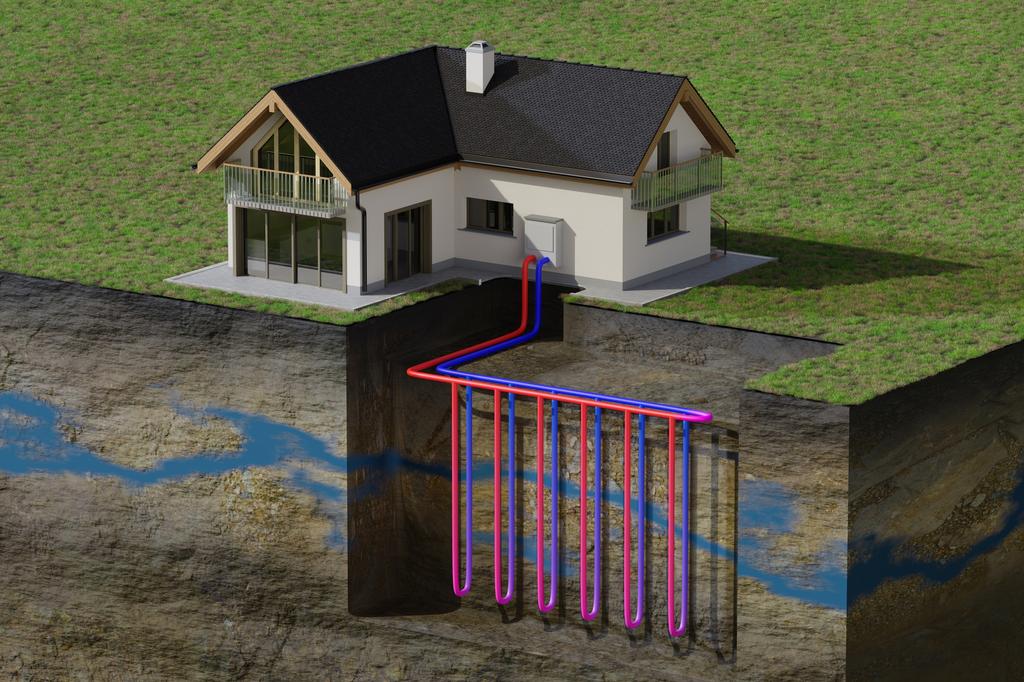
Financial and Environmental Benefits of Geothermal Heat Pumps
Financial Benefits:
1. Reduced Energy Bills: Geothermal heat pump systems operate more efficiently than traditional HVAC systems, which means substantial cost savings over time. As they use the stable temperature of the ground to heat and cool your home, homeowners typically notice a significant reduction in their energy bills.
2. Tax Credits and Rebates: As discussed earlier, homeowners can harness substantial federal tax credits that amount to 30% of the geothermal system installation costs. Some states offer additional incentives, further compounding the cost savings.
3. Increased Property Value: Homes equipped with geothermal heating and cooling systems can enjoy increased market value, as energy efficiency becomes an increasingly desirable trait in real estate.
4. Long-Term Savings: While the upfront cost might be higher, the lifespan and lower operational costs of geothermal systems provide long-term savings. Over time, these systems pay for themselves and continue to save money for homeowners on energy expenses.
Environmental Benefits:
1. Reduced Carbon Footprint: Geothermal systems use renewable energy from the ground, leading to significantly lower greenhouse gas emissions compared to fossil fuel-based heating and cooling systems.
2. Energy Conservation: They conserve energy by transferring heat rather than generating it through combustion, resulting in lower energy consumption.
3. Reduction of Fossil Fuel Dependence: By utilizing the stable thermal energy of the earth, geothermal systems minimize the reliance on fossil fuels for heating and cooling needs.
4. Sustainable Living: Investing in a geothermal heat pump is a step towards sustainable living, leveraging a consistent and renewable energy source.

Conclusion: Embracing Geothermal Energy for a Brighter Future
As we reflect on the information gathered about the 2024 tax incentives for geothermal heat pumps, it’s clear that this year presents a prime opportunity for homeowners to embrace renewable energy solutions that offer substantial benefits. The combination of federal and state tax incentives creates an optimal environment for investing in geothermal heat pump technology, which stands out as a financially wise and environmentally sustainable choice.
The journey towards a reduced carbon footprint and enhanced energy efficiency in homes across the country is now more accessible and affordable. By harnessing the earth’s consistent temperature, geothermal systems provide a reliable and eco-friendly way to heat and cool your home, leading to long-term cost savings and contributing to the global efforts to combat climate change.
With the guidance provided, homeowners are equipped to navigate the intricacies of tax credits and rebates, enabling a smooth transition to clean energy living. As we move forward in 2024, let us capitalize on the momentum of this green revolution, transforming our homes into models of efficiency and sustainability for generations to come.
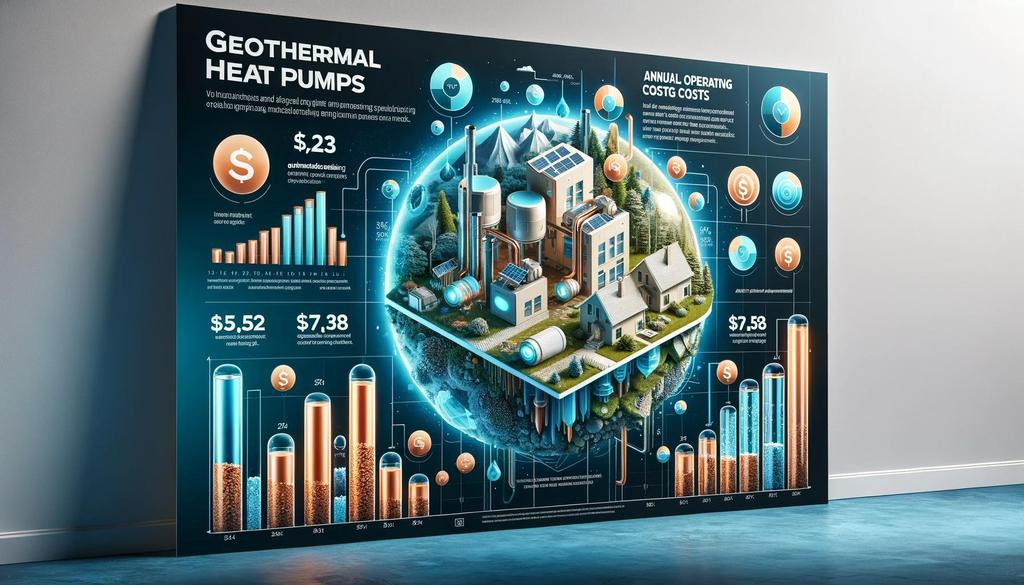
Frequently Asked Questions
Q: What makes a heat pump system eligible for federal tax credits?
A: To be eligible for the federal tax credits, the geothermal heat pump must meet or exceed ENERGY STAR program requirements at the time of installation.
Q: Can I claim the federal tax credit for a system installed in my second home?
A: Yes, the credit can be claimed for systems installed in a secondary home, but it must be a residential property and not a rental.
Q: Is the tax credit refundable?
A: No, the tax credit is non-refundable, which means it can reduce your tax liability to zero, but you won’t get a refund if the credit is more than what you owe. However, excess credit can be carried forward to future tax years.
Q: Are there any state-specific incentives I can combine with federal tax credits?
A: Many states offer additional incentives for geothermal heat pump installations. It is recommended to check resources like the DSIRE database or your state’s energy website for the most current information.
Q: How do I apply for state tax incentives?
A: Application processes vary by state. You may need to apply through an online portal or fill out specific forms. Consult your state’s Department of Revenue or equivalent for application procedures.
Q: Do geothermal systems also provide cooling for my home?
A: Yes, geothermal heat pumps provide both heating and cooling solutions for your home by using the stable underground temperature.
Q: How long do geothermal systems typically last?
A: Geothermal systems have a longer lifespan compared to conventional HVAC systems, usually lasting around 25 years for the indoor components and 50+ years for the ground loop.


