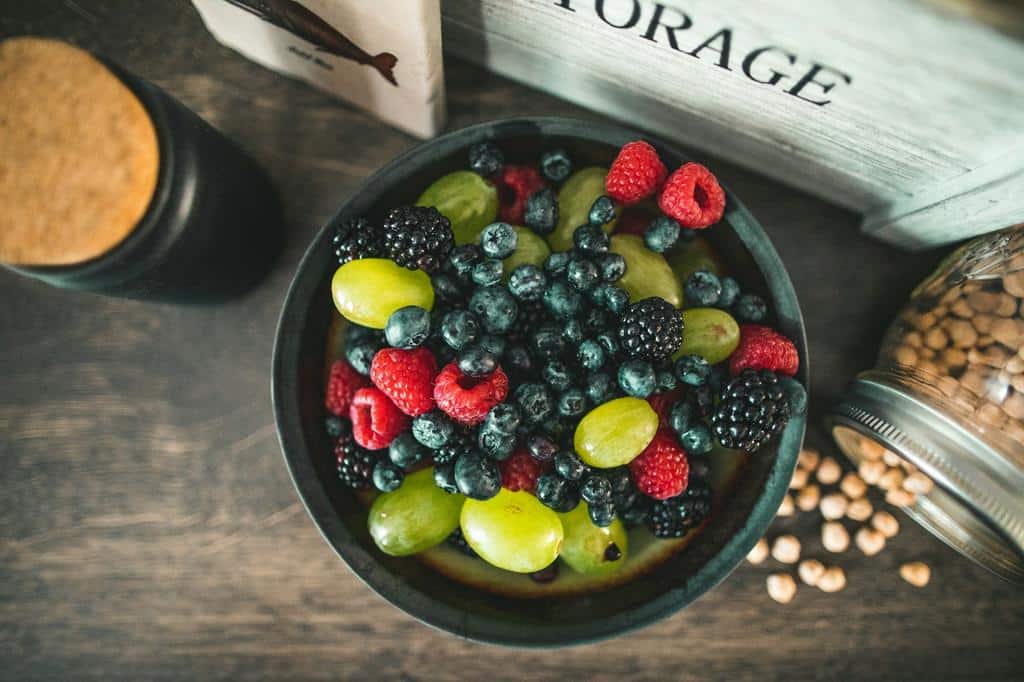
As we age, our bodies go through natural changes. But small tweaks to your lifestyle, like eating more antioxidant-rich foods, can help you stay vibrant and healthy as the years go by. Science shows that blueberries and grapes have special compounds that combat aging on the cellular level.
Adding more of these tasty fruits to your diet just might be the delicious secret to staying sharp and energetic long into your later years. Alternatively, you can use this high-quality pterostilbene supplement that contains a mix of both and is easier to absorb. That aside, if you want to learn how blueberries and grapes can help turn back the clock, then keep reading.
Why Do Our Bodies Age?
Before diving into the anti-aging benefits of specific foods, it helps to understand the underlying causes of aging in the first place. Aging is complex and driven by a combination of genetic, environmental, and lifestyle factors. One major contributor is oxidative stress caused by free radicals.
Free radicals are unstable molecules produced naturally in the body that can damage cells, proteins, and DNA over time through oxidation. This oxidative damage accumulates and is thought to play a significant role in aging and age-related diseases.
Inflammation is another factor. While temporary inflammation helps your body heal from injury or infection, chronic low-grade inflammation accelerates aging. Things like stress, lack of sleep, and poor diet can all trigger excessive inflammation.
Declining hormone levels, shorter telomeres, and decreased stem cell activity also impact the aging process. Overall, aging stems from cumulative damage to your cells and DNA that outstrips your body’s repair mechanisms.
How Diet Helps Slow Aging
Your diet and nutrition influence many aspects of health as you get older. Eating well can help you maintain energy, mobility, mental sharpness, vision, immune function, and more in your later decades.
More and more, research confirms that dietary choices play a major role in aging. Filling your diet with antioxidant and anti-inflammatory foods seems to be especially beneficial for slowing aging.
For starters, antioxidants help counteract oxidative stress by neutralizing free radicals before they can damage cells. They support your body’s natural antioxidant defense system.
Meanwhile, anti-inflammatory compounds reduce harmful chronic inflammation. This protects your body from excessive wear and tear linked to faster aging.
Below, we’ll explore the anti-aging advantages of loading up on antioxidant and anti-inflammatory foods like juicy blueberries and grapes.

Blueberries for Anti-Aging: The Nutrition Profile
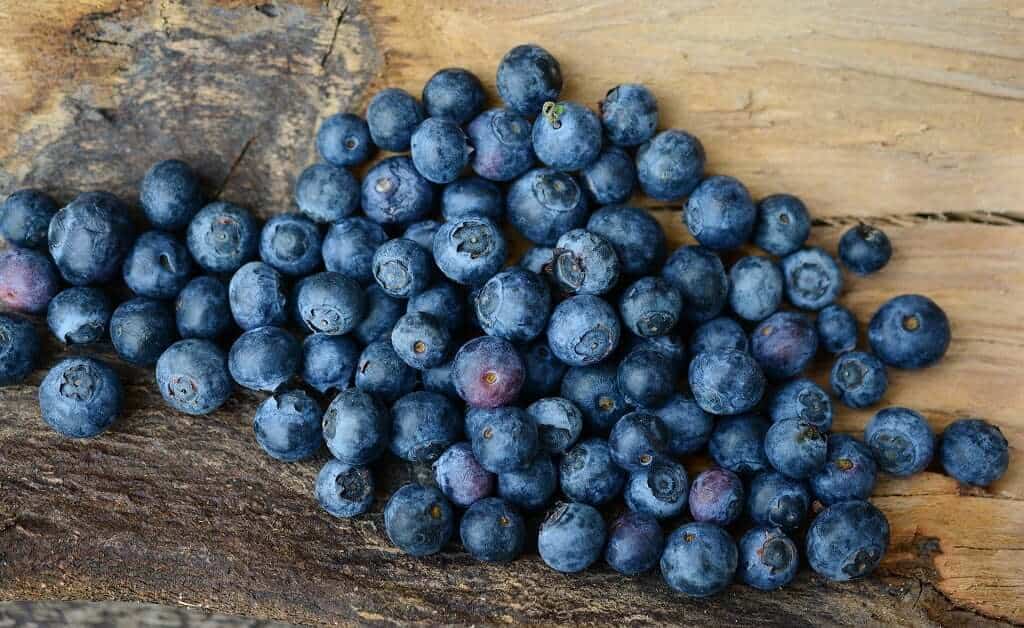
Blueberries check all the boxes when it comes to age-defying nutrition. Often dubbed a superfood, they are low in calories and packed with vitamin C, manganese, fiber, and more.
But their most impressive benefits come from unique antioxidants called anthocyanins that give blueberries their rich blue-purple pigment. Here’s a closer look at the anti-aging compounds in blueberries:
Anthocyanins
These antioxidants are especially abundant in blueberries. Studies link higher anthocyanin intake to slower rates of cognitive decline. These blueberry antioxidants may also support eye health and reduce inflammation.
Pterostilbene
This potent antioxidant is chemically related to resveratrol found in grapes. It shows anti-aging benefits, including fighting cognitive decline, obesity, and heart disease risk, according to rodent studies.
Proanthocyanidins
Based on clinical trials, these antioxidants may help reduce oxidative stress leading to vascular aging. Proanthocyanidins keep blood vessels flexible and healthy.
In addition, blueberries contain vitamin K, zinc, vitamin E, vitamin A, and selenium. This broad spectrum of antioxidants and nutrients provides multi-faceted anti-aging protection.

Anti-Aging Benefits of Blueberries
Here’s a closer look at some of the top ways blueberries may help turn back the clock:
Protect brain health
Your brain stays sharp into old age with the help of anthocyanins and other antioxidants in blueberries that fight neuroinflammation and oxidative stress.
Population studies link higher intakes of berries and flavonoids to delayed cognitive aging and reduced Alzheimer’s and Parkinson’s risk. In clinical trials, daily blueberry juice improved memory and mood in older adults with mild cognitive decline.
Blueberry flavanols’ boost in blood flow to the brain might also account for these brain benefits.
Support heart health
The anthocyanins, proanthocyanidins, and fiber in blueberries promote heart health in several ways. Their antioxidants relax blood vessels, lower blood pressure, and make platelets less sticky. This adds up to a reduced risk of heart disease.
Manage blood sugar
Despite their sweet taste, blueberries have a low glycemic index. Multiple human trials found blueberries help increase insulin sensitivity and lower blood sugar levels after carb-heavy meals. Keeping blood sugar steady can, in turn, help prevent age-related conditions like diabetes, obesity, and heart disease.
Promote skin health
Collagen breakdown contributes to skin aging. The vitamin C in blueberries helps stimulate collagen production to keep your skin firm and smooth, while antioxidants counteract skin damage from UV exposure and pollution.
Studies in women link higher intake of blueberries and strawberries to less wrinkling. The anthocyanins in berries protect against premature skin aging.

The Unique Anti-Aging Benefits of Red Grapes
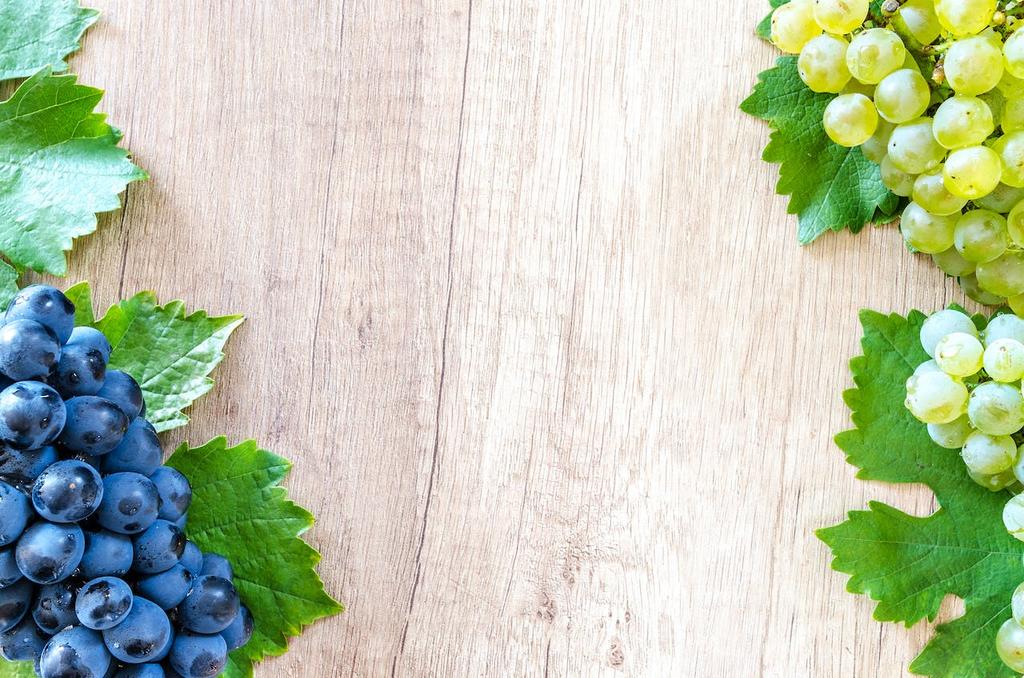
Like blueberries, grapes also supply age-defying nutrition. Both red and purple grapes contain healthy antioxidants, vitamins, and minerals. But red grapes have their own set of special compounds that science suggests have anti-aging properties.
Here are the key anti-aging nutrients found in fresh red grapes:
Resveratrol
This polyphenol antioxidant is famous for its anti-aging potential. It activates sirtuins, proteins involved in longevity.
Anthocyanins
Red grapes get their color from anthocyanins. These antioxidants fight inflammation, leading to aging.
Catechins
Grape catechins also have anti-inflammatory and cardioprotective effects, according to research.
Vitamin C
Red grapes are packed with immune-supporting vitamin C. Just one cup provides 27% of your daily needs.
Vitamin K
This vitamin is crucial for blood clotting and bone health as you age. One serving of red grapes contains around 28% of the RDI for vitamin K.

Anti-Aging Benefits of Red Grapes
Extend lifespan
Animal studies show resveratrol activates genes linked to longer lifespans, including SIRT1. By mimicking calorie restriction, resveratrol seems to trick the body into anti-aging mode.
In studies of obese mice, those fed a high-fat diet with resveratrol lived longer compared to obese mice not given resveratrol. More research is underway to confirm the effects on humans.
Protect the brain
Oxidative damage to the brain is implicated in cognitive decline, dementia and neurodegenerative disease. Resveratrol’s antioxidant effects help prevent this oxidative stress.
Support heart health
As a potent anti-inflammatory, resveratrol helps prevent atherosclerosis, which leads to heart attacks and stroke. It also keeps platelets from sticking together.
Fight obesity
Obesity accelerates aging and shortens lifespan. Luckily, resveratrol shows promise for preventing obesity as well.
Leverage the Anti-Aging Power of Blueberries and Grapes
When looking to slow down the aging process through diet, focusing on antioxidant and anti-inflammatory foods is a smart strategy. The scientific evidence continues to demonstrate that loading up on produce like blueberries and grapes may help counteract processes of aging on multiple fronts.
Blueberries douse the body with diverse antioxidants, including anthocyanins, that combat oxidative stress leading to aging. Their ability to protect the brain, heart, skin, eyes, and more can promote longevity.
Meanwhile, red grapes deliver unique anti-aging molecules like resveratrol. Resveratrol, in particular, shows promise for extending lifespan by mimicking calorie restriction. It also protects against neurodegeneration, heart disease, obesity, and diabetes risk – all factors influencing aging.
To maximize anti-aging benefits, enjoy both blueberries and red grapes regularly as part of an overall balanced, whole-foods diet. Aim for 1⁄2 cup a day of each. Both are versatile fruits you can enjoy on their own as a snack or mixed into smoothies, salads, oatmeal, and yogurt.
While more clinical trials in humans are still needed, the research to date supports incorporating more antioxidant-rich blueberries and grapes as a delicious way to eat for longevity and healthy aging.