
Nutrition is essential for good health. A bad diet can mess with your metabolism, make you gain weight, and even harm your organs like your liver and heart. However, what you eat impacts another organ: your skin. As scientists learn more about diet and the human body, it’s becoming evident that what you eat dramatically affects your skin’s health and the appearance of wrinkles. Fortunately, with some preventive care, we can consume the right foods for keeping our skin beautiful while staving off skin conditions.
How Can Food Keep Our Skin Beautiful?
Antioxidants: Destroying Free Radicals
One of the best ways to eat for beautiful skin is to load up on powerful antioxidants. Antioxidants are natural substances found in certain fruits and vegetables that may help protect your skin from damage. Free radicals from exposure to UV light, smoke, and pollution can cause premature aging. The good news is that antioxidants can help neutralize these free radicals so they don’t damage your skin’s collagen and elastin fibers. Some great sources of antioxidants include blueberries, strawberries, raspberries, blackberries, spinach, kale, and walnuts. Mushroom Revival explains how Reishi mushrooms have antioxidant properties and how they can be beneficial for skin care.
Vitamins: Providing Proper Nutrition
Vitamins are also essential for healthy skin. Vitamin E helps protect the body against free radical damage, while vitamin C is needed for collagen production and improves skin elasticity. Both of these vitamins can be found in various fruits and vegetables, including oranges, papayas, broccoli, cauliflower, Brussels sprouts, and kiwi.
Fats: Moisturizing and Anti-inflammatory
Healthy fats are also crucial for maintaining healthy skin. Omega-3 fatty acids, like those found in salmon, tuna, and other fish, help keep the skin moisturized from the inside out. They also contain anti-inflammatory properties, which can help reduce inflammation and redness. Other sources of healthy fats include avocados, olives, and nuts.
Amino Acids: The Building Blocks of Healthy Skin
Our skin is made up of proteins, which are composed of amino acids. Amino acids play a crucial role in collagen synthesis, the process that helps keep our skin looking young and healthy. Collagen helps skin cells regenerate and repair damage from environmental factors like sun exposure. Foods with high concentrations of amino acids include lean meats, fish, eggs, quinoa, legumes, and soy products.
Water: Your Entire Body is Holding It
Water is also essential for maintaining healthy skin hydration levels. Drinking enough water can help flush out toxins from your body that can cause acne breakouts or dryness. Try to drink eight glasses of water a day for optimal hydration and better overall health. Water also helps keep skin hydrated, which prevents wrinkles and promotes a smoother complexion.
A good diet is vital to healthy skin, and several foods should be added to your daily meal plan. Here are 12 of the most nutritious foods for beautiful, glowing skin.
1. Fatty Fish

Fatty fish, like mackerel, herring, and salmon, are great for your skin. This is because they are high in omega-3 fatty acids, essential for keeping skin healthy. Skin needs omega-3 fatty acids to stay thick, supple, and hydrated. Conversely, a lack of omega-3 fatty acids can lead to dry skin.
The omega-3 fats in fish minimize inflammation, leading to acne and redness. They may also make your skin more resistant to the sun’s harmful UV rays. In addition, certain studies have shown fish oil supplements to help with autoimmune and inflammatory skin disorders like lupus and psoriasis.
In addition to incorporating nutrients like omega-3 fatty acids and antioxidants from sources such as fatty fish or avocados, citizens might consider exploring options for buying organic whole foods to enhance their intake of healthy skin-promoting foods. Websites like Whole Food Earth offer a variety of organic ingredients that can contribute to maintaining glowing skin and overall health.
Fatty, oily fish is an excellent source of vitamin E, one of the most vital antioxidants for your skin. Vitamin E is necessary for protecting your skin from inflammation and free radical damage.
Fatty seafood also provides high-quality protein essential for skin strength and integrity. Finally, fish contains zinc, which is necessary for the regulation of the following:
- The formation of new skin cells
- Inflammation
- Zinc deficiency can cause lesions, skin irritation, and slow wound healing.
- Overall skin health
2. Avocados

Avocados provide a lot of good fats. Many functions in your body benefit from these fats, including skin health. Consuming enough healthy fats is critical to maintaining skin flexibility and skin hydration.
A large study involving over 700 women revealed that a high total fat consumption — precisely the types of good fats found in avocados — was linked to supple, bouncy skin. In addition, according to preliminary studies, avocados also contain compounds that could help protect your skin from sun damage. Wrinkles and other indications of aging can be caused by UV damage to your skin.
Avocados are also high in vitamin E, containing antioxidant properties that protect your skin from oxidative stress. Unfortunately, the majority of Americans are deficient in vitamin E. It’s worth noting that vitamin E appears to be more effective when coupled with other vitamins.
A 100-gram portion of avocado contains 11% of the Daily Value (DV) for vitamin C and 14 % of vitamin E. Vitamin C is necessary for good skin. Your skin needs to produce collagen, the essential structural protein that keeps it firm and healthy. Vitamin C deficiency is uncommon these days, but it can cause rough, dry, and scaly skin that bruises readily. In addition, vitamin C is an antioxidant that protects your skin from oxidative damage caused by the environment and sun, which can induce aging.
3. Walnuts

Walnuts contain several properties that make them an ideal food for maintaining skin health. First, they are high in vital fatty acids, which your body can’t produce independently. They contain more omega-3 and omega-6 fatty acids than most other nuts.
A diet heavy in omega-6 fats can cause inflammation, leading to skin diseases like psoriasis. In contrast, omega-3 fats lower inflammation throughout the body, including the skin. Omega-6 fatty acids are abundant in the Western diet, whereas omega-3 fatty acid sources are few. Walnuts may help combat the inflammatory response to excessive omega-6 because they have a good ratio of these fatty acids.
Walnuts also contain essential nutrients that your skin requires for optimum function and wellness. For example, walnuts contain 8% of the daily value of zinc in one ounce (28 grams). Zinc is required for your skin’s barrier function to work correctly. It is also necessary for wound healing and the fight against germs and inflammation. In addition to 4–5 grams of protein per ounce, walnuts contain minor levels of the antioxidants vitamin E and selenium.
4. Sunflower Seeds
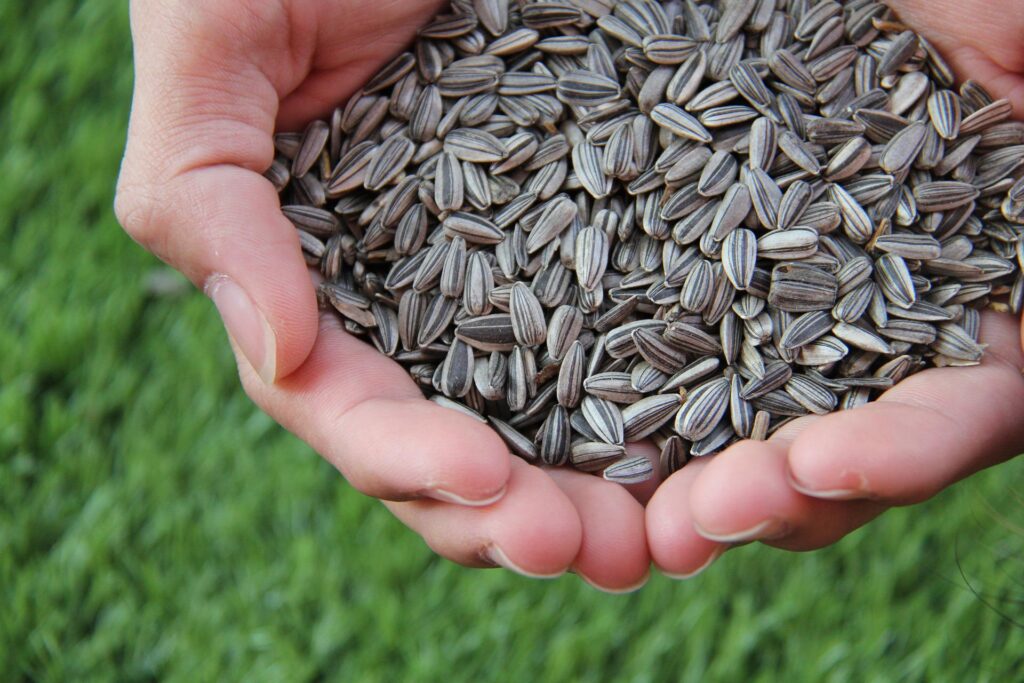
Nuts and seeds, in general, are high in skin-beneficial nutrients. Sunflower seeds are a great example of this. One ounce (28 grams) of sunflower seeds contains 14% of the daily value of zinc, 41% of the daily value of selenium, 49% of the daily value of vitamin E, and 5.5 grams of protein.
5. Sweet Potatoes
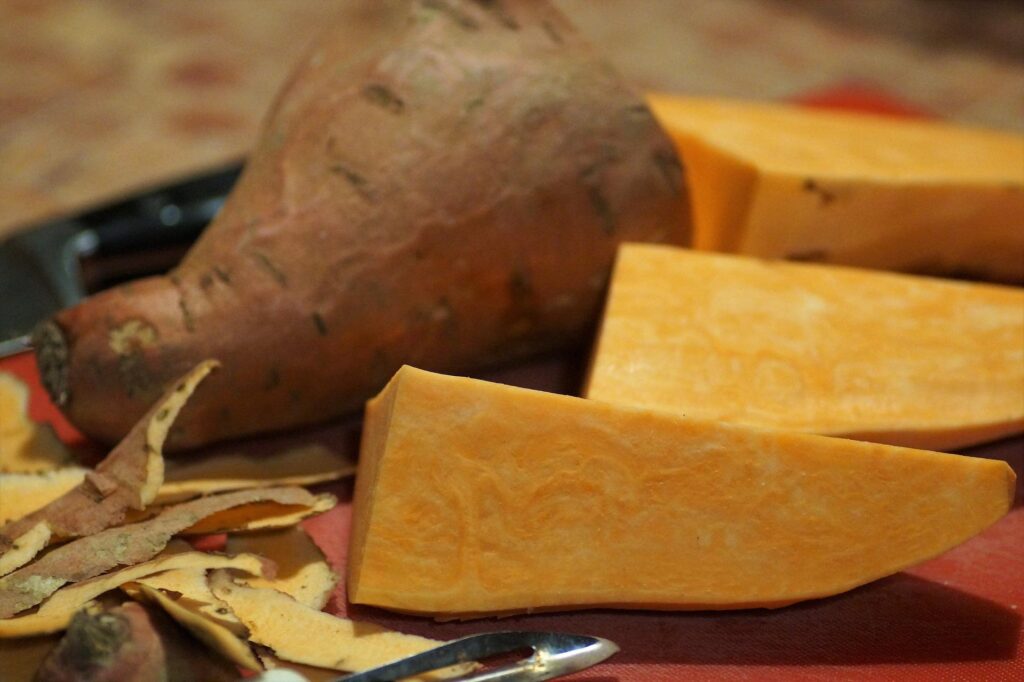
Beta carotene is a nutrient in plants that functions as provitamin A, which means your body converts it into vitamin A. Oranges and vegetables, including spinach, carrots, and sweet potatoes, contain beta carotene. Sweet potatoes are a great source of beta carotene, with one 1/2 cup (100-gram) portion providing more than six times the DV of vitamin A.
Beta carotene and other carotenoids work as a natural sunblock, which helps to keep your skin healthy. When this antioxidant is consumed, it is absorbed into your skin and can protect your skin cells from the sun. This may aid in preventing sunburn, cell death, and wrinkled, dry skin. Intriguingly, high levels of beta-carotene can give your skin a warm, orange hue, leading to a more youthful appearance.
6. Yellow or Red Bell Peppers
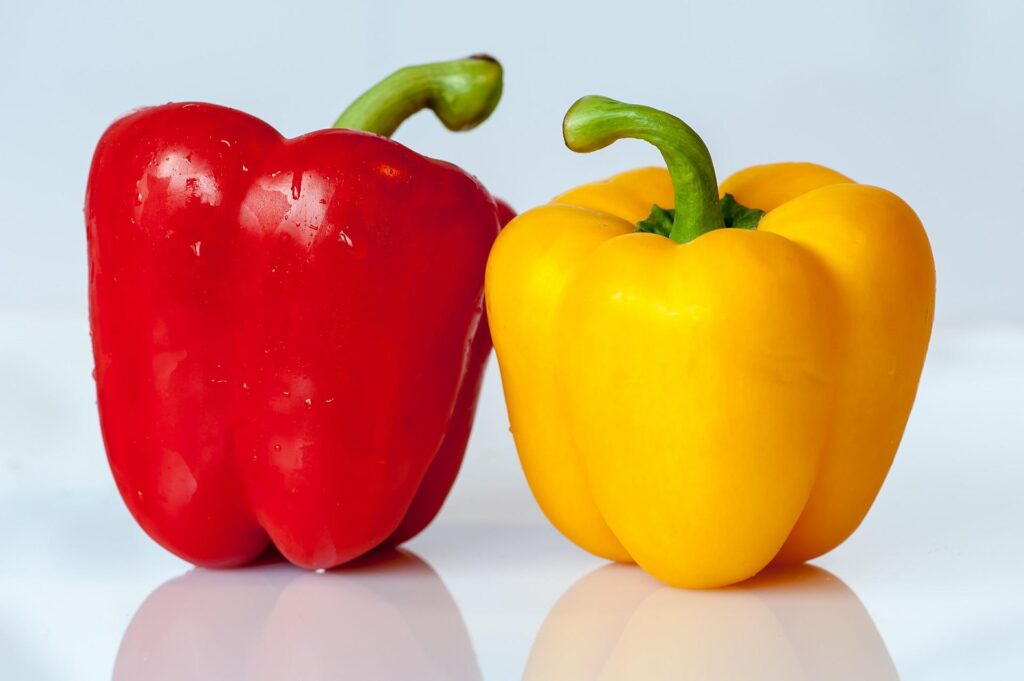
Bell peppers, like sweet potatoes, are high in beta-carotene, which your body converts to vitamin A. One cup (149 grams) of sliced red bell pepper offers 156% of the daily value for vitamin A.
They’re also a good source of vitamin C. For example, a single cup of bell pepper (149 grams) contains 211% of the daily value of vitamin C. In addition, a major observational study of women found that eating a lot of vitamin C decreased the risk of wrinkled and dry skin as they aged.
7. Broccoli

Broccoli has various vitamins and minerals that are beneficial to skin health, such as zinc, vitamin C, and vitamin A. It also contains lutein, a carotenoid that functions similarly to beta-carotene. Lutein protects your skin from oxidative damage, which can cause it to wrinkle and dry. On the other hand, broccoli florets contain a unique component called sulforaphane, which has a long list of possible health benefits. It may even have anti-cancer properties, which could help with skin cancer.
Sulforaphane is also a potent antioxidant that protects against solar damage. It works in two ways: neutralizes dangerous free radicals and activates your body’s other protective systems. For example, Sulforaphane reduced the percentage of skin cells destroyed by UV light by up to 29% in laboratory experiments, with protection lasting 48 hours. According to research, sulforaphane may also help preserve collagen levels in your skin.
8. Tomatoes

Tomatoes are high in vitamin C and contain all essential carotenoids, such as lycopene. The antioxidants lutein, lycopene, and beta-carotene have been demonstrated to protect skin against UV damage. They may also aid in the prevention of wrinkles.
Tomatoes are a fantastic food for keeping healthy skin since they are high in carotenoids. Consider combining carotenoid-rich meals like tomatoes with a fat source like olive oil or cheese. Carotenoids are better absorbed when you eat fat.
9. Soy

Isoflavones are a group of plant compounds found in soy that can imitate or prevent estrogen in the body. As a result, isoflavones may help your skin and other body parts. In a tiny trial, ingesting soy isoflavones every day for 8–12 weeks decreased fine wrinkles and increased skin suppleness in middle-aged women.
Soy may also help postmenopausal women maintain their skin’s smoothness and strength by reducing skin dryness and increasing collagen levels. These isoflavones protect your body’s cells from damage and your skin from UV radiation, potentially lowering your chance of skin cancer.
10. Dark Chocolate

Here’s yet another excuse to indulge in chocolate: The effects of cocoa on the skin are incredible. Participants in one study reported fuller, more moisturized skin after 6–12 weeks of daily consumption of an antioxidant-rich cocoa powder. Their skin was also less rough and scaly, less sunburn-prone, and had better blood flow, which means more nutrients were delivered to their skin.
According to another study, consuming 20 grams of high-antioxidant dark chocolate daily could help your skin withstand more than double the amount of UV radiation before burning versus eating low-antioxidant chocolate. In addition, several other studies have found comparable outcomes, including a reduced wrinkle appearance. Keep in mind, however, that at least one study found no meaningful impacts.
To optimize the benefits, keep added sugar to a minimum and choose dark chocolate with at least 70% cocoa.
11. Green Tea

Green tea may aid in the prevention of skin damage and aging. Catechins, the potent compounds in green tea, improve your skin’s health in various ways. For example, green tea, like several other antioxidant-rich foods, can help protect your skin from sun damage.
A 12-week study involving 60 women revealed that drinking green tea regularly could minimize sun-induced redness by up to 25%. Green tea also enhances the skin’s moisture, thickness, roughness, and elasticity. Green tea is a terrific choice for healthy skin, but you should avoid drinking it with milk because milk has been shown to diminish the antioxidant benefit of green tea.
12. Red Grapes
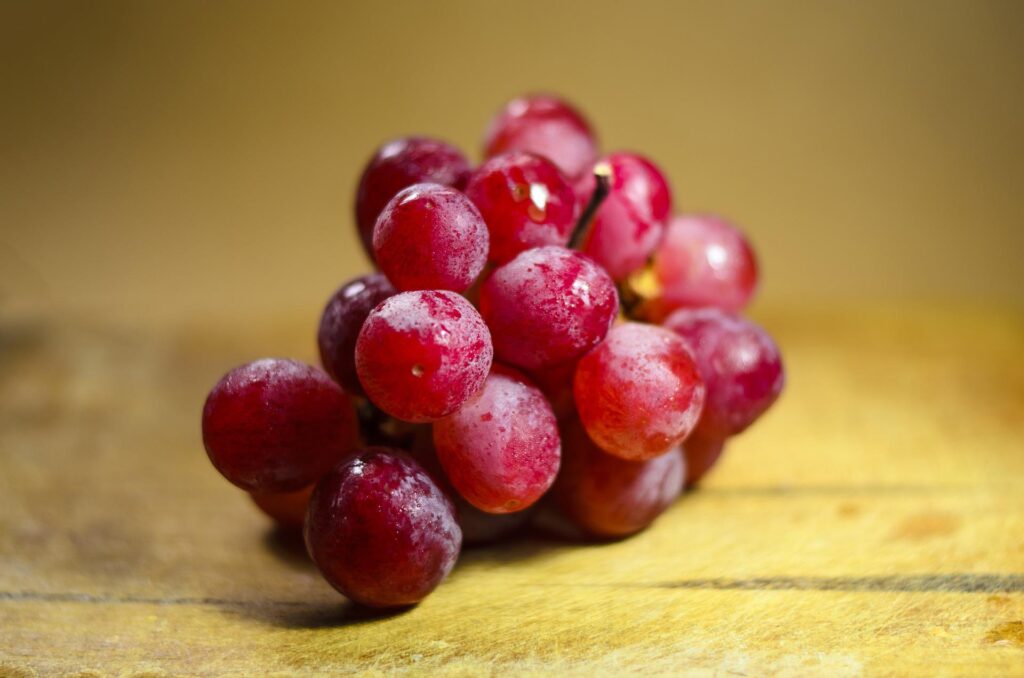
Red grapes are well-known for possessing resveratrol, a substance found in the skin of red grapes. Resveratrol has a long list of health benefits, including decreasing the signs of aging. According to test-tube research, It may also help slow the development of damaging free radicals, which destroy skin cells and cause aging.
Red wine also contains this beneficial ingredient. But unfortunately, there isn’t much proof that the amount of resveratrol in a glass of red wine is sufficient to affect your skin. And, because red wine is an alcoholic beverage, excessive consumption might have severe consequences.
It is not advisable to consume red wine solely for its potential health benefits. Berries and red grapes, on the other hand, should be consumed in more significant quantities.
Skin Care Habits
In addition to eating the right foods for beautiful skin, it’s essential to practice good skincare habits. This includes avoiding smoking and excessive sun exposure, as both of these can dry out the skin and speed up the aging process. Exfoliating regularly can also help remove dead skin cells, revealing a glowing complexion beneath. Finally, using sunscreen with an SPF of 30 or higher is essential for protecting your skin from harmful UV rays.
To sum up, nutrition is an essential aspect of our overall health, and it can have a significant impact on our skin’s health and appearance. Consuming a diet rich in antioxidants, vitamins, healthy fats, amino acids, and water can help prevent skin damage, reduce inflammation, promote skin regeneration, and keep skin hydrated. Incorporating foods like fatty fish, avocados, and walnuts into our daily diet can be beneficial for skin health. By adopting a healthy diet and following good skincare practices, we can maintain healthy, glowing skin that will make us look and feel our best. So, it’s time to eat our way to healthier, more radiant skin!


