
The Peas Please initiative has released its latest Veg Facts 2021 Report, in which it claims a lack of fruit and vegetables could be causing thousands of premature deaths each year.
The project partners involved in this ground-breaking initiative include The Food Foundation, Belfast Food Network, Food Sense Wales, Food NI, and Nourish Scotland. The project is committed to improving the availability, acceptability, convenience, affordability, and quality of the vegetable offerings in schools, restaurants, shops, and beyond, increasing vegetable consumption among the UK population, particularly children and low-income households.
Since the project launched in 2017, it has delivered 162 million additional portions of veggies into our food system, working across all four nations.
Lack of Fruit And Veggies
The report claims that children, teenagers, and adults are not consuming enough vegetables to meet the Government’s Eatwell Guide recommendations. This is likely to have a long-term impact on our health, with the report claiming diets low in vegetables and legumes are linked with just under 18,000 premature deaths per year in the UK. According to WHO (the World Health Organization), undernutrition is associated with 45% of child deaths.
The report highlights:
- Almost a third (29%) of 5- to 10-year-olds are eating less than a portion of veggies per day.
- Only 6% of 11- to 16-year-olds are eating the recommended vegetable intake.
- More than a fifth of children’s and teenagers’ vegetable intake comes from Ultra Processed foods high in salt, sugar, and fat.
- Pizza and Baked beans together contribute 16% of children’s vegetable intake.
- 77% of adults are eating less than the number of veggies recommended in the Eatwell Guide.
Peas Please warn that children are at risk of micronutrients (vitamin and mineral deficiencies). Deficiencies in iron, vitamin A and iodine are the most common worldwide, particularly in children, pregnant women, and low-income households. The initiative claims 21% of children aged 11-16 have intakes of vitamin A below the recommended amount, and 38% have magnesium intakes below the lowest recommended amount.
According to McKenzie Pediatrics, as many as 1 in 5 children don’t get enough Vitamin C. And, NHS estimated that 16% of children in the UK would be deficient in vitamin D, leading to numerous symptoms.
Affordability Issues
The report points out that the affordability of vegetables is a significant factor in low consumption rates. Unfortunately, healthier foods are three times more expensive than foods high in fat or sugar (HFSS), and the price difference is only growing.
For example, quick-service restaurant meals which are less healthy are on average £10 cheaper than meals in taverns, restaurants, and hotels. The most inexpensive foods are usually HFSS and are low in fiber, and often highly processed. In contrast, fresh fruit and vegetables are pretty expensive. Meat is affordable to typical households but carries a massive environmental footprint.
According to the report, 42% of all vegetables consumed in the UK are grown outside of the country, except for potatoes. Meanwhile, UK vegetable production is gradually declining.
The latest estimates value the UK vegetable production at £1.48 billion. Peas Please claims that if the population began consuming the recommended five portions of greens daily, it would increase the value of UK fruit and veg production by £261 million. Shockingly, upping consumption to only seven portions a day would add another £1 billion to the UK economy.

Fruit And Veg Health Benefits
Diets high in veggies and fruit are associated with several health benefits. For example, a 2019 systematic review of meta-analyses found that increasing vegetable intake could significantly decrease the risk of developing various common diseases.
Higher vegetable consumption, when compared to lower, were linked with:
- A 12% reduction in strokes
- A 14% decrease in coronary heart disease
- An 11% reduction in the metabolic syndrome
- A 13% decrease in all-cause mortality
Vitamin A Deficiency
Insufficient amounts of Vitamin A increase the risk of death from severe illnesses such as diarrhoeal disease and measles. In addition, it’s the leading cause of preventable childhood blindness in kids.
In 2013, WHO classified vitamin A deficiency as a public health concern affecting roughly one-third of children aged six to 59 months, with the highest numbers in sub-Saharan Africa (48%) and South Asia (44%).
Vitamin A Health Benefits
Vitamin A maintains your immune system strong and working correctly. In addition, it aids good vision and eye health and healthy skin and mucous membranes, the lining of some body parts that lead to the outside, such as the nose.
Foods High In Vitamin A
- Cheese
- Eggs
- Oily fish
- Fortified low-fat spreads
- Milk and yogurt
- Liver and liver products like liver pâté
It’s important to note that liver is a particularly rich source of vitamin A; therefore, you should only have it once a week. If you consume more than that, you may be at risk of having too much vitamin A. In addition, pregnant women should avoid eating liver or liver products.
Interestingly, you can also get vitamin A by including beta-carotene in your diet. This is because beta-carotene turns into vitamin A (retinol) in the body; thus, it can perform the same jobs as vitamin A.
Foods High In Beta-Carotene
- Yellow, green (leafy), and red vegetables – including lettuce, spinach, broccoli, peas, carrots, sweet potatoes, butternut squash, and red bell peppers.
- Yellow fruit – such as mango, cantaloupe, papaya, and apricots
- The more intense the color of the fruit or vegetable, the more beta-carotene it holds.

Magnesium Deficiency
While calcium is essential for healthy bones, magnesium might be just as important. It’s needed for the following:
- Calcium absorption
- Metabolism
- Converting vitamin D into its active form
- Regulating hormones for bone growth and development
A study conducted in 2013 showed that magnesium levels consumed and absorbed by the body were a vital predictor of a child’s overall bone health. Children must have optimal magnesium levels because the best time to influence bone mass is before adolescence when peak bone mass is achieved.
Lack of magnesium can lead to childhood agitation, irritability, and attention difficulties. Children under physical or emotional stress may exhibit more magnesium deficiency symptoms since the body requires magnesium to deal with the stress response. Increasing magnesium intake can prevent and manage these common challenges. A 2015 study found that adolescents with a higher magnesium level displayed reduced “externalizing behavior,” including aggression and attention problems.
Adults who get less than the recommended magnesium intake are more likely to have elevated markers of inflammation, which, in turn, has been linked with severe health conditions, including diabetes, heart disease, and certain cancers. In addition, low magnesium levels contribute to osteoporosis.
Magnesium Benefits
Magnesium is crucial to the body’s function. It’s a vital mineral that helps turn the food we eat into energy. It also keeps blood pressure regular, bones strong, the heart rhythm steady, and makes sure the parathyroid glands work correctly.
The release of mood-supporting neurotransmitters and healthy neurological functions needs lots of magnesium. Magnesium maintains GABA levels, a neurotransmitter that has a calming effect, boosts relaxation, and encourages sleep. As a result, magnesium could help keep kids calm, focused, and happy.
Magnesium also plays a significant role in growth, development, and energy production in children. It’s crucial for cell growth, regeneration, muscle strength, protein synthesis, and enzymatic activity. In addition, magnesium helps to ease growing pains during peak growth periods. Finally, the mineral is required for muscle contraction and relaxation; without it, muscles can’t properly relax, leading to weakness, cramps, and increased nervous system irritability.
Foods High In Magnesium
- Green, leafy vegetables, like spinach and Kale
- Nuts
- Beans, peas, and soybeans
- Wholemeal bread and whole-grain cereals

Vitamin C Deficiency
Vitamin C plays a significant role in fighting infections, skin healing, and iron absorption needed to prevent anemia. In one study, sixty-five children with mild iron deficiency anemia were given a vitamin C supplement. The supplement controlled their anemia effectively.
Lack of Vitamin C leads to:
- Less collagen production in the bones and skin – causing weaker bones and delaying wound healing.
- Fragile blood vessels – potentially resulting in bleeding gums and more frequent bruises and nosebleeds.
The most common age to start seeing signs of Vitamin C deficiency is between 6 months and six years old. Early symptoms may include irritability, chronic diarrhea, and loss of appetite. However, as the deficiency worsens, patients may experience hair loss, bruising and bleeding, painful limbs, joint discomfort, and fatigue. In addition, growth may be affected, and the child may suffer more than the usual number of common childhood infections.
Vitamin C Health Benefits
Vitamin C is a powerful antioxidant. It plays a vital role in metabolizing many essential body chemicals and hormones and cholesterol metabolism. It can reduce the risk of chronic disease, help manage high blood pressure, and lower the risk of heart disease. The critical vitamin boosts skin health and the immune system. It aids teeth, bones, and connective tissue, plus supports collagen synthesis.
According to a paper from the British Journal of Nutrition, high consumption of vitamin C may decrease the risk of osteoporosis and hip fractures in adults.
How Much Vitamin C Does A Child Need?
If your child is a picky eater, providing them with adequate amounts of vitamins and minerals can be quite a challenge. In contrast, it’s relatively easy to acquire enough Vitamin C. For example, a single, medium orange can provide almost 100% of the Vitamin C that most children need per day.
Here’s a list of the minimum recommended daily intake of Vitamin C for different ages:
- Age 1 to 3 years:15 mg daily
- Age 4 to 8 years:25 mg daily
- Age 9 to 13 years:45 mg daily
- Age 14 to 18 years:75 mg daily (for boys), 65 mg daily (for girls)
- Adult Men:90 mg daily
- Adult Women:75 mg daily
- Pregnant Women: 85 mg daily
- Lactating Women:120 mg daily
While there’s currently no accurate way of knowing if we are consuming enough Vitamin C, engineers from UC San Diego are looking to change that. Last year, they developed a wearable sweat-analyzing sensor to let you know if you’re getting enough of it.
Foods High In Vitamin C
Human bodies aren’t capable of making Vitamin C on their own. Therefore, we rely on getting the essential nutrient from our daily diet. Vitamin C is hidden away in more foods than you could imagine! Besides citrus fruits, you can find tons of vitamin C in vegetables, herbs, and some unusual superfood fruits. Incorporating these surprising foods into your diet will help you get your recommended daily intake:
Peppers
Peppers are considered an herb and belong to the nightshade family; they include bell peppers, jalapeño, chili peppers, and many more. One cup of peppers offers 160% of the daily value of vitamin C. If you want the highest concentration of vitamin C, Mindfood recommends choosing yellow peppers or red and green peppers rather than white, brown, and purple.

Kale
One cup of raw kale offers 80 mg of vitamin C. Healthline advises steaming kale overcooking kale because it loses vitamin C content when it’s cooked, offering only 53 mg per cup. In contrast, a study from Preventive Nutrition & Science reveals that steaming, boiling, and frying helps release more antioxidants versus eating them raw.
Broccoli
If you consume 100 grams of broccoli, you will get 99% of your daily value. In addition, Mindfood claims that the combined vitamins C and E, antioxidant, and carotenoid content of broccoli lowers oxidative stress levels.

Brussel Sprouts
Brussel sprouts are loaded with vitamins, minerals, and antioxidants. As a result, this cruciferous vegetable has been linked to numerous health benefits.
Only half a cup (78 grams) of brussels sprouts provides:
- 81% of your daily vitamin C needs.
- 137% of your daily vitamin K requirement.
- 12% of your daily vitamin A requirement.
- 8% of your daily fiber needs
The vitamins C and K in brussels sprouts support bone health and helps to form collagen. Brussels sprouts also contain ALA omega-3 fatty acids and small amounts of magnesium, vitamin B6, potassium, thiamine, iron, and phosphorus.

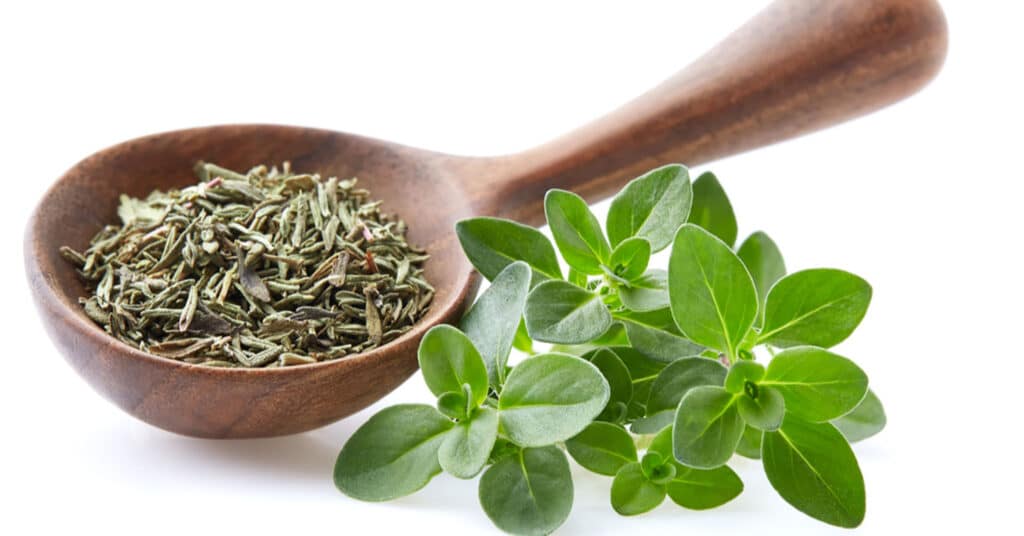
Thyme
Fresh thyme provides three times more vitamin C than in an orange. But, according to Mindfood, only 28 grams of fresh thyme offers 45 milligrams of vitamin C. That’s 50% of the recommended daily value!
Kakadu Plums
Kakadu plums are a superfood found in Australia. Healthline claims Kakadu plums have the highest known concentration of vitamin C than any food, with one plum containing 100 times more vitamin C than oranges. Eating only one Kakadu plum offers as much as 481 milligrams of vitamin C; that’s 530% of the daily value!

Camu Camu
Camu camu is found in Brazil and Peru in the flooded areas of the Amazon rainforest. This little berry offers 56 times more vitamin C than a lemon and 60 times more vitamin C than an orange. Since 100 grams of Camu camu contains 2,145 milligrams of vitamin C, it’s recommended to take it in small doses.
According to Dr. Axe, Camu camu is also good for gum and eye health, gut health, cardiovascular, liver health, supporting inflammation, treating herpes, enhancing moods, and so much more.

Other foods packed with vitamin C include Papayas, Strawberries, Raspberries, Citrus Fruits (like oranges, grapefruit), Kiwi fruit, Tomatoes, Cantaloupe, Watermelon, Mangos, Cauliflower, Cabbage, Spinach, Asparagus, Collard Greens, and Radishes.
While some fruits may not be available locally, they can be easily obtained as a powdered form at a health food store or online and then added to smoothies, yogurt, or oatmeal.
Vitamin D Deficiency
According to NHS, a lack of vitamin D is highly common in people living in the UK due to weather, unhealthy diet, and lifestyle. Vitamin D deficiency leads to bone deformities such as rickets in children, and various orthopedic conditions, including Perthes, osteomalacia, SUFE, and fragility fractures, in adults.
Typical symptoms include:
- Pain: mainly lower limb long bone pain that usually wakes the child up from sleep
- Deformities: genu valgum, genu varum, or growth retardation
- Development: delay in walking
- Muscle: pains, aches, and weakness
- Calcium imbalance: seizures, tetany, or cardiomyopathy
In July, scientists from the University of California San Diego conducted a study that linked vitamin D deficiency to a greater risk of colorectal cancer in adults. They found that countries where people experience lower levels of UVB light report higher rates of colorectal cancer (also called rectal cancer or colon cancer, depending on where they start.)
Vitamin D Health Benefits
Vitamin D controls the amount of calcium and phosphate in the body. These nutrients are vital to keep teeth, bones, and muscles healthy.
Sources Of Vitamin D
The body creates vitamin D from direct sunlight on the skin. However, only 5-30 minutes of direct sun exposure, twice a week, is required for vitamin D synthesis.
Food’s high in vitamin D include:
- Fish – including Tuna, salmon, sardines, herring, and mackerel
- Liver or beef
- Egg yolks
- Fortified foods – such as breakfast cereals and fat spreads

Besides vitamin A, C, D, and minerals like magnesium, a healthy diet includes many other vital nutrients, including potassium, phosphorus, selenium, zinc, and so much more.
Potassium
Potassium, found in many foods, is a mineral that helps the heart muscle work properly and controls the balance of body fluids.
Foods High In Potassium
- Bananas
- Some vegetables – such as broccoli, parsnips, and brussels sprouts
- Beans and pulses
- Nuts and seeds
- Fish
- Beef
- Chicken
- Turkey

Phosphorus
Phosphorus is a vital mineral that helps build strong bones and teeth and helps release energy from food.
Foods High In Phosphorus
- Red meat
- Dairy foods
- Fish
- Poultry
- Bread
- Brown rice
- Oats
Selenium
Selenium helps the immune system work correctly and in reproduction. It also helps prevent tissue and cell damage.
Foods High In Selenium
- Brazil nuts
- Fish
- Meat
- Eggs

Zinc
Zinc helps produce new cells and enzymes, processing carbohydrates, fat, and protein in food and aids wound healing.
Foods High In Zinc
- Meat
- Shellfish
- Dairy foods – such as cheese
- Bread
- Cereal products – including wheatgerm


