Urban transport is changing fast. Rising fuel prices, traffic congestion, and environmental concerns are pushing people to explore alternatives to cars. Among the most promising options are the escooter and the ebike, two forms of micro-mobility that are reshaping how we move through cities. The real question is not whether they can replace cars entirely, but how effectively they can reduce our dependence on them.
Why Cars Are Losing Their Edge
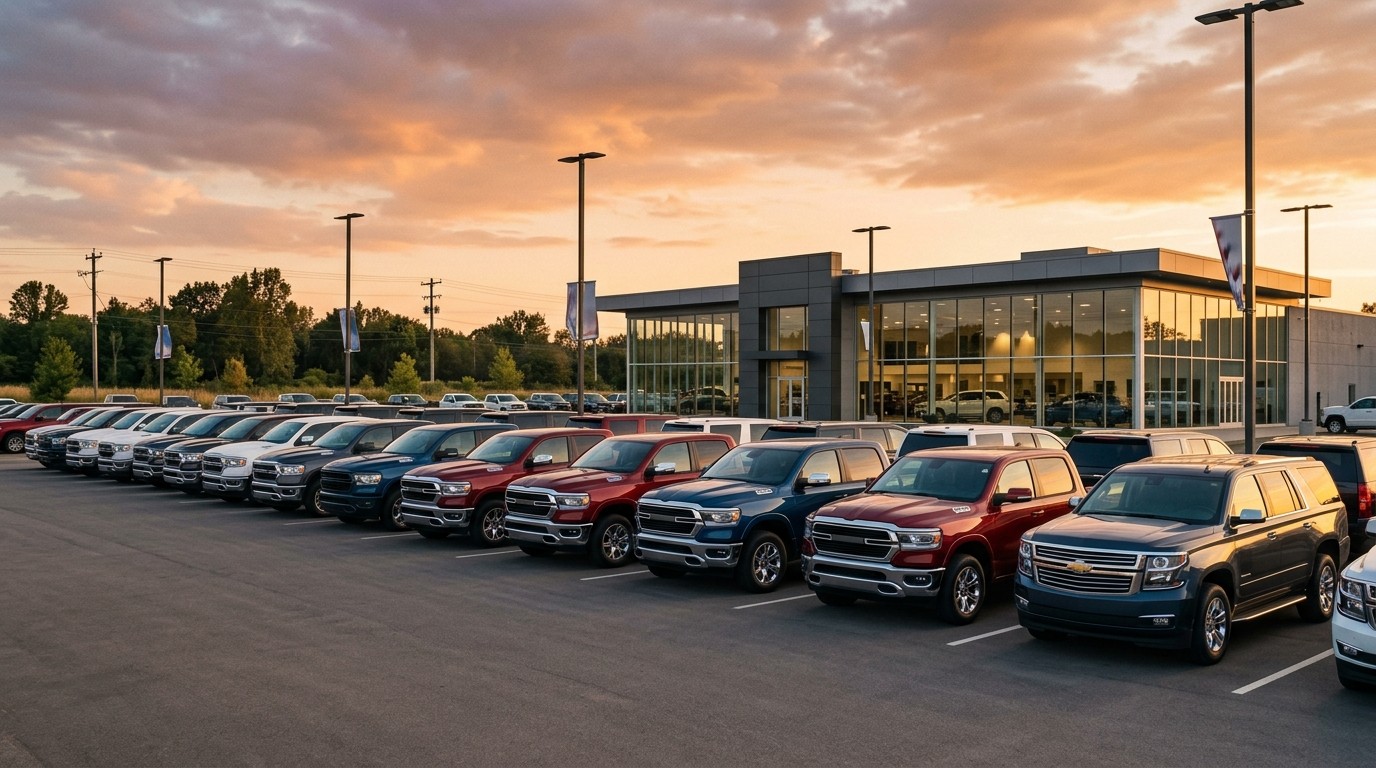
Cars have long been the default mode of transport, but in crowded cities, they are often inefficient. They require parking space, consume fuel, and contribute heavily to pollution. Short trips, like commuting to work, running errands, or visiting nearby places, don’t always justify the cost and hassle of driving. This is where the escooter and ebike step in as smarter, lighter alternatives.
The Rise of the Escooter
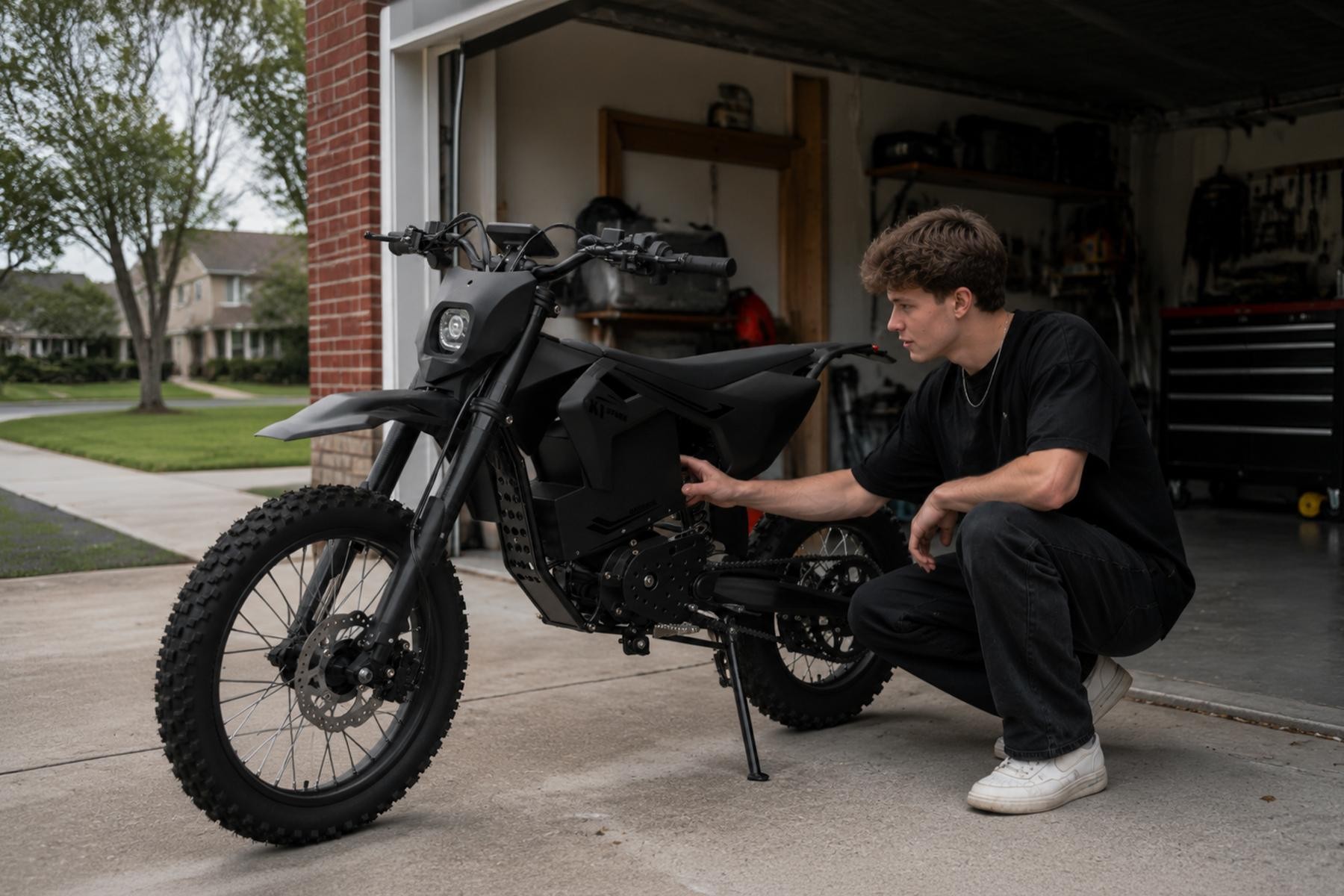
The escooter has quickly become a popular choice for short-distance travel. It is compact, easy to use, and requires minimal effort. For urban commuters, it offers a quick way to navigate through traffic without worrying about parking. Modern designs have improved significantly, especially with the introduction of the long range electric scooter, which can cover up to 100 kilometers on a single charge. This makes it suitable not just for short errands but also for daily commutes.
Another advantage of the escooter is accessibility. It doesn’t require much physical effort, making it ideal for people who want a convenient, low-energy way to travel. For students, office workers, and even older users, it provides a practical alternative to cars.
The Strength of the Ebike
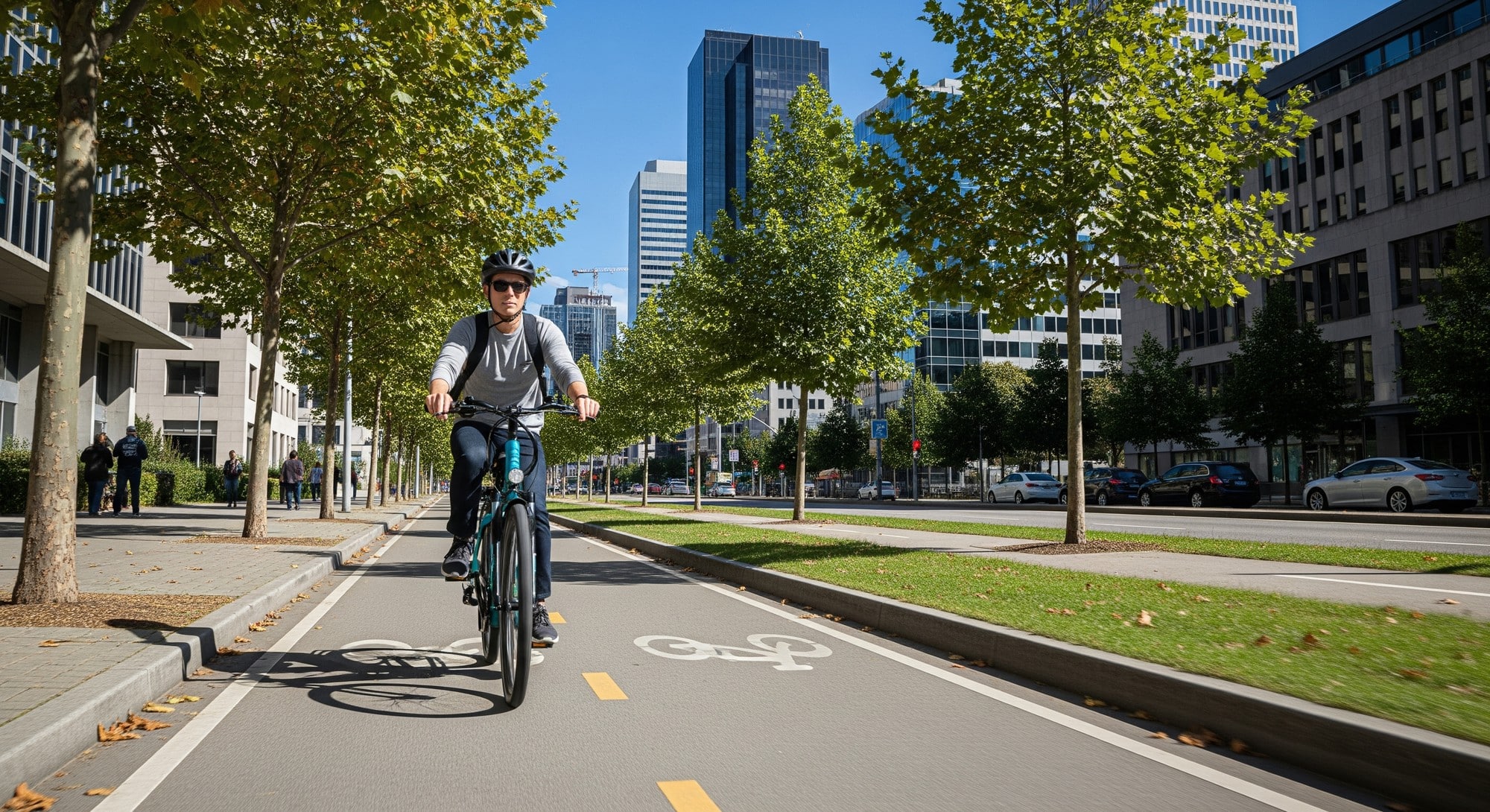
While the escooter focuses on convenience, the ebike offers a balance between effort and efficiency. It combines traditional cycling with electric assistance, allowing riders to travel longer distances without exhaustion. This makes it particularly useful for commutes that are slightly longer or involve uphill routes.
An ebike also promotes a more active lifestyle. Riders can choose how much effort to put in, switching between manual pedaling and electric assistance. Compared to an escooter, it often provides better stability and can handle rougher terrain, especially the fat tire ebikes. For many users, the ebike feels like a more versatile and robust alternative.
Cost and Savings
Both the escooter and ebike are significantly cheaper than cars. There are no fuel costs, and maintenance is relatively simple. Charging an electric battery costs a fraction of what you would spend on petrol. Over time, this leads to substantial savings.
Even high-end options like a long-range electric scooter or a premium ebike are more affordable than owning a car. When you factor in insurance, parking fees, and maintenance, the economic advantage becomes clear. For many urban residents, switching to micro-mobility is not just practical, it’s financially smart.
Environmental Benefits
One of the strongest arguments for escooters and ebikes is their environmental impact. Both produce zero direct emissions, helping reduce air pollution in cities. While electricity generation still has a carbon footprint, it is far lower than that of gasoline-powered vehicles.
As more countries invest in renewable energy, the environmental benefits of these vehicles will continue to grow. Replacing even a portion of car trips with an escooter or ebike can significantly reduce overall emissions and improve urban air quality.
Limitations to Consider
Despite their advantages, escooters and ebikes are not perfect. Weather conditions can limit their usability; rain, extreme heat, or cold can make riding uncomfortable. Safety is another concern, especially in cities without dedicated lanes or proper infrastructure.
Capacity is also limited. These vehicles are designed for individuals, not families or heavy cargo. While an ebike may handle small loads better than an escooter, neither can fully replace a car for all purposes.
A Combined Future
The future of urban mobility is not about choosing one option over another. Instead, it’s about using the right tool for the right situation. An escooter might be perfect for quick, short trips, while an ebike could handle longer commutes. Cars, meanwhile, remain useful for long-distance travel and specific needs.
By combining these modes, cities can reduce congestion, lower emissions, and create more efficient transport systems. The growing popularity of the long-range electric scooter shows that technology is already moving in this direction.

Conclusion
Escooters and ebikes are transforming urban transport. They offer a cleaner, cheaper, and more efficient alternative to cars for everyday use. While they may not fully replace cars, they can significantly reduce our reliance on them. As technology improves and infrastructure adapts, these two-wheel solutions will play an even bigger role in shaping the future of mobility.