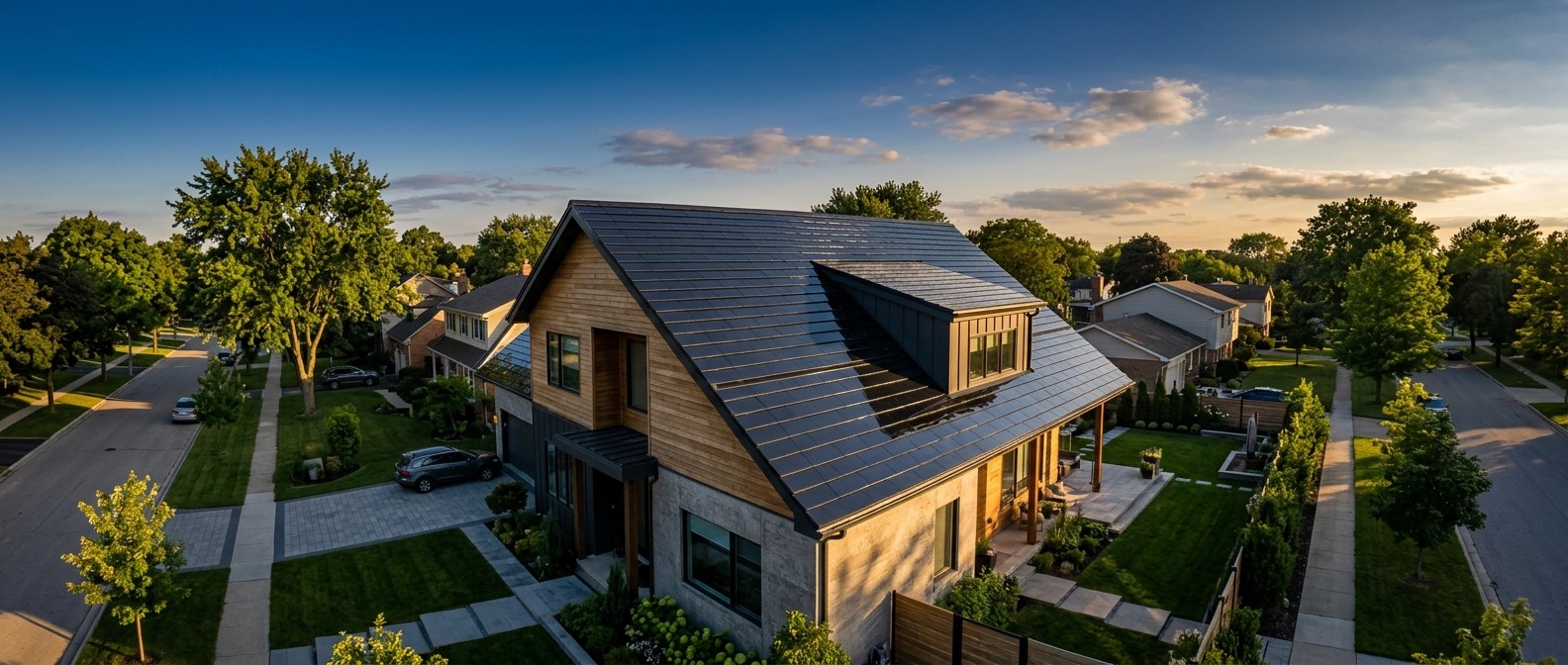
Modern buildings are made from more than simple bricks and mortar. Increasingly, they are equipped with smart technologies that help to slash down on emissions, as well as personal risk for the occupants. These advancements are transforming construction from a static discipline into a dynamic, responsive field that prioritizes sustainability, safety, and long-term efficiency.
Let’s look at some of this tech and how it might impact life in a modern building.
Smart Building Systems That Improve Safety
The best smart technologies are able to detect risk and feed information into a system that can take action before that risk has a chance to develop. This is increasingly being done with the help of predictive systems. A pressure drop in a home’s boiler, for example, might indicate a specific problem elsewhere in the heating system, allowing for automated shut-offs that prevent damage or hazards.
In many cases, specific components facilitate particular benefits. For example, disconnect switches might allow for the safe isolation of electrical circuits, ensuring maintenance can be performed without risking electrical shock or equipment damage. Modern fire detection systems have also evolved, utilizing advanced sensors to distinguish between harmless steam and actual smoke, thereby reducing the number of false alarms in large commercial complexes.

Energy-Efficient Technologies That Reduce Waste
Certain modern technologies are vastly more efficient than their older equivalents. A good modern building will often make heavy use of these technologies. In some cases, regulations might require them to do so to meet stringent energy-saving standards.
For example, your energy use might be reduced with the help of modern LED lighting. When that lighting is controlled automatically using a system of smart sensors and user-defined schedules, the scope for savings is even greater. On top of this, it is often possible to adjust not just the brightness of these bulbs but their hue, too, adapting the environment to better support circadian rhythms or specific tasks.
Beyond lighting, smart HVAC controllers are revolutionizing temperature regulation. By learning the thermal properties of a building and combining this with external weather data, these systems optimize heating and cooling to ensure maximum comfort while minimizing unnecessary energy expenditure. Elevators are another building system where efficiency upgrades pay off, as our guide to energy-efficient elevators explains.
Sustainable Materials and Eco-Tech Advancements
What about the materials from which a building is actually constructed? Certain sustainable, fast-growing forms of timber, like bamboo, can be grown and harvested at much lower cost than many of the other options. Materials that are recycled or repurposed might also help to drive down the environmental cost of a particular building.
There are also promising experimental options for specific applications, like 3D-printed concrete that has been reinforced using graphene to create a material that is far stronger and more durable than traditional concrete, at a fraction of the environmental cost. As discussed in recent insights on innovative technology in eco-centric building, the integration of these advanced materials with automated systems is creating a new benchmark for structural longevity and environmental responsibility.

Intelligent Home and Building Automation
As well as efficiency, it is worth considering the effect that the right smart controls can have on the experience of actually living and working in a given space. You might be able to adjust the temperature to match activity levels or to tweak lighting levels to match the time of day and the preferences of any occupants.
You might think of a series of security cameras and sensors establishing exactly when someone is active in an office building and adjusting the heating and lighting accordingly. When these changes are made in a procedural, predictive way, there is no need to rely on manual oversight. Put simply, options can be set and forgotten, and the results can be driven purely by the data that is being collected. This creates an environment that not only adapts to its users but also anticipates their needs, ultimately resulting in a more seamless and productive experience.