
Key Takeaways
- Assess your lawn’s size, grass type, and terrain before choosing tools.
- Start with essential equipment: a mower, a trimmer, a rake, a hose, and a spreader.
- Manual tools suit small lawns; powered tools work best for larger areas.
- Consider professional grounds maintenance equipment for consistent results.
- Prioritize durability, ease of use, and low maintenance.
- Add specialized tools like aerators, dethatchers, and sprayers for advanced care.
- Maintain equipment regularly to extend its lifespan and performance.
- Choose tools that match your lawn’s needs for efficient, healthy turf.
Maintaining a healthy and attractive lawn or sports field requires the right approach and tools.
For beginners, understanding the basics of turf care is essential before investing in equipment. The right tools can make tasks like mowing, aerating, and fertilizing easier and more efficient, ensuring that the grass stays healthy and grows evenly. Starting with a clear idea of what your turf needs will help guide your choices and prevent unnecessary purchases.
When selecting equipment, focus on quality and suitability for the size and type of area you are managing. Many people find it useful to explore professional grounds maintenance equipment, as these tools are designed to handle frequent use and provide consistent results. Choosing the correct machinery for your specific needs not only improves efficiency but also protects the turf from damage. By learning the basics and matching them to the right equipment, beginners can maintain a healthy lawn or field without feeling overwhelmed.
Understanding Your Lawn’s Needs
Every lawn presents its own set of challenges and characteristics, making it crucial to assess them before investing in equipment. Take time to observe the square footage of your turf, the type of grass in your yard, and any slopes or irregular areas. Certain grasses require more frequent mowing or specialized care, while bumpy or hilly terrain may demand lighter, more agile tools.
Watch for common issues like thatch buildup, signs of soil compaction, inconsistent growth, or pest problems. Pinpointing these factors early enables you to select tools that directly address the underlying obstacles, setting you up for smooth, efficient maintenance in the long run.
Essential Turf Maintenance Equipment
Starting with a foundation of reliable, multi-purpose tools is key to simplifying lawn maintenance. Here are some essential pieces of equipment every lawn caretaker should consider:
- Lawn Mower: Choose a style, push, self-propelled, or riding mower, based on the size and shape of your lawn. Battery-powered models offer quieter operation and are often lighter, making them easier to maneuver.
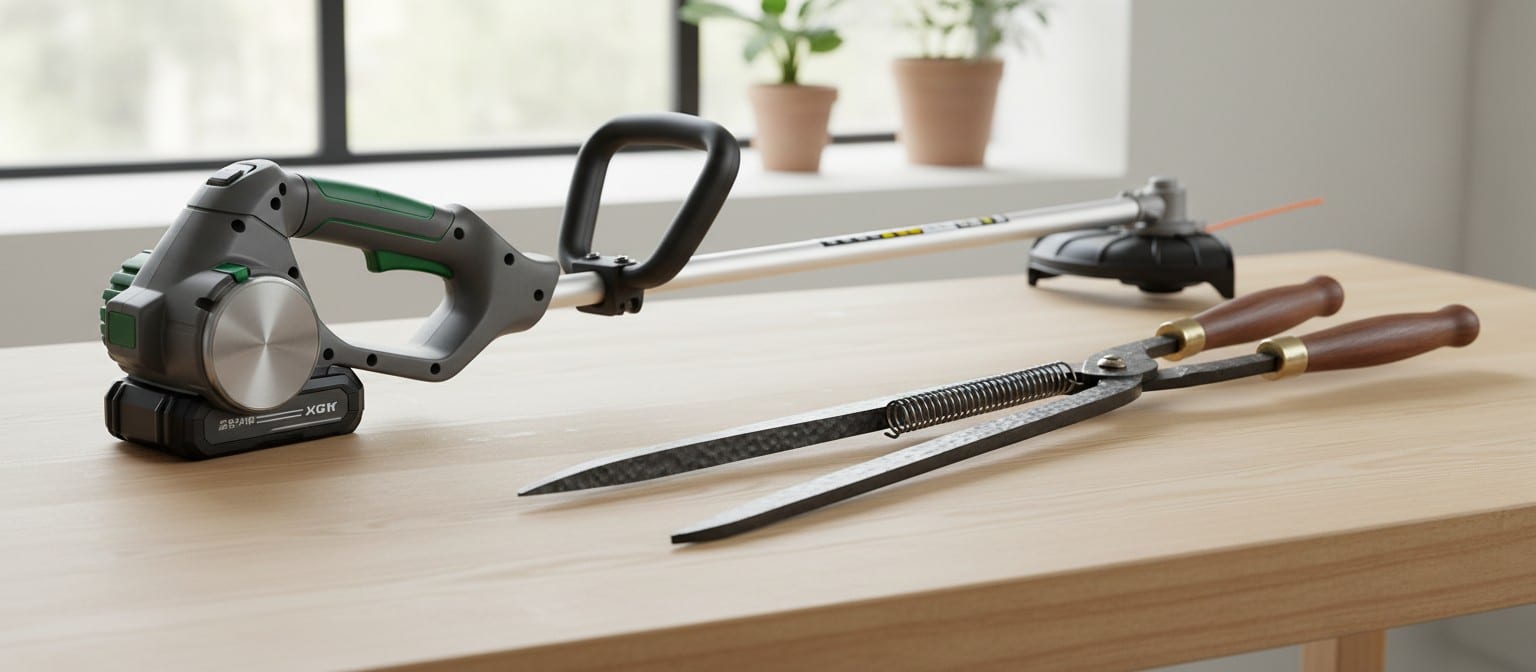
- String Trimmer (Weed Whacker): Essential for tidying up edges near walkways, trees, and garden beds where mowers struggle to reach.
- Rake: Critical for managing leaves and organic debris, ensuring your turf remains debris-free and healthy.
- Garden Hose with Nozzle: Adjustable nozzles offer flexibility for gentle watering or more targeted cleaning, depending on your needs.
- Spreader: Whether applying seed or fertilizer, a quality spreader promotes uniform distribution and consistent growth.
Manual vs. Powered Equipment
The decision between manual and powered equipment hinges largely on your lawn’s size and your willingness to invest physical effort. For those with smaller yards, manual options are often sufficient. These tools are affordable, require minimal storage, and have a lower environmental impact.
For larger lawns or those seeking greater efficiency, electric or battery-powered tools are excellent choices. Many manufacturers now offer interchangeable battery systems, reducing overall costs and simplifying frequent tool changes. These innovations provide convenience, lower emissions, and require less routine maintenance compared to traditional gas-powered alternatives.
Additional Equipment for Comprehensive Care
Once basic mowing and trimming are under control, adding specialized equipment enhances overall turf health and addresses persistent issues. Consider integrating these tools when your routine calls for next-level care:
- Aerators: Perforate the soil to promote the flow of oxygen, water, and nutrients to the roots, particularly in high-traffic or compacted areas.
- Dethatchers: Remove excessive build-up of organic material, preventing disease and improving soil health.
- Top Dressing Machines: Distribute thin layers of soil or sand to level uneven surfaces and enrich the topsoil.
- Sprayers and Spreaders: Facilitate targeted applications of treatments or fertilizers, ensuring even and safe distribution.
Factors to Consider When Purchasing Equipment
Don’t overlook critical factors such as cost, durability, and usability when selecting your equipment. A higher upfront investment in quality and reliability pays dividends in fewer repairs, greater efficiency, and better results over time.
- Cost: Prioritize value and longevity over upfront savings to avoid frequent replacements or breakdowns.
- Durability and Reliability: Opt for trusted brands or products with positive reviews to ensure dependable performance.
- Ease of Use: Ergonomically designed equipment makes tasks more comfortable, reducing fatigue on longer jobs.
- Maintenance Requirements: Factor in how much time and effort you’re willing to devote to keeping your tools in working order.
Maintenance of Equipment
Consistent maintenance is the foundation for getting the most out of your turf care investment. Clean all equipment after each use, store it in a dry place, and regularly inspect items for signs of wear. Sharpen mower blades, lubricate moving parts, and replace worn components promptly to avoid unexpected breakdowns. A little routine care prevents costly repairs and keeps your equipment running smoothly season after season.

Conclusion
Selecting and maintaining the right turf maintenance equipment is a cornerstone for any homeowner or grounds manager invested in a healthy lawn. By understanding your property’s specific needs, equipping yourself thoughtfully, and sticking with a regular care routine, you will maximize both the beauty and durability of your turf. A well-chosen set of tools, paired with consistent upkeep, allows you to enjoy a lush, vibrant yard and less frustration on mowing day.


