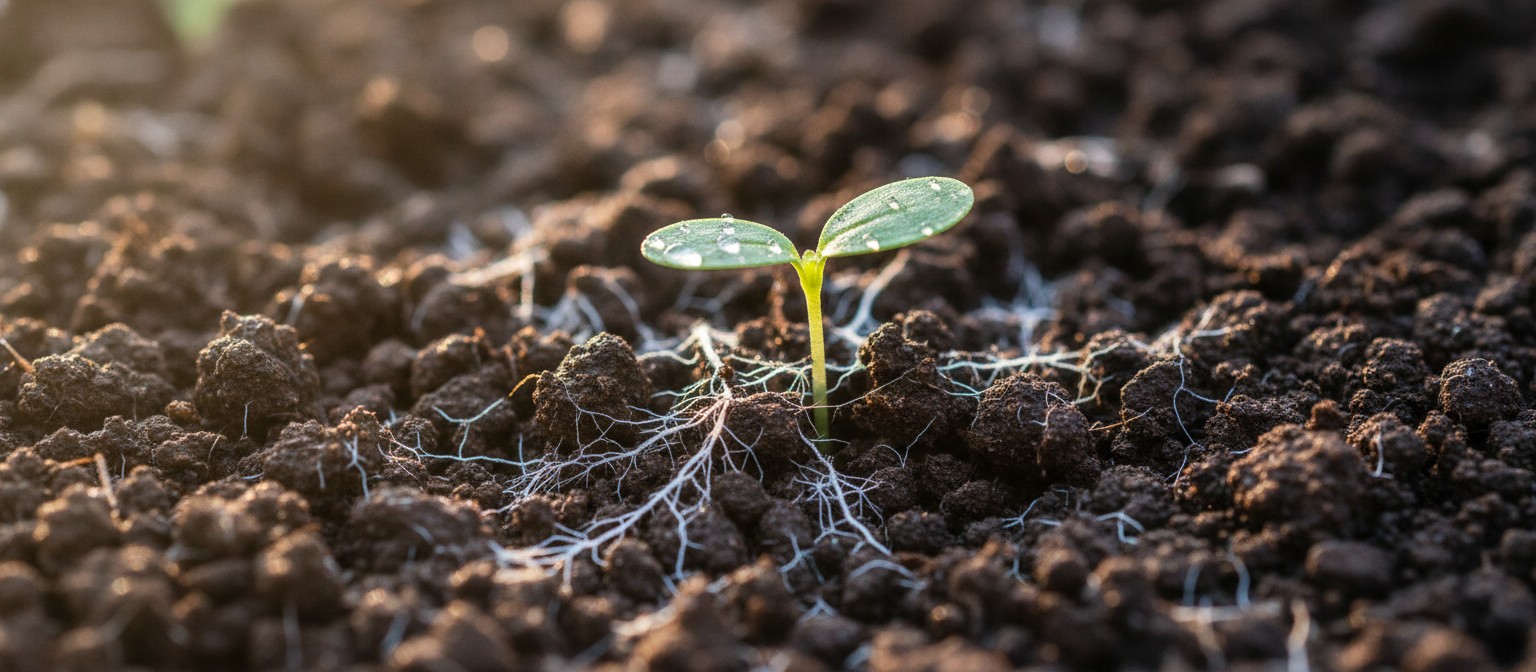
As our world faces the dual challenge of feeding a growing population and conserving the environment, new agricultural technologies are emerging that could radically reshape food production. One of the most exciting developments is the use of artificial photosynthesis and electro-agriculture—technologies that allow plants to grow without sunlight. This innovation, fueled by solar power, electrochemical processes, and genetic engineering, supports plant growth in the dark, bypassing traditional photosynthesis.
The Agricultural Revolution in Darkness
These groundbreaking approaches have the potential to significantly reduce the amount of land required for agriculture. This means more land can return to nature, supporting biodiversity and enhancing ecosystem health. Technologies like these also allow for crop production in places where traditional farming isn’t feasible, opening up possibilities for sustainable food production in urban environments, extreme climates, and even space. Integrating advanced science with sustainable farming, artificial photosynthesis, and electro-agriculture could usher in an agricultural revolution that aligns with the urgent needs of our planet and society.
In the face of rapid urbanization and changing climate conditions, artificial photosynthesis and electro-agriculture offer timely solutions for modern food production challenges. Traditional farming methods depend heavily on large areas of land, ample sunlight, and favorable weather, all of which are becoming less predictable and more scarce in many parts of the world. By producing nutrient-rich compounds that plants can consume without sunlight, these technologies support sustainable farming that can thrive in cities, remote locations, and even extreme environments. As a result, they hold the promise of both feeding populations more efficiently and conserving precious natural resources.

Understanding Artificial Photosynthesis and Electro-Agriculture
At the heart of this agricultural transformation are two innovative processes: artificial photosynthesis and electro-agriculture. While they share the common goal of growing food without sunlight, each uses a distinct approach to achieving this aim.
What Is Artificial Photosynthesis?
In nature, photosynthesis is the process by which plants convert sunlight, water, and carbon dioxide (CO₂) into energy. Artificial photosynthesis, however, mimics this process but does not rely on sunlight. Instead, it uses electrochemical reactions to convert CO₂ and water into a nutrient-rich substance called acetate. This acetate then serves as an energy source for plants, allowing them to grow in complete darkness.
A research team at UC Riverside developed a two-step process that uses electricity to drive these reactions. The first step involves splitting water into oxygen and hydrogen ions. Next, CO₂ is combined with these ions to produce acetate, which can then be consumed by plants as an energy source. According to UC Riverside, this method is more efficient than natural photosynthesis, which typically captures only a small fraction of sunlight. By bypassing sunlight entirely, artificial photosynthesis could increase food production while reducing resource use.
In practical terms, this process means that plants can be grown in controlled indoor environments without the need for extensive farmland or natural light. By incorporating this technology, artificial photosynthesis has the potential to support agriculture in dense urban centers, harsh climates, and even areas affected by unpredictable weather, making food production more resilient and adaptable to climate change.
Electro-Agriculture: A New Frontier for Crop Growth
While artificial photosynthesis converts CO₂ directly into plant nutrients, electro-agriculture takes a slightly different approach. This method uses solar panels to capture sunlight and convert it into electricity, which then drives a similar process of acetate production. However, in electro-agriculture, the focus is on using acetate to stimulate microbial communities in the soil or other growing mediums, creating a nutrient-rich environment for plants.
The advantages of electro-agriculture are numerous. It can significantly reduce the land and water needed for traditional farming. According to recent findings reported on EurekAlert, this method could reduce land use by up to 94%, an astounding figure that would free up large amounts of land for reforestation and conservation efforts. By generating energy through solar power, electro-agriculture also reduces dependence on fossil fuels, making it a sustainable option for large-scale food production.
Additionally, electro-agriculture has potential applications beyond Earth. Since it doesn’t require sunlight, it could be used in environments with limited light, such as underground facilities or even space habitats. This adaptability opens up exciting possibilities for feeding future generations in places where traditional agriculture simply isn’t feasible.

How These Technologies Could Reshape Agriculture and the Environment
Artificial photosynthesis and electro-agriculture are not just new technologies—they represent a potential shift in how we approach food production. By allowing plants to grow without sunlight, they can address some of the biggest challenges facing agriculture, from limited arable land to the impact of climate change on crop yields. These technologies have implications that go beyond producing food. They could change how we use land, conserve biodiversity, and reduce our agricultural carbon footprint.
Boosting Food Production Efficiency
One of the most immediate benefits of these technologies is the ability to boost food production efficiency. Traditional farming requires large areas of land and natural sunlight, both of which can be limiting factors in densely populated or climate-challenged regions. However, with artificial photosynthesis and electro-agriculture, food can be grown in controlled indoor environments that bypass the limitations of outdoor farming. This is a major leap in food security, as it allows food to be produced year-round, unaffected by seasonal changes, pests, or extreme weather events.
The efficiency of artificial photosynthesis, as demonstrated by the researchers at UC Riverside, is significantly higher than that of natural photosynthesis. Traditional photosynthesis converts only about 1% of sunlight into plant growth, while artificial photosynthesis has been shown to operate at far higher efficiencies. This enhanced efficiency means that more food can be produced with less energy input, reducing the overall resources needed for agriculture.
Reducing Agricultural Land Use and Conserving Biodiversity
Artificial photosynthesis and electro-agriculture also promise to reduce the amount of land required for agriculture, a critical advantage in a world with shrinking forests and expanding urban areas. Growing food in artificial light or dark environments could decrease the demand for farmland by up to 94%. This reduction could free vast areas of land currently used for agriculture, allowing them to return to natural ecosystems.
Land restoration has far-reaching benefits for biodiversity. Many ecosystems are under threat from expanding agriculture, which fragments habitats and reduces natural resources available to wildlife. By decreasing the land needed for farming, artificial photosynthesis, and electro-agriculture create an opportunity to reverse some of this damage, allowing degraded land to be restored and natural biodiversity to thrive.
Additionally, the conservation of biodiversity goes hand-in-hand with climate resilience. Healthy ecosystems are better equipped to buffer against extreme weather events, sequester carbon, and support clean air and water. By enabling more land to be set aside for conservation, these technologies could play a role in enhancing the planet’s resilience to climate change.

Innovations Making It Possible: Solar Panels, Bacteria, and Genetic Engineering
The concept of growing plants without sunlight may sound like science fiction, but it’s becoming a reality thanks to innovations in solar panels, genetically engineered bacteria, and genetic modification.
Solar Panels: Powering Agriculture Beyond the Sun
One of the cornerstones of both artificial photosynthesis and electro-agriculture is the use of solar panels. By capturing solar energy, solar panels enable these technologies to bypass the need for natural sunlight in plant growth. In the case of electro-agriculture, solar panels convert sunlight into electricity, which is then used to drive chemical reactions that produce acetate, a key nutrient for plants in these artificial systems.
This process has significant implications for energy efficiency in agriculture. Traditional farming relies heavily on sunlight and water, both of which can be unpredictable. With solar panels, electro-agriculture becomes a consistent, controlled system that can operate efficiently year-round, regardless of weather conditions or daylight hours. Solar energy thus provides a renewable, sustainable power source that aligns with global goals for reducing carbon emissions and promoting clean energy.
Engineered Bacteria and Genetic Modification
In addition to solar panels, engineered bacteria, and genetic modification play a crucial role in these new agricultural methods. Scientists have developed genetically modified plants that can thrive on acetate, a compound not normally found in traditional plant diets. These plants are specially engineered to absorb and use acetate as a source of energy, allowing them to grow without sunlight.
According to researchers at UC Riverside, this approach could make it possible to produce a wide variety of crops, from leafy greens to high-calorie staples, in indoor facilities or environments without natural light. The process of modifying plants to absorb acetate involves intricate genetic changes that reconfigure their energy needs. This breakthrough is made possible by advances in biotechnology and genetics, which have made it feasible to tailor plants to specific environments and energy sources.
Genetic engineering also opens up exciting possibilities for agriculture in space, where sunlight is limited or intermittent. In space, electro-agriculture could be used to sustain life by providing a renewable food source for astronauts on long missions or on distant planets. By engineering plants to thrive on alternative energy sources, scientists are paving the way for agriculture that transcends Earth’s environmental limitations.

Challenges and Future Directions for Artificial Photosynthesis and Electro-Agriculture
While artificial photosynthesis and electro-agriculture hold significant promise for transforming agriculture, they also face some notable challenges. Implementing these technologies on a large scale will require overcoming technical, economic, and regulatory barriers. However, with continued innovation, these obstacles could pave the way for sustainable food production and environmental conservation.
Potential Barriers to Widespread Adoption
A major barrier to adopting artificial photosynthesis and electro-agriculture is scalability. Although these methods are efficient in controlled environments, transitioning to mass production would require substantial resources and infrastructure. For example, converting sunlight to acetate for large-scale plant growth necessitates extensive solar panel setups and robust electrochemical systems. This infrastructure would need to be maintained and monitored to ensure consistent nutrient production, which could pose logistical and financial hurdles.
Another challenge is cost. Currently, these technologies rely on specialized equipment and processes that are costly to implement. Artificial photosynthesis, for instance, requires advanced electrochemical cells and genetically engineered plants, both of which increase production expenses. Lowering these costs will be essential to make the technology accessible to farmers and feasible for large-scale agricultural operations. As noted by experts, costs will likely decrease as the technology matures and demand drives innovation and competition.
Additionally, regulatory and environmental concerns may impact the widespread use of these technologies. Regulatory agencies may need to develop new frameworks for monitoring and approving genetically engineered crops that rely on alternative energy sources. Environmental assessments will also be necessary to evaluate any potential impacts on soil, ecosystems, and biodiversity, ensuring that these technologies genuinely benefit the environment without unintended consequences.
Future Use Cases: From Earth to Space
Looking ahead, the applications of artificial photosynthesis and electro-agriculture extend beyond traditional farming. One exciting potential use is in space agriculture. As humanity explores possibilities for long-term space missions and settlements on the Moon or Mars, reliable food sources will be essential. These technologies offer a practical solution for growing food in environments where sunlight and other resources are limited. By using acetate and other synthetic nutrients, crops could be cultivated in self-contained systems, providing fresh food for astronauts and future settlers in space.
Back on Earth, these methods could support urban agriculture by enabling food production within cities where land is scarce. Indoor farms, rooftop gardens, and even underground agriculture systems could leverage artificial photosynthesis to grow fresh produce year-round. This could reduce food transportation costs, support local economies, and improve food security for urban populations.
As research progresses, it’s also possible that more crops could be adapted to grow using these alternative methods. While current research focuses on specific plants like leafy greens and high-calorie crops, genetic engineering could enable a broader range of crops to thrive in artificial photosynthesis systems. This would expand the variety of food that can be produced sustainably, enhancing dietary diversity and accessibility for communities worldwide.

Conclusion: Pioneering a Greener, More Resilient Future
Artificial photosynthesis and electro-agriculture represent a transformative step forward in how we approach food production. By enabling plants to grow without sunlight, these innovations not only promise to increase food security but also reduce the environmental impact of agriculture. Less reliance on land and natural resources means more opportunities for reforestation, conservation, and biodiversity protection. This shift could be particularly impactful as the world grapples with climate change, urbanization, and a growing population.
The journey to mainstream adoption will undoubtedly require innovation, investment, and thoughtful regulation. Yet, as research continues and these technologies become more accessible, artificial photosynthesis and electro-agriculture could become powerful tools for creating a sustainable, food-secure world. Whether applied in urban environments, remote regions, or even extraterrestrial settings, these advancements hold the potential to support a resilient future where humanity and nature can thrive together.
By embracing these cutting-edge methods, we are not just rethinking agriculture; we are pioneering a path toward a greener, more sustainable planet for future generations.