
Imagine a world where the food on your table comes from a farm that is not just committed to profits but also to nurturing the Earth. This vision is driving a new generation of young farmers who are radically changing the landscape of agriculture. With increasing awareness of environmental challenges, these pioneers are embracing regenerative agriculture—not just as a farming method but as a solution to global issues like climate change and biodiversity loss.
Regenerative agriculture is different from traditional farming because it focuses on restoring the health of the soil, improving water retention, and increasing biodiversity. Instead of using harmful synthetic fertilizers and pesticides, this approach encourages the use of cover crops (plants grown to protect and enrich the soil), diverse plant species, and minimal soil disturbance. These methods help store carbon in the soil, tackle erosion (which is the gradual wearing away of topsoil), and maintain the fertility necessary for growing healthy crops.
In this article, we’ll uncover the stories of young farmers who are spearheading this movement, their innovative approaches, and the support they receive from global organizations to push forward this agricultural revolution. As we explore these narratives, it becomes clear that young people are not just inheriting the Earth—they’re determining its future.

The Rise of Young Farmers
Across the globe, young people are stepping into the fields with a determination to make farming both sustainable and viable. A shining example of this is Alice Tibbetts, a 21-year-old no-till farmer at Fledgling Farm in Sebastopol, California. No-till farming is a method that avoids plowing the soil, thereby preserving its structure, retaining moisture, and enhancing its ability to sequester carbon, which is crucial for mitigating climate change. Alice’s journey was not just about growing vegetables but about instilling a sense of confidence in reshaping how we cultivate the land.
Young Farmers Revive Agriculture with Community and Resolve
However, the journey is not without its challenges. Many young farmers face significant barriers like access to affordable land. Cory Froning and her peers at Farm Upstream in Vermont epitomize young people overcoming these hurdles through cooperation and community support. Despite obstacles such as skepticism and financial constraints, their bold step to establish a sustainable farm in Jericho involved conserving an old dairy farm and transforming it into a vegetable farm, proving that dedication and collective effort can pave the way for success.
Urban Renewal: Transforming Food Deserts into Sustainable Ecosystems
Moreover, this growing movement of young farmers isn’t confined to rural settings; it extends to urban environments, too, where innovative solutions are turning food deserts into productive lands. In Baltimore, Farmer Chippy’s Plantation Park Heights Urban Farm is a testament to this change. This farm teaches young people about sustainability, offering them the tools to understand where their food comes from and how to grow it sustainably. The farm has been recognized for its community contributions, showing that urban agriculture can be a powerful vehicle for educational and environmental change.
Cultivating Change: Sustainable Revolution for Thriving Communities
These stories illustrate a vibrant and committed youth embracing regenerative practices to fight climate change and create thriving communities. Their efforts reflect a paradigm shift, where agriculture is seen as an integral part of environmental stewardship rather than merely a means of production. It reminds us that sustainable practices are about preserving resources and revitalizing how we interact with our environment and each other. The rise of these young farmers is a beacon of hope, symbolizing a shift towards a more resilient and interconnected world.
Each individual’s story underscores a collective narrative—an emerging future where young minds lead the way in cultivating change, both in agriculture and society at large.

Innovations in Sustainable Farming Practices
Regarding farming, innovation isn’t just about using the latest gadgets—it’s about blending time-tested methods with cutting-edge technology for a new way of cultivating the land. The resurgence of regenerative agriculture has brought attention to both ancient techniques and modern advancements that promise a more sustainable farming future.
Reviving Tradition: Aztec Chinampa System Inspires Modern Sustainable Gardening
One fascinating method being rediscovered is the Aztec Chinampa system, a traditional way of creating floating gardens for growing crops. This technique originally involved building small, rectangular plots on shallow lake beds. Today, it’s capturing the imagination of modern homesteaders looking to grow sustainable gardens right in their backyards. These floating gardens are celebrated for their productivity and their role in conserving water and preventing soil erosion.
Tech-Driven Transformation: AI Enhances Soil Health for Sustainable Farming
On the other side of the spectrum, technology is playing a pivotal role in making farming smarter and more efficient. Artificial Intelligence (AI) is now being used to map soil health across vast areas, helping farmers understand how to improve the quality of their crops while storing more carbon in the soil—an essential requirement for combating climate change.
Machine Learning Revolutionizes Soil Mapping for Cost-Effective Farming
Companies like Perennial have developed digital soil mapping technologies, using machine learning—a type of AI—to analyze a wide range of environmental data, such as temperature and rainfall. This reduces the need for physical soil sampling, cutting costs and time while increasing the accuracy of assessments.
Bridging Eras: Fusion of Ancient Techniques and Modern Tech in Sustainable Farming
These innovations show how ancient wisdom and modern technology can coexist. By integrating diverse practices, farmers improve their yields and ensure that their farming methods are sustainable and environmentally friendly. This innovative spirit is vital in forging a path to regenerative farming that can sustain future generations.

Global and Institutional Support for Sustainable Farms
The shift towards regenerative agriculture isn’t happening in isolation. Around the world, institutions and collaborations are giving farmers the backing they need to transition to these sustainable practices. This support is crucial because it provides both knowledge and resources to make significant changes on the ground.
Academic Alliances: Regenerative Agriculture Through Research and Collaboration
Educational institutions are at the forefront of these efforts. Purdue University, for instance, has collaborated with Bayer to establish the Coalition for Sustainable and Regenerative Agriculture. This partnership aims to gather real-world data to support regenerative practices, which help improve soil health and increase ecosystem resiliency. The coalition’s initiatives also include providing farmers with the tools and knowledge they need to succeed in a changing agricultural landscape.
Corporate Commitment: Transforming Supply Chains with Nature-Friendly Farm Practices
Meanwhile, corporations are pushing forward with ambitious plans to align their supply chains with sustainable practices. The John Lewis Partnership, through its Waitrose stores, has committed to sourcing products from farms employing nature-friendly methods. Working closely with the University of Reading and LEAF (Linking Environment And Farming), they are developing farming practices that enhance biodiversity and support long-term soil health—key components of a sustainable food system.
Empowering Young Farmers Through Global Sustainability Initiatives
Globally, initiatives like the Waitrose ‘Farming for Nature’ scheme are creating opportunities for young farmers to access financial resources and transition to low-carbon farming practices. This comprehensive support network offers workshops, mentoring, and a market for regeneratively produced food, further encouraging the adoption of sustainable techniques.
These global and institutional efforts signify an important shift in the farming sector: from viewing sustainability as an option to recognizing it as a necessity. By facilitating knowledge transfer and providing tangible support, these initiatives are laying the groundwork for a more sustainable agricultural future, ensuring that young farmers have the means to thrive while protecting the planet. This collective push demonstrates that meaningful progress is within reach when educational, corporate, and governmental forces unite.
Impact of Regenerative Farming
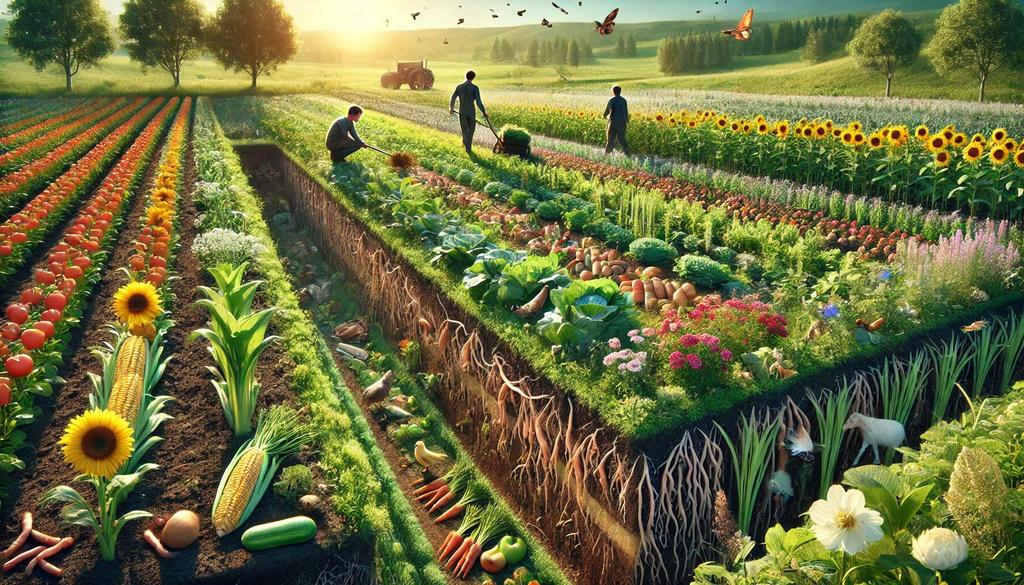
The transformation of agriculture through regenerative farming practices is more than a trend; it carries significant implications for both the environment and the economy. These approaches go beyond merely sustaining current conditions—they actively repair and enhance the natural world while ensuring farms are productive and resilient.
One of regenerative agriculture’s most profound environmental impacts is its ability to improve soil health. Healthy soil is like a sponge that retains water and nutrients, which helps crops grow better and reduces the need for chemical fertilizers.
By using cover crops and reducing soil disturbance, regenerative farming also helps store carbon in the soil, lowering the amount of carbon dioxide—a major greenhouse gas—in the atmosphere. This process, known as carbon sequestering, plays a crucial role in fighting climate change.
Economic Empowerment: Regenerative Farming’s Role in Building Resilient Agri-Economies
Beyond environmental benefits, regenerative farming promises economic resilience for farmers. Practices that enhance biodiversity and soil fertility often result in healthier crops and increased yields. For instance, initiatives that incorporate AI technology to optimize farming practices are showing promising results in terms of crop productivity and reduced input costs. These methods help farmers become less dependent on expensive chemical inputs and more invested in natural processes, fostering a more sustainable economic model.
Cultivating Demand: Regenerative Agriculture Opens New Markets for Eco-Conscious Consumers
Moreover, regenerative agriculture can expand markets by attracting consumers who are increasingly aware of and interested in sustainability. As more people become concerned about environmental issues, the demand for products grown using these methods is expected to rise, thus providing farmers with new income opportunities.
Regenerative farming demonstrates that addressing environmental problems can go hand in hand with economic benefits. By investing in the land and natural resources, farmers are improving their livelihoods and paving the way for a more balanced ecosystem.

The Future of Farming
The path towards a sustainable agricultural future is quite promising, thanks to the enthusiastic involvement of young farmers who are at the forefront of the regenerative movement. Their innovative ideas and willingness to embrace new techniques are key drivers in transforming farming into a more resilient and sustainable sector.
Nurture the Future: Empower Youth Through Education
Education and empowerment form the cornerstone of this transformation. Programs like those at Plantation Park Heights Urban Farm focus on educating the youth about sustainable farming practices, equipping them with the necessary tools and knowledge to take ownership of food production within their communities. These educational efforts are vital in ensuring the continuity of regenerative farming practices by passing on crucial skills and knowledge to future generations.
Scale Innovation: Smart Tech Propels Sustainable Farming
Meanwhile, scaling up these practices involves strategic efforts and a cooperative approach. As we move forward, the integration of smart technologies will continue to revolutionize how farming is done. Advancements in data analytics and AI are enabling farmers to make informed decisions about crop management and land use. This aids in optimizing every step of the farming process, improving efficiency, and reducing waste.
Join Agricultural Forces: Institutional and Governmental Alliances
Another vital component for the long-term success of regenerative agriculture is the continued support from global institutions and local governments. Collaborations like that between Purdue University and Bayer, which focus on accelerating climate-smart and regenerative agricultural practices, are imperative. These partnerships provide necessary resources and create frameworks for adopting sustainable farming on a larger scale.
Cultivate Tomorrow: Young Innovators Merge Tradition and Tech
In looking forward, it is clear that the future of farming relies on a blend of tradition and innovation. Young farmers, equipped with cutting-edge technology and an acute understanding of environmental issues, are poised to redefine agriculture. By embracing ancient wisdom and modern capabilities, they ensure that farming remains a viable and eco-friendly occupation. This integration supports a vision where agriculture feeds the planet and sustains it, promising a healthier future for Earth and its inhabitants.
Through these initiatives and the unwavering commitment of the younger generation, the farming world is gearing up for a revolution that aligns with sustainable living. This ensures that our future food systems are not just about yield and profit but about nurturing a planet that we all call home.

How Young Farmers Redefine Agriculture with Regenerative Vision
As we look toward the future, the pioneering efforts of young farmers and their dedication to regenerative agriculture offer a beacon of hope. This new wave of farming is reshaping the agricultural landscape, where sustainable practices and innovative technologies converge to create systems that nurture the Earth rather than deplete it. These practices not only challenge the old norms but pave a path for a more resilient and sustainable future for our global food supply.
The stories we’ve explored reveal an essential truth: sustainable farming is not just about cultivating crops; it’s about cultivating communities and environments where both people and nature can thrive. The ingenious revival of ancient methods like Aztec Chinampas, alongside the groundbreaking application of digital tools in soil health management, demonstrates how embracing history and innovation is central to this transformation.
Unified Front: Collaborative Efforts Pave the Way
Moreover, the broad support from educational institutions, corporations, and governments highlights the unprecedented collaboration required to support these young innovators. Programs and partnerships are providing essential resources and frameworks that are critical for mainstreaming these regenerative practices, making the transition smoother for farmers ready to embrace change.
We are witnessing the dawn of a new era in agriculture—one that acknowledges our collective responsibility to steward the land for future generations. This movement isn’t just reshaping agriculture; it’s redefining how we interact with our environment. It brings technology, history, and humanity together in ways that propel us toward a future of balance and sustainability.
Harvest Hope: Young Farmers Lead the Way
The journey of these young farmers highlights an underlying message of optimism and action. They are not just growing food; they are cultivating hope and demonstrating that with commitment and innovation, sustainable farming is achievable. Their work reminds us that the future of farming is not just in the hands of those who till the fields but in the choices we make as a society. By championing and supporting sustainable practices, we each contribute to the legacy of a planet that feeds not just our hunger but our need for a healthier, richer ecosystem for generations to come.
As we end this exploration, it’s clear that with continued perseverance and support, these young farmers are not just cultivating crops—they are cultivating a sustainable future. And that future is one where humanity doesn’t just survive but thrives in harmony with the natural world.


