
When it comes to vehicle maintenance, one of the most common questions drivers face is: “How often should I really change my oil?” The answer, however, isn’t as straightforward as it seems. A plethora of factors come into play, including the age of your car, your driving habits, and the type of oil you’re using—each influencing the health and longevity of your engine significantly.
For many car owners, oil changes can feel like a daunting task, often misunderstood or overlooked. Some believe that adhering strictly to mileage dictates the optimum time for an oil change, while others lean towards a time-based approach. Understanding the nuanced relationship between these two aspects is crucial. Every moment you drive your vehicle, whether zipping through city streets or cruising on the highway, your engine is working hard to keep you moving. Within this complex mechanical system, oil acts as a lifeblood, providing crucial lubrication and protection against wear and tear.
In this article, we’ll unravel the myths surrounding oil change frequency and shed light on the facts, helping you discern the perfect balance between time and mileage. We’ll delve deeper into how various driving conditions and oil types can sway your car’s performance—and why a cookie-cutter approach to oil changes simply doesn’t cut it. Whether you’re a seasoned car enthusiast or a casual driver, understanding these principles can lead to smarter maintenance decisions that keep your engine running smoothly for years to come. Join us as we explore the vital factors that influence how often you should change your oil, ensuring your vehicle remains in optimal condition while navigating the roads ahead.
An Overview of Your Car’s Oil
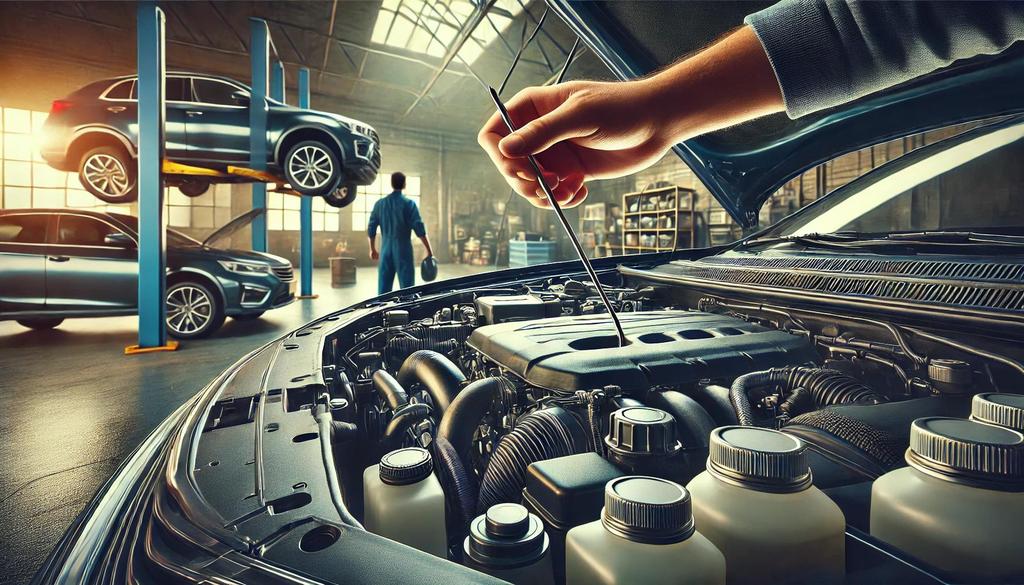
Caring for your car involves regular maintenance, and changing the oil is a key aspect of this routine. However, there is ongoing confusion regarding the ratio of oil change time vs. mileage or whether an oil change should be based on the number of miles driven or the elapsed time since the last change. This question is particularly important for ensuring your vehicle’s engine performs optimally and remains durable over the years.
Oil plays a vital role in your engine’s functionality. It lubricates various parts, reducing friction and preventing wear and tear caused by harmful pollutants and chemical breakdown. Consequently, prioritizing timely oil changes is essential for the health of your vehicle. When determining the right moment for an oil change, it’s important to weigh both the mileage you’ve accumulated and the duration of time since the last service.
Factors Impacting Oil Change Frequency
Determining the right time for an oil change is not a straightforward decision. Multiple factors influence this choice, including the type of oil you use, the age and condition of your vehicle, and your individual driving habits.
For instance, synthetic oils generally last longer than conventional oils and provide enhanced protection and performance. Vehicles subjected to extreme weather conditions or those that make frequent short trips often require more frequent oil changes due to faster oil breakdown.
Additionally, the brand and model of your car significantly affect how quickly the oil deteriorates. Driving conditions also play a crucial role in this process. For example, a high-performance sports car usually necessitates more regular oil changes, especially when driven in demanding climates, compared to a compact car operating in milder weather.
The Significance of Oil Type and Quality
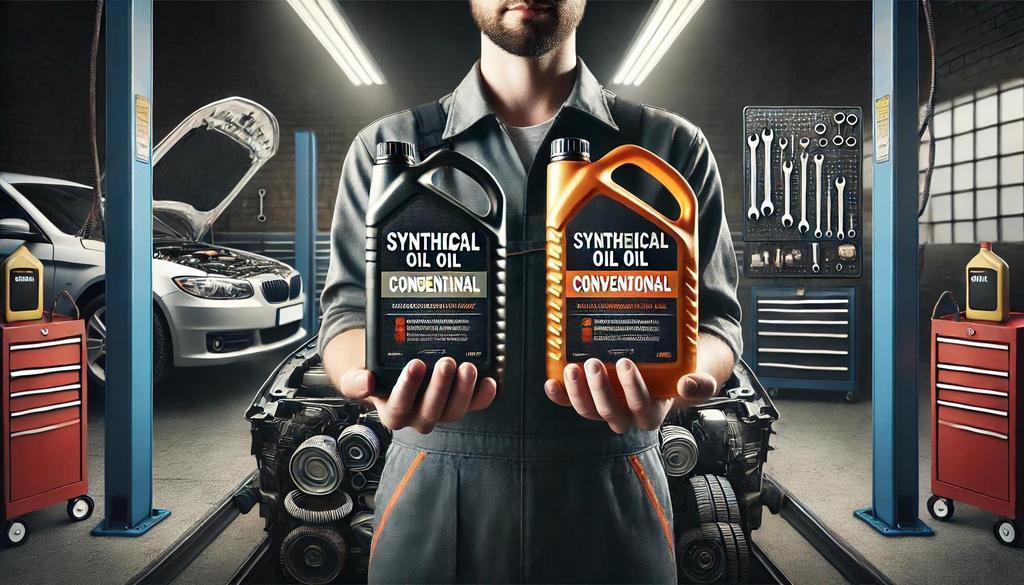
Premium synthetic oils offer superior protection and extend the intervals between oil changes in comparison to traditional oils. However, it is essential to follow the manufacturer’s guidelines to ensure optimal performance and longevity of your engine.
Synthetic oils contain additives that improve their stability and protect them from oxidation. This reduces the frequency of required oil changes. In contrast, conventional oils can degrade more rapidly due to higher levels of impurities resulting from a less refined process. While synthetic oils deliver enhanced performance and durability, they often come with a higher price tag. Therefore, it is crucial to evaluate your driving habits and conditions before making a financial commitment; this evaluation may reveal potential savings through less frequent oil changes over time.
Driving conditions significantly affect oil quality and longevity. Factors such as your driving style and environmental elements, including extreme weather, play a role in how quickly oil deteriorates. For instance, research by Consumer Reports indicates that severe driving conditions can lead to accelerated engine oil breakdown. City driving, which involves frequent stopping and starting, places more stress on both the engine and the oil compared to highway driving. Additionally, driving in sandy areas can introduce more impurities into your oil.
By understanding your driving environment and patterns, you can tailor your oil change schedule to meet your specific needs, ultimately ensuring that your engine remains adequately protected.
Breaking Down the Comparison Between Time and Mileage
Experts frequently recommend changing your oil every six months to prevent deterioration and contamination, regardless of whether you have reached the mileage limit. Over time, moisture and other impurities can accumulate in the oil, compromising its effectiveness.
When it comes to establishing a schedule for oil changes, two primary methods are commonly discussed: time-based intervals and mileage-based intervals. A time-based approach involves adhering to a regular schedule, such as changing the oil every three or six months. With the advent of modern vehicles and synthetic oils, recommended mileage intervals for oil changes can often extend up to 7,500 or even 10,000 miles.
To determine the best approach, it is essential to consider your driving habits and make necessary adjustments rather than strictly adhering to just one method. Each approach has its own benefits, and a combined strategy can create a comprehensive maintenance plan. By taking into account both the elapsed time and the distance traveled, you can strike a vehicle maintenance balance that prevents unnecessary oil changes while also protecting your engine from potential issues that can arise from extended intervals between service checks.

Juggling Between Time and Distance
Achieving an optimal maintenance routine for your vehicle requires a careful balance of time and mileage considerations. If you do not drive frequently, it is essential to prioritize time as the determining factor for oil changes. Conversely, if you tend to cover a lot of miles quickly, your focus should be on mileage.
Regular inspections are vital for monitoring your oil’s condition and overall vehicle health. To maintain this balance effectively, consider implementing a routine. For example, check your oil level and quality every month. Be vigilant for any signs of impurities or changes in color, as these can indicate the need for an oil replacement. This proactive approach allows you to identify potential issues early and enhances the overall durability of your engine.
Automakers generally provide specific recommendations for oil change intervals in the vehicle’s manual. Following these guidelines is important not only for keeping your warranty intact but also for ensuring your car operates smoothly. If you drive extensively or in demanding conditions, it may be wise to increase the frequency of oil changes, as these vehicles may experience greater wear and tear.
Neglecting these recommendations can result in voiding your warranty or causing future engine problems. Manufacturers often suggest specific oil types and change intervals designed to optimize the engine’s performance. Straying too far from these guidelines could negatively impact your vehicle’s efficiency and longevity.
Customizing Oil Change Services to Suit Your Requirements
Determining the best time to change your oil is not a straightforward decision, as it varies based on several factors. It’s essential to consider both the duration of time since your last change and the distance traveled. Additionally, your driving conditions and the type of oil you use play significant roles in maintaining your vehicle’s health and extending its lifespan.
Although regular oil changes may initially appear to be an expense, the long-term benefits are considerable. There is no universal guideline for oil changes that applies to every vehicle. Each car has unique requirements, influenced by how you drive and the conditions in which you operate it.
By customizing your oil change schedule to reflect these specific factors, you can ensure optimal performance and longevity for your vehicle. This tailored approach can significantly enhance your car’s efficiency and durability over time.

