
In the ever-evolving world of technology, few concepts provoke as much curiosity and intrigue as Web3. This new wave of internet innovation promises to reshape how we interact online, offering a world where users don’t just scroll and click but actually own pieces of the digital spaces they occupy. But what exactly is Web3, and why is it stirring a buzz as we edge closer to 2025?
I. Web3 Defined: The Next Leap in the Internet’s Evolution
To understand Web3, it’s useful to think about how the internet has evolved. The first phase, or Web1, was about reading static content—like digital brochures. Then came Web2, which brought interactivity, social networking, and e-commerce, fundamentally changing how we live and work online. Now, Web3 is on the horizon, and it’s poised to add a new dimension: ownership. But ownership here doesn’t mean just having access; it means controlling, trading, and monetizing digital assets like never before, all thanks to blockchain technology.
Blockchain, the backbone of Web3, can be thought of as a super-secure digital ledger—a place where transactions and data are recorded and stored in multiple locations at once, making them tamper-proof and transparent. With blockchain, digital assets, whether they’re currencies like Bitcoin or virtual goods in games, can be owned outright by individuals, much like owning a car or a home in the physical world.
A Spectrum of Possibilities: From Finance to Fun
As Web3 unfolds, its potential seems limitless. Finance, for instance, enables decentralized systems where money transfers can happen instantly across borders without the usual bank fees—a development that’s catching on worldwide.
Meanwhile, the gaming industry is embracing Web3 to give players true ownership of their in-game items and characters. Imagine not just playing a game for fun but also earning real money from the rare items you collect, thanks to technologies that let gamers truly own their digital possessions.
The Powerful Fusion of Web3 Technology
The fusion of blockchain and consumer technology is also evident in the devices we use every day. Companies like Solana are pioneering smartphones designed to be Web3-ready, making digital interactions more secure and decentralized right from your pocket.
In essence, Web3 represents a future where users become participants and owners in the digital economy, blurring the lines between creators and consumers. It’s an empowering vision striving for a more equitable and user-first internet. As we prepare for what 2025 might bring, understanding and engaging with Web3 could well be the key to navigating and thriving in this next chapter of the digital age.

II: Understanding Web3 in Layman’s Terms
Navigating the complex landscape of Web3 can feel like decoding a new language. Unlike the familiar internet spaces of Web1 and Web2, Web3 encompasses a shift towards decentralization, putting more control into the hands of individuals rather than centralized companies. So, what exactly does all this mean?
Definition and Fundamentals: Unpacking Web3
At its core, Web3 is an internet built on blockchain technology. Think of it as a community-driven version of the internet where users have ownership of their data and digital assets. This contrasts starkly with Web2, where giants like Facebook and Google control the flow and storage of data, often monetizing user information for profit.
Blockchain, the engine behind Web3, is akin to a digital ledger that records all transactions made with cryptocurrencies, such as Bitcoin, in a secure and transparent manner. It’s distributed across multiple devices, meaning there’s no single point of control. Essentially, this creates a network that is more democratic and secure, where the power lies with the nodes—computers that validate and store blockchain data worldwide.
Historical Context of Web3: A Journey Through Digital Evolution
Web1 introduced us to the World Wide Web, where static pages and basic hyperlinks were the norm. Web2 revolutionized connectivity with features like social media, e-commerce, and user-generated content—an internet where users became creators, but platforms retained control. Now, Web3 is taking the baton, pushing towards more autonomy and transparency in our digital interactions.
This shift towards Web3 is not an isolated phenomenon. It represents years of dissatisfaction with centralized control and the need for greater security and privacy.
Decentralization and Blockchain: The Backbone of Web3
Decentralization is the magic word in Web3, indicating a move away from central entities managing data and transactions. Instead, it leverages blockchain’s decentralized ledger, which records transactions across several computers so that user data and digital assets are secure and transparent.
While this may sound technologically intimidating, the effect is simple—no single entity controls the data, thus reducing the risk of corruption and improving accountability. It’s like everyone having a record of every transaction ever made, ensuring transparency and trust.
Security Enhancements: Leveraging Blockchain’s Inherent Trust
Security is a prominent selling point for Web3, where blockchain’s decentralized nature offers less vulnerability to hacks and data breaches. Unlike traditional systems that store sensitive data in singular servers, blockchain spreads it across multiple nodes, making it significantly harder to compromise.
Moreover, Web3 applications often employ cryptographic techniques that enhance security levels by encrypting data and ensuring that only intended recipients can access it. This paradigm is gaining traction with organizations like CertiK Ventures, which invest heavily in blockchain security innovations.
Web3 is about reclaiming control—giving power back to individuals through a decentralized, secure, and transparent internet. Understanding these foundational elements is crucial as we explore how Web3 is reshaping different industries, from finance to gaming, in subsequent sections.

III. The Trajectory of Web3 and its Impact on Industries
As Web3 technologies continue to evolve, their influence is spilling over into various industries, transforming how these sectors operate. This section explores the significant shifts and future potential of Web3 across different domains, emphasizing its game-changing impact.
Payments and Financial Services: Disrupting the Monetary World
In the financial sector, Web3 is initiating a paradigm shift by simplifying transactions and increasing transparency. Traditional financial transactions involve intermediaries—banks or firms—that can delay processes and add fees. Web3, with blockchain at its core, facilitates what’s known as decentralized finance or DeFi. This framework allows people to trade assets or currencies directly with one another, reducing costs and speeding up transactions.
One such example is the rapid growth of digital payment systems integrated with blockchain, enabling seamless cross-border payments. These systems capitalize on cryptographic security to safeguard transactions, offering a new level of protection for financial data.
Economic Impact: Shaping Future Market Dynamics
The ripple effects of Web3 are notable in economic landscapes. Supporting decentralized models empowers smaller entities and promotes competition through democratization. Projects funded by borderless capital investment, for example, are nurturing global financial environments where traditional barriers to entry no longer exist.

Transforming Gaming Experiences: A New Digital Frontier
The gaming industry is undergoing a renaissance with Web3 technologies, offering a glimpse into a future where digital assets translate into real-world value.
Introduction to Web3 Gaming:
Web3 gaming incorporates blockchain to give players ownership of in-game assets—items, characters, or even plots of land—that can be traded or sold. This contrasts with traditional gaming, where assets are owned by game developers and not the players. Platforms like Solana are pushing this forward, offering handheld devices like the Play Solana Gen1 specifically designed for gaming in a Web3 environment.
Player Ownership and Economies:
Players can now truly own and trade their digital belongings, creating new economic systems within games. For instance, games like Hamster Kombat and Forge are not just for entertainment but serve as platforms where players can earn substantial returns through gameplay.
Web3 Gaming Ecosystem:
Pixelverse and Ronin Studios are leveraging blockchain to expand gaming worlds with new levels of interaction and complexity, creating robust in-game economies and enhancing player engagement.

Networking and Mobile Innovations: Empowering Connectivity
Web3 is also pioneering changes in networking and mobile technology. By integrating blockchain into mobile devices, companies are creating secure, decentralized communication hubs.
Web3 in Mobile Technology:
With projects like Solana’s Seeker, the integration of Web3 into smartphones ensures that users have secure access to a decentralized internet directly from mobile devices. These phones are designed to support blockchain apps and currencies seamlessly, allowing for easier participation in the Web3 ecosystem.
Role of Blockchain in Telecommunications:
Platforms such as Telegram are expanding their utility beyond messaging by becoming central players in the Web3 gaming space, showcasing how communication networks can drive Web3 adoption.
Web3’s Trajectory is Clear
It is set to disrupt traditional models across various sectors, propelling industries into a more decentralized, equitable future. As we continue to delve into its implications, it is crucial to examine how these innovations translate into everyday applications for businesses and consumers alike—which will be the focus of the following sections.
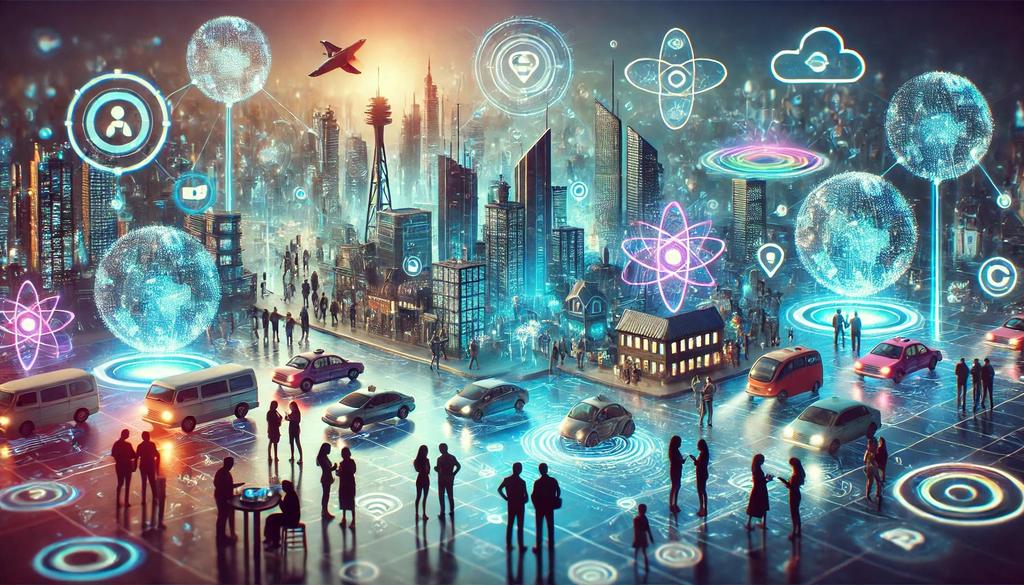
IV. Potential Future Use Cases and Innovations in Web3
Web3’s potential is as vast as the internet itself, and as the technology expands, it promises to revolutionize various fields in ways that were not possible before. Here, we explore the possible future innovations and applications of Web3 and how they could reshape industries and everyday activities.
Exploration of New Frontiers: Beyond the Known Horizons
Web3 is not just about improving existing systems; it’s about creating entirely new possibilities that blend digital and physical realities. As we march towards a more immersive digital future, areas like virtual realities, decentralized finance, and autonomous networks are set to play transformative roles.
Applications like Pixelverse’s TON-powered MMORPG dive into this immersive future by using Web3 to create intricate cyber worlds where players can own digital assets and influence the game’s economy. Similarly, networks such as Ronin are fostering game development ecosystems that leverage blockchain to create unique gaming experiences that are both engaging and economically rewarding.
Collaborations and Strategic Investments: Build Web3’s Ecosystem
A key factor driving innovation in Web3 is collaboration. Strategic partnerships between blockchain companies, gaming studios, and tech startups are flourishing as they work together to realize Web3’s potential.
For instance, Aethir’s collaboration with GameCentric aims to advance Web3 gaming infrastructures, enabling more efficient game development and scalable gaming environments. These partnerships not only enhance technological solutions but also fuel a wave of innovative business models that incorporate decentralized technologies into conventional frameworks.
Decentralized Advertising and Marketing
Web3’s decentralized nature is set to overhaul advertising and marketing, creating a space where consumers have more power over the content they see and the data they share.
Case Study: LTDToken and Shib Army:
LTDToken exemplifies how Web3 can empower advertisers and creators by decentralizing ad platforms. With Web3, advertisers can bypass traditional gatekeepers, gaining direct access to audiences in more transparent and personal ways. This not only enhances engagement but also ensures that user data remains secure and manageable.
Artificial Intelligence and Security: Safe Digital Environment
As Web3 develops, integrating with other advanced technologies like artificial intelligence (AI) is inevitable. The synergy between AI and blockchain can bring about robust security systems and innovative applications.
AI Integration and Security Measures:
Companies like CertiK are investing in security measures that pair blockchain technology with AI tools to predict, identify, and counteract potential threats. These initiatives are crucial as more people and businesses engage with decentralized systems that need protection against new kinds of digital threats.
Web3, with its boundless future applications, suggests a world abundant with opportunities across various sectors. The innovations predicted for the years ahead not only expand on what we know but push us towards a more interactive, secure, and equitable internet. In this unfolding narrative of technological advancement, it’s clear that the implications of Web3 are profound, integrating deeper into the fabric of societal functions and personal interactions.

V. Peer into The Blockchain: Boundless Potential of Web3
As we stand on the cusp of 2025, Web3 presents a tantalizing glimpse into the future of digital interaction—one defined by decentralization, enhanced security, and true ownership of digital assets. While this journey is only beginning, the potential impact of Web3 across industries is vast and varied, promising to fundamentally change how we engage with technology, entertainment, and each other.
A Future Beyond Transactions
Web3 transforms economic interactions into more than mere transactions. It paves the way for new economic systems that emphasize collaboration, transparency, and empowerment. Through decentralized finance, users gain access to financial services without the traditional strings attached—like fees or slow processing. This opens doors for global participation and financial inclusivity, allowing broader communities to participate in economic growth.
Gaming: Leading the Charge—and Imagination
The gaming industry exemplifies how Web3 can blur the lines between virtual and reality. By granting players ownership of digital goods, Web3 is reshaping what it means to game. This transformation is evident with platforms like Solana and the expansion of gaming ecosystems spearheaded by Pixelverse and Ronin, showing how vibrant digital worlds can lead to economic opportunities akin to those in the physical world.
Building a New Digital Ecosystem
As technologies like blockchain drive the next wave of mobile and network innovations, we see the foundations of a new digital ecosystem forming. This ecosystem promises increased security and privacy, where everyday devices are equipped with blockchain technologies, securing personal data while enhancing interactivity. Projects from major players like Solana Mobile reveal that this is not a distant dream but a rapidly approaching reality.
Endless Possibilities
Looking ahead, the possibilities for Web3 seem endless. As industries across the board—marketing, finance, and entertainment—steer towards decentralization, the potential for transparency and empowerment is boundless. With ongoing investments in security and innovative uses of AI, as seen with CertiK, these systems are poised to become even more integrated into daily life, leading us toward a more democratized internet.
The transition to Web3 signifies a monumental shift towards a new internet age—one that prioritizes empowerment, fairness, and collaboration. Encouraging engagement with this evolving technology could be key to harnessing its full potential, allowing individuals and businesses alike to not just witness change but be part of the digital revolution. As Web3 matures, it holds the promise of transforming our digital landscape into a world of endless possibilities where everyone has the opportunity to innovate and succeed.


