
Hydrogen vehicles, often hailed as a promising solution in the global quest for sustainable transportation, are riding on a wave of environmental enthusiasm. Conceived as an innovative alternative to traditional fossil-fuel vehicles, these cars utilize hydrogen fuel cells to power electric motors, offering the alluring prospect of zero emissions during operation. Indeed, when a hydrogen fuel cell vehicle (FCV) is in motion, its only byproduct is water vapor, contributing no pollutants to our atmosphere—a stark contrast to conventional gasoline engines that emit greenhouse gases and pollutants harmful to our environment and health.
Despite this appealing narrative, the journey of green hydrogen vehicles has been far from smooth. In the United States, attempts to roll out hydrogen technology on a large scale have encountered significant roadblocks, from economic viability issues to infrastructural challenges. While the technical premise and ecological promise of hydrogen vehicles appear straightforward, the reality on the ground is intricate—a tapestry of successes, failures, and emerging possibilities that varies drastically by region. In certain areas, like China and parts of Europe, hydrogen vehicles are gaining traction and government support, potentially paving a path toward broader adoption.
Understanding the contrasting trajectories of hydrogen technology is essential for appreciating its role in the future of transportation. By delving into the history, current status, and potential of hydrogen vehicles, this article aims to unravel the factors that have influenced their widespread adoption or lack thereof. From the early innovation stages to the present landscape of global energy policies, we explore how hydrogen cars could either become a cornerstone of a sustainable future or remain a niche player overshadowed by the electric vehicle revolution.

I. Historical Context and Technology Evolution
The Origins of Hydrogen Vehicles
The concept of hydrogen as a transportation fuel isn’t new. It has long been recognized for its potential to power vehicles through fuel cells—a technology that combines hydrogen with oxygen from the air to produce electricity. This electricity then powers the vehicle’s electric motor. As early as the 2000s, automotive industry leaders and environmentalists alike were captivated by the zero-emission potential of hydrogen vehicles. Japanese companies like Toyota, Honda, and Hyundai ventured into developing the first commercial hydrogen-powered cars driven by the allure of a clean energy future. These early efforts led to models such as the Toyota Mirai, which have seen varying degrees of commercial success across different markets.
Failures and Setbacks in the U.S. Market
Yet, for all its early promise, the hydrogen vehicle rollout in the United States faced formidable hurdles. High production costs, which stem from the advanced technology used in fuel cells and the scarcity of necessary infrastructure, have stunted growth. Building a network of hydrogen refueling stations proved to be an expensive endeavor, far beyond the capabilities of many states’ current energy infrastructures. Consequently, hydrogen vehicles have struggled to compete with electric vehicles (EVs), which benefit from a more mature charging network and lower relative costs. The situation in California serves as a poignant case study. Ambitious plans for statewide hydrogen stations have been derailed by technical issues and legal entanglements, culminating in high-profile lawsuits from dissatisfied consumers. The state’s hydrogen infrastructure lags significantly behind targets, showcasing the complexities surrounding large-scale implementations of nascent technologies.
Pathways to Innovation
Despite the challenges, innovation within hydrogen technology continues to accelerate. The focus has been on improving fuel cell efficiency, reducing production costs, and building supportive infrastructure. Beyond personal transportation, hydrogen is being touted for its potential in sectors like long-haul freight and industrial applications, where it can provide the high energy density and fast refueling times required. For these reasons, hydrogen vehicles remain in development, awaiting the right conditions—be it technological breakouts or policy support—to gain widespread acceptance.
Over the coming sections, we will explore the current global market dynamics and compare hydrogen technology with electric alternatives. We’ll delve into key regions like China and the European Union, where policy frameworks and technological enthusiasm are steadily building environments favorable to hydrogen’s growth. Could hydrogen vehicles still become a fixture in our garages and on our roads worldwide? Understanding their history is the first step to predicting their future.
II. Current Status and Market Dynamics
Hydrogen vehicles are experiencing a dynamic phase in their development, characterized by contrasting trends across different regions. While some areas, particularly North America, have seen setbacks and slow uptake, other parts of the world, like China and Europe, are steadily advancing their hydrogen agendas. Understanding these diverse market behaviors can shed light on hydrogen vehicles’ potential and the obstacles they must overcome.
Boom in Asian Markets: China’s Strategy
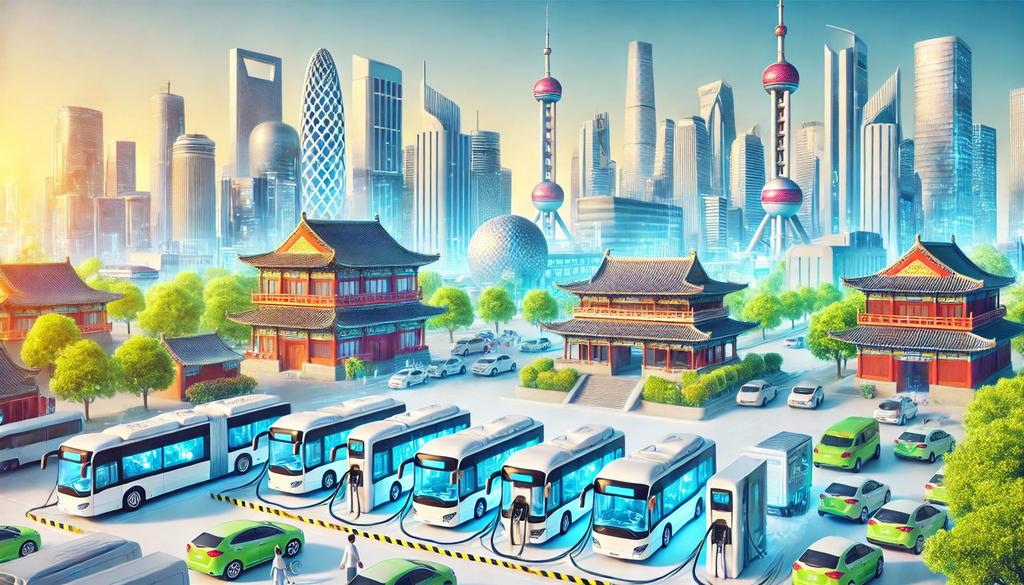
China has emerged as a front-runner in the global hydrogen race, leveraging state-driven policies and extensive infrastructure projects to support hydrogen vehicle adoption. The Chinese government has prioritized hydrogen as a crucial component of its environmental and economic strategy, spurred on by the desire to reduce reliance on fossil fuels and combat urban pollution. Recent plans aim to construct over 1,200 hydrogen refueling stations by 2025, a significant leap from the current global count.
Beijing’s strategic push is fueled by substantial subsidies and support for both vehicle manufacturers and infrastructure developers. This initiative aims to integrate hydrogen into public transportation and commercial vehicle sectors, attracting interest from local governments. Cities across China are investing heavily in hydrogen refueling networks, fueled by a broader governmental goal to decarbonize the economy and innovate within the green technology sphere.
European Initiatives and Regulatory Environment
In Europe, hydrogen vehicles are gaining traction as part of a larger transition towards sustainable transport systems. The European Union has embraced hydrogen technology, primarily focusing on its potential for heavy-duty transport, industry decarbonization, and grid flexibility. This strategic interest is evident in the EU’s broader green energy policies, encouraging investments in hydrogen production from renewable sources.
The EU’s backing of hydrogen is not solely a legislative action. Numerous collaborations and projects are underway to establish a hydrogen economy that complements existing electric vehicle infrastructure. In countries like Germany, hydrogen fuel is considered a crucial element in national energy strategies aimed at hard-to-electrify sectors, providing both technology transfer and economic partnership opportunities across member states.
North America’s Varied Landscape
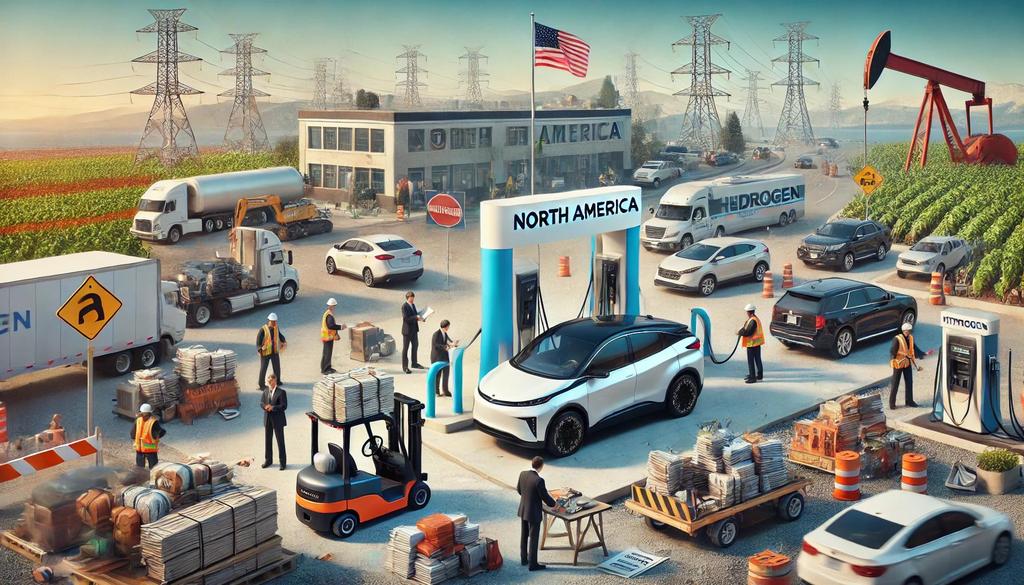
In North America, the landscape for hydrogen vehicles is more fragmented. The United States has seen a slower adoption rate, with many states grappling with the logistics of infrastructure and market demand. While California and some northeastern states have made strides toward supporting hydrogen as an alternative fuel, the scale and pace have not matched ambitious targets.
Conversely, Canada’s approach highlights potential pathways for hydrogen’s future role. The Canadian government has implemented a strategic framework, issuing the “Hydrogen Strategy for Canada,” which envisions a robust hydrogen economy contributing to national and global environmental goals. This strategy positions Canada favorably with projects targeting hydrogen production for domestic use and export, underpinned by provincial initiatives and international collaborations.
Canada’s dedication to fostering hydrogen technology extends beyond policymaking, involving active development of regional hydrogen hubs. These hubs aim to create interconnected networks of production and consumption, facilitating industrial utilization and transportation integration within parts of British Columbia, Alberta, and Ontario, among others.
Overall Market Trends
Globally, the automotive industry remains cautiously optimistic about hydrogen’s potential. Significant technological advancements, governmental incentives, and the increasing cost-effectiveness of hydrogen production from renewable sources are slowly but steadily establishing a market for these vehicles. However, major automakers continue to balance their hydrogen investments with efforts in battery electric vehicle (EV) technology, keeping an eye on evolving consumer preferences and policy landscapes.

III. Technological and Environmental Considerations
As the race towards sustainable transportation heats up, hydrogen vehicles have a critical role to play, especially when assessed through the lenses of technology and environmental impact. These vehicles are often compared with electric vehicles (EVs), which are their most significant competitors in the zero-emission arena. To make an informed judgment about hydrogen fuel cell vehicles (FCVs), it’s important to explore how they work and their environmental implications.
Hydrogen Vehicles vs. Electric Vehicles
Hydrogen vehicles operate using fuel cells that combine hydrogen gas with oxygen from the air to generate electricity. This electricity then powers an electric motor, and the only emission from this process is water vapor, making them extremely clean in terms of air pollutants. One of the significant advantages of hydrogen vehicles is their ability to refuel quickly and drive longer distances on a full tank compared to many battery-electric vehicles. This aspect makes them particularly appealing for long-haul transportation and heavy-duty applications.
However, there are distinct challenges. The production of hydrogen itself can sometimes be less environmentally friendly. Often, hydrogen is produced using natural gas in a process that releases carbon dioxide unless carbon capture technologies are applied. The ideal goal is to move towards “green hydrogen,” which is produced via water electrolysis powered by renewable energy sources such as wind or solar power. This progression is crucial for hydrogen to maintain its appeal as a truly green alternative.
Comparatively, electric vehicles rely on electricity stored in batteries, which can be charged from any electric source. While they are also clean steps away from fossil fuels, their environmental footprint largely hinges on the electricity’s source—whether predominantly renewable or fossil-based. Additionally, battery production itself involves significant resource extraction, potentially limiting environmental benefits if not handled sustainably.
Challenges with Infrastructure Development
Developing the infrastructure needed to support hydrogen vehicles is one of the most significant hurdles within the automotive industry. Building hydrogen refueling stations is expensive and complex, demanding substantial initial investments and coherent governmental policy frameworks.
Despite this, certain regions, notably in Europe and Asia, are committing to infrastructural growth driven by strategic national initiatives and international partnerships. China leads the charge with comprehensive plans to expand its hydrogen refueling network dramatically, aiming for both local decarbonization and to position itself as a leader in global hydrogen production and usage.
As the world progresses towards climate goals, the ability of hydrogen technology to complement other sustainable solutions, such as battery electric vehicles, becomes increasingly apparent. Yet, the pace and nature of this transition rest heavily on ongoing advancements and policy support.

IV. Future Prospects and Strategic Initiatives
Looking ahead, hydrogen vehicles stand on the cusp of wider acceptance and integration into global transport systems. However, this potential depends significantly on strategic initiatives, policy backing, and technological advancements that lower production costs and improve overall vehicle efficiency.
Growth Projections
Forecasts predict substantial growth for hydrogen vehicles, expecting over 1 million hydrogen-powered cars globally by 2027, as mass adoption becomes more feasible. This anticipated growth rests upon continued reductions in the cost of fuel cells and improvements in hydrogen infrastructure. Cost-efficient production of green hydrogen remains a key goal, enabling the formation of a truly sustainable supply chain from production to consumption.
The Role of Global Policy and Innovation
Countries and regions worldwide are leveraging policy to drive hydrogen forward as a clean energy source. In Europe, robust regulatory frameworks emphasize the integration of hydrogen technology to achieve climate targets, particularly in sectors less suited to electrification alone, such as industrial processes and aviation.
Meanwhile, countries like Canada are investing in hydrogen hubs—strategically located zones of hydrogen production and consumption that signal a positive step towards establishing a comprehensive hydrogen economy. These hubs allow for regional expertise and resources to be shared, incubating new hydrogen technologies and fostering industry collaborations.
Vision for a Sustainable Hydrogen Economy
The future of hydrogen hinges on the establishment of a sustainable economy where hydrogen production aligns seamlessly with renewable energy sources. Ambitions include international cooperative efforts where innovations in hydrogen utilization can help decarbonize economies worldwide, covering transportation, industrial production, and energy storage.
By embracing these strategic pathways, hydrogen vehicles can diversify the global approach to clean transportation. They offer an indispensable component of the broader mix needed to reduce carbon footprints effectively and sustainably.

Future of Hydrogen Vehicles: Strategic Innovation and Policy
As we conclude our exploration into hydrogen vehicles, it’s evident that their role in the future of transportation is contingent upon overcoming challenges and seizing opportunities across technological, political, and environmental arenas. As such, the journey of hydrogen vehicles is a story of potential—a potential that extends beyond the roads to a cleaner, more efficient future for transportation worldwide.
Hydrogen vehicles represent a fascinating intersection of ambition and reality in the journey toward a sustainable future. Offered as a potential solution to the environmental challenges posed by traditional automobiles, hydrogen-powered vehicles have the enticing promise of clean energy, emitting only water vapor in operation. Yet, realizing widespread adoption involves navigating a complex landscape of technological hurdles, infrastructural demands, and market dynamics.
Diverging Paths: Regional Advancements and Setbacks
The varied trajectory of hydrogen vehicles globally underscores how success in one region might elude others. In the U.S., infrastructural challenges and high costs have been major deterrents, limiting the expansion of hydrogen refueling stations and, consequently, consumer interest. Legal disputes and service gaps, as seen in states like California, highlight the infrastructural and operational barriers that developers must overcome.
Conversely, countries like China are demonstrating how robust government support and strategic policy-making can create fertile grounds for hydrogen’s success. By heavily investing in infrastructure and aligning national goals with environmental imperatives, China leads global efforts in hydrogen vehicle adoption. Similarly, the European Union’s regulatory environment nurtures innovation, setting noteworthy standards to integrate hydrogen in the industrial and transportation sectors.
Harnessing Green Hydrogen and Innovation for Global Sustainability
As the world grapples with climate change, the dialogue around energy transition emphasizes the need for versatile solutions. Hydrogen vehicles, in conjunction with electric vehicles, can strategically diversify the clean transportation options available to consumers, markets, and governments alike.
Future progress depends on continuous international collaboration and innovation. By investing in green hydrogen production—generated using renewable energy—and refining fuel cell technology, stakeholders will lay a foundation for hydrogen’s wider economic and environmental contributions. Canada’s establishment of hydrogen hubs, aiming to streamline production and consumption networks, represents a proactive approach to preparing for a hydrogen-powered future.
Hydrogen vehicles’ path will require overcoming extant challenges, from high production costs to the need for extensive infrastructure. Yet, the potential payoffs—a reduction in greenhouse gases, energy security, and industrial innovations—remain powerful motivators for ongoing research and development. As the narrative continues to unfold, hydrogen vehicles may well become a cornerstone in our collective quest for a cleaner, more sustainable mode of transportation.
Thus, the road ahead for hydrogen may be long and winding, but the journey holds the promise of striking a balance between technological possibility and ecological necessity—a venture worth every mile traveled.


